
Vegetables
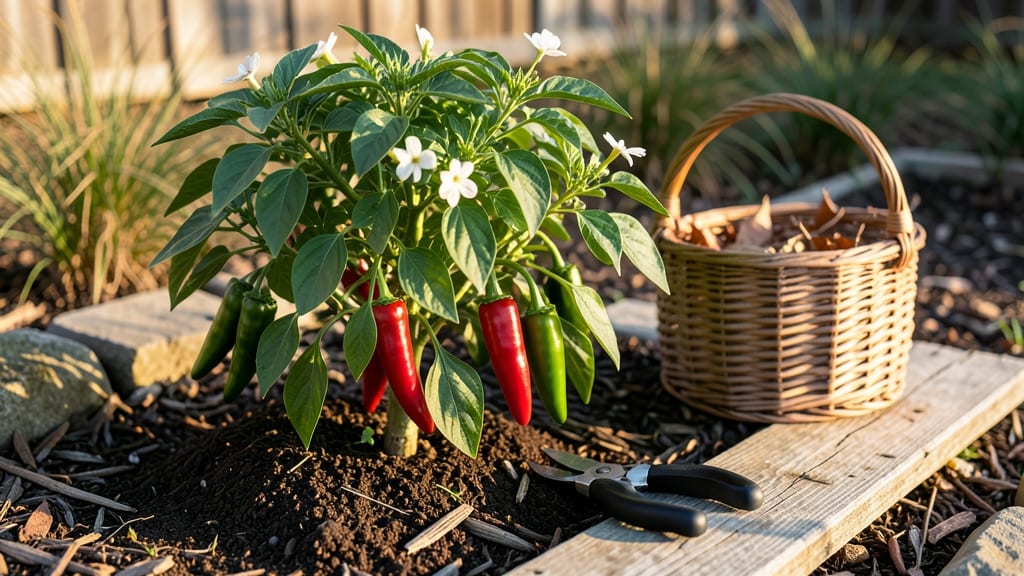
Red jalapeños aren't a separate variety—they're the same peppers you'd normally see green, just allowed to ripen fully. 🌶️ The color shift happens when chlorophyll breaks down and carotenoids take over, which also softens the heat slightly while adding natural sweetness.
Many gardeners and chefs prefer waiting for this stage because the flavor becomes more complex, almost like a cross between a jalapeño and a mild bell pepper.
What's interesting is how this affects cooking—red jalapeños work beautifully in salsas or sauces where you want depth without overwhelming heat. I've found they pair especially well with tomatoes and onions, creating a balanced flavor profile that green jalapeños can't match.
The key is patience: letting them ripen on the plant longer gives you that perfect red hue and improved taste.
💡 In This Article
- How Jalapeño Pepper Color Changes Affect Flavor and Heat
- Best Ways to Grow and Harvest Red Jalapeño Peppers
How jalapeño pepper color changes affect flavor and heat
The vibrant red color in jalapeños isn't just visual—it's a biological transformation. When green jalapeños ripen fully, chlorophyll (the green pigment) breaks down while carotenoids (orange-red pigments) develop. This shift occurs naturally as the pepper matures on the plant, typically after about 75-90 days from transplanting, depending on growing conditions.
The process is similar to how tomatoes turn from green to red, but in peppers, it creates a sweeter, almost fruity undertone that green peppers lack.
Scientifically, this color change correlates with sugar accumulation. Red jalapeños contain about 15-20% more natural sugars than their green counterparts, which is why they taste sweeter while maintaining the same heat level (2,500–8,000 SHU on the Scoville scale).
The capsaicin—the compound responsible for heat—actually remains stable, but the increased sugar content creates a more balanced flavor profile. Think of it like comparing a green apple to a ripe red one: the red version has more complex flavors without losing its signature tang.
What most people don't realize is how this ripening process affects texture too. Red jalapeños develop slightly softer, more tender flesh due to cell wall breakdown during maturation.
This makes them ideal for applications where you want the pepper to blend smoothly—like in salsas or sauces—rather than hold its shape when roasted. 🌶️ The difference is noticeable when you compare raw green jalapeños (firm, crisp) to fully ripened red ones (yielding, almost velvety).
Temperature plays a subtle role too. Green jalapeños often require slightly higher heat (375°F) to release their oils and develop full flavor, while red jalapeños can shine at 350°F where their natural sweetness becomes more pronounced.
This is why many professional chefs prefer red jalapeños for dishes where you want heat without bitterness—like stuffed peppers or marinades. The ripening process essentially "mellows" the pepper's edge while enhancing its depth.
There's also a cultural aspect to this color change. In Mexican cuisine, red jalapeños are often preferred for traditional dishes like salsa roja because their sweeter profile complements tomatoes and other ingredients.
The red hue also signals to home gardeners that the pepper is at peak ripeness—ready to harvest for maximum flavor.
What's fascinating is that this color shift happens in all jalapeño varieties, from classic green to purple or even black jalapeños—it's purely about allowing the pepper to mature fully on the plant.