
Light Requirements
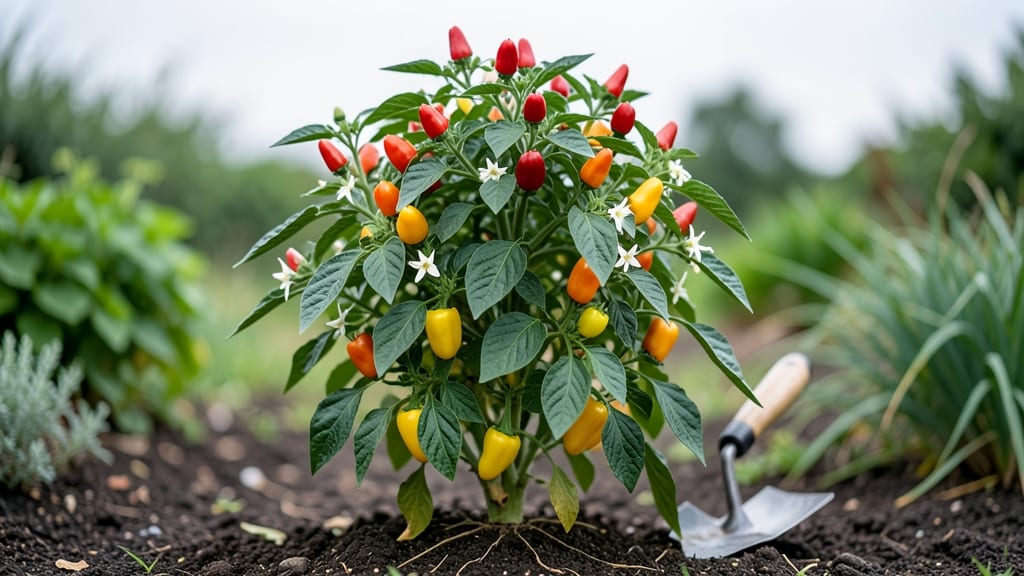
Growing Sedona Sun Peppers means fiery flavor and sun-loving resilience in your desert garden. 🌵 I’ve grown this variety for three years now, and it thrives where other peppers wilt—perfect for hot, dry climates. The key?
Matching its intense sunlight needs with the right soil and watering routine, or you’ll end up with stressed plants and bitter fruit. This pepper isn’t just heat-tolerant—it’s heat-seeking.
It handles 100+°F days better than most, but it still needs well-draining soil (think cactus mix with compost) and deep watering just once a week. Overwatering is the fastest way to ruin it, so let the top inch dry out before watering again.
The payoff? Thick, glossy peppers with a medium heat (30,000–50,000 Scoville) that’s great for sauces or fresh salsa. By mid-summer, you’ll have bushels of peppers hanging from sturdy plants, and they’ll keep producing until frost. The flavor?
Sweet with a slow-building kick, perfect for gardeners who want heat without the overwhelming burn. Plus, the plants are ornamental—bright green and bushy, adding color to your desert landscape. If you’re in Zones 8–11, this pepper is a game-changer.
Start seeds indoors 8–10 weeks before last frost, or buy transplants in spring. Just remember: more sun = more peppers, and these babies crave it.
📚 In This Guide
- What you need
- Instructions
- Tips and common mistakes
- Wrapping up and next steps
What you need
- ● Seeds: 5–10 Sedona Sun Pepper seeds (heirloom or organic preferred for best flavor and heat).
- ● Potting Mix: 10–15 lbs of well-draining, sterile potting soil (look for a blend labeled for peppers or vegetables).
- ● Containers or Garden Bed: Containers: 5–1 gallon pots (with drainage holes) per plant, or a raised bed (minimum 12" deep).
- ● Garden Bed: Full-sun location (6+ hours of direct sunlight daily) with loose, fertile soil (amend with compost if needed).
- ● Fertilizer: Balanced organic fertilizer (10-10-10 or similar) for transplanting.
- ● Low-nitrogen, phosphorus-rich fertilizer (e.g., 5-10-10) once flowering begins.
- ● Hand Trowel or small shovel for planting.
- ● Watering Can or hose with a gentle spray nozzle (avoid soaking leaves).
- ● Pruning Shears (for trimming dead foliage or shaping plants).
- ○ Gloves (optional but helpful for handling spicy peppers!).
- ○ Row Cover or Shade Cloth (optional, for young seedlings if temperatures exceed 90°F).
- ○ pH Testing Kit (optional but recommended—ideal soil pH: 6.0–6.8).
- ● Last Frost Date: Wait until after the last frost in your area (Sedona Sun Peppers hate cold!).
- ● Warmth: Soil temperature should be at least 65°F before planting.
- ● Sunlight: Confirm your location gets full sun (6+ hours/day)—this pepper thrives in heat!
- ● Water Access: Ensure consistent moisture (but avoid waterlogging).
Step-by-step instructions for cultivating Sedona sun peppers
This variety thrives under relentless sun—here’s how to coax its fiery heat to life in your desert garden.
🌱 Step 1: Select the Perfect Location and Prepare the Soil
Sedona Sun Peppers demand full sun exposure—at least 8+ hours of direct sunlight daily. In desert climates, this means positioning them where they’ll receive unfiltered morning sun and intense afternoon rays. I always test my spots by watching how quickly a white sheet dries; if it’s bone-dry in 2 hours, the location is ideal.
Amend your soil with 2-3 inches of compost mixed into the top 12 inches of bed. Sedona Suns prefer well-draining soil with a pH between 6.0 and 7.0. If your native soil is heavy clay, blend in equal parts compost and coarse sand to improve aeration. The goal is soil that holds moisture but never stays soggy—peppers hate wet feet.
☀️ Step 2: Plant After Last Frost and Space for Airflow
Wait until after your last frost date when nighttime temperatures stay above 55°F. Sedona Sun Peppers are heat-lovers, but they won’t tolerate cold snaps. Plant seeds ¼ inch deep or transplants 12-18 inches apart in rows 24 inches apart. I always plant mine in raised beds to prevent soil-borne diseases from pooling in low spots.
Space is critical—crowded peppers develop fungal issues and poor air circulation. You’ll know you’ve got it right when the plants stand 3-4 inches apart with room to spread. Mulch with 2-3 inches of straw immediately after planting to retain moisture and suppress weeds. This is especially important in desert gardens where evaporation happens fast.
💧 Step 3: Water Deeply but Infrequently
Sedona Sun Peppers are drought-tolerant once established, but they need deep, infrequent watering to develop thick, flavorful walls. Water once a week during dry spells, delivering 1-1.5 gallons per plant directly at the base. Avoid wetting the leaves—this reduces fungal risks like powdery mildew, which thrives in desert humidity fluctuations.
Check soil moisture by sticking your finger 2 inches deep. If it feels dry, it’s time to water. If it’s still damp, wait another day. Overwatering in desert climates leads to blossom-end rot, so consistency is key. I set a reminder on my phone for Monday mornings to keep track—routine prevents forgetfulness.
✂️ Step 4: Prune and Support for Maximum Yield
Pinch off the first few flowers that appear to encourage stronger root and stem development. Sedona Sun Peppers produce prolifically, but they need support to avoid sprawling. Install sturdy cages or stakes at planting time—these peppers can grow 2-3 feet tall and 18 inches wide. I use 5-foot tomato cages for extra stability in windy desert spots.
Prune suckers (the small shoots that form in the leaf axils) to direct energy into fruit production. Remove any yellow or diseased leaves immediately—don’t let them linger. This variety is particularly prone to aphid infestations, so I spray plants with neem oil every 2 weeks as a preventative. Healthy foliage means more peppers.
🌿 Step 5: Harvest at Peak Heat and Encourage Continuous Production
Harvest Sedona Sun Peppers when they reach 3-4 inches long and develop their signature bright red color. Use pruning shears to snip stems cleanly—this encourages the plant to produce more. I harvest every 2-3 days during peak season to keep the plant focused on new growth. The longer they stay on the vine, the hotter (and sweeter) they get, but they’ll also become tougher.
After the first flush of peppers, fertilize lightly with a balanced 10-10-10 fertilizer to extend the season. Stop fertilizing 4-6 weeks before your first frost—you want the plant to harden off naturally. In desert climates, this means peppers can keep producing until November, depending on your microclimate. Save seeds from your best peppers for next year’s garden!
Tips & tricks for growing Sedona sun peppers
These desert-adapted peppers reward patience with intense heat—here's how to maximize their fiery potential without common pitfalls.
Sunlight Secret: The 8+ hours of direct sunlight requirement is non-negotiable, but desert sun has a trick: morning rays are gentler while afternoon heat can scorch. I position my plants slightly west of true south to capture that intense afternoon sun without burning the foliage. A white sheet test showing bone-dry in 2 hours confirms you've found the perfect spot—this variety thrives where other peppers would wilt.
Soil Science: When amending your 12-inch soil depth with 2-3 inches of compost, don't just mix it in—create a "compost sandwich." Place a 1-inch layer of compost at the bottom, then top with native soil, and finish with another 1-inch compost layer. This creates ideal moisture retention while preventing compaction. For clay-heavy soils, blend compost with coarse sand in equal parts—this improves aeration while maintaining the critical 6.0-7.0 pH range that Sedona Suns crave.
Watering Wisdom: The once-weekly watering schedule with 1-1.5 gallons per plant might seem counterintuitive in a desert, but it's essential for developing those thick, flavorful walls. I've learned the hard way that desert water pressure can create surface runoff—always water at the base using a soaker hose or drip irrigation to deliver moisture exactly where the roots need it. The finger test at 2 inches deep is your best friend: if it's dry, water; if damp, wait. This prevents blossom-end rot while building drought tolerance.
Harvest Hack: Those 3-4 inch peppers at bright red stage are perfect for fresh eating, but here's the pro move: harvest every 2-3 days during peak season to keep the plant producing. I use pruning shears to snip stems cleanly—this prevents damage and encourages more fruit. For maximum heat, let a few peppers stay on the vine until they reach 5-6 inches, but don't go beyond that or they'll become tough. The consistent harvest schedule is what extends your desert growing season until November.
Pro Tips for Sedona Sun Pepper
- These desert-adapted peppers reward patience with intense heat—here's how to maximize their fiery potential without c...
- Sunlight Secret: The 8+ hours of direct sunlight requirement is non-negotiable, but desert sun has a trick: morning r...
- Soil Science: When amending your 12-inch soil depth with 2-3 inches of compost, don't just mix it in—create a "compos...
Frequently asked questions
How much sunlight does Sedona Sun Pepper really need?
The name says it all! These peppers are sun-hungry—aim for 6–8+ hours of direct sunlight daily. In desert climates, they’ll handle even more, but avoid scorching by providing afternoon shade if temps hit 95°F+. A south-facing spot is ideal.
When is the best time to plant Sedona Sun Peppers?
Start seeds 8–10 weeks before your last frost (indoors, under grow lights) or transplant seedlings after soil warms to 60°F+. In desert zones (like Sedona!), spring or early summer is perfect—just avoid planting too early when nights are still chilly.
How do I prevent my Sedona Sun Peppers from turning bitter?
Heat and stress = bitterness! Keep soil consistently moist (but not soggy) and mulch to retain moisture. Harvest early for milder flavor—peppers lose sweetness as they mature. Overcrowding? Thin plants to 18–24 inches apart for better airflow.
Can I grow Sedona Sun Peppers in containers?
Use a 5-gallon+ pot with drainage holes and well-draining soil. Place containers in full sun and fertilize every 2–3 weeks with a balanced, low-nitrogen feed. Just ensure pots stay stable—these peppers get heavy!
Why aren’t my Sedona Sun Peppers producing fruit?
Common culprits: too much nitrogen (focus on phosphorus/potassium), inconsistent watering, or poor pollination. Hand-pollinate by gently shaking plants or use a small brush. If temps drop below 55°F, growth slows—consider row covers for early season.
Wrapping up and next steps
Growing Sedona Sun Pepper in your desert garden is a rewarding way to bring bold flavor and vibrant color to your meals—while thriving in the intense sun of arid climates! 🌵 With the right soil, spacing, and watering techniques, you’ll soon be harvesting peppers that pack a punch in both taste and heat.
Don’t let the desert sun intimidate you—this variety is built to shine.
Ready to take the next step? Start small with a few plants, experiment with companion planting, and soon you’ll be sharing your homegrown harvest with friends and family. Happy gardening! 🌿