
Picking
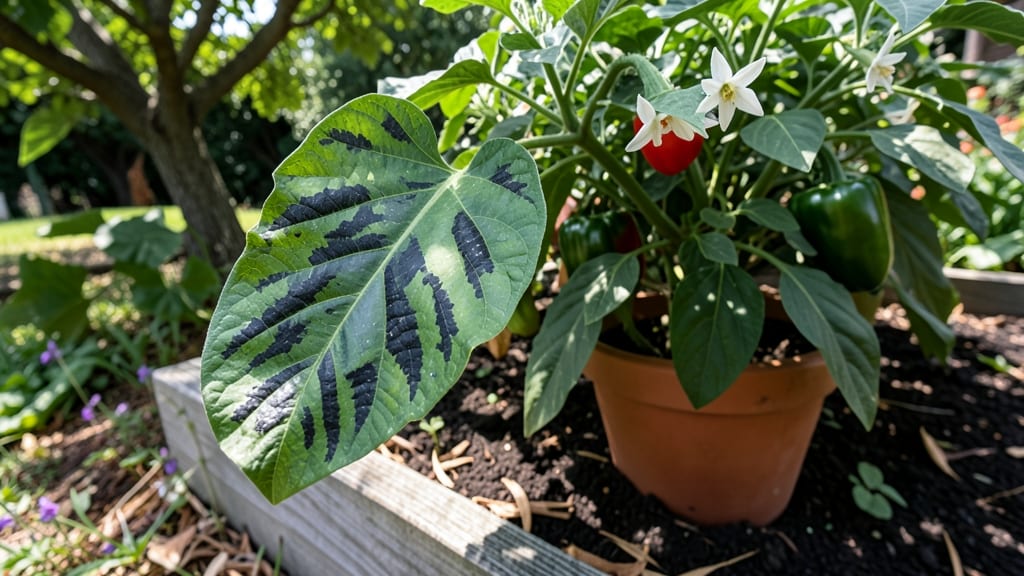
Black streaks on peppers can turn a promising harvest into a frustrating mess. 🌶️ I’ve watched my prized bell peppers develop unsightly spots that ruin both looks and flavor—until I learned the root causes and how to stop them before they spread.
The good news? Most cases are fixable with simple, organic methods that keep your plants thriving.
These streaks usually appear as dark, water-soaked spots on leaves or fruit, often caused by bacterial spot or fungal infections like anthracnose. Environmental stress—like poor airflow, overwatering, or sudden temperature swings—can also trigger the problem.
The key is acting fast: removing infected plant parts and improving growing conditions can save your entire crop before it’s too late.
You’ll learn how to identify the exact issue (yes, there’s a difference between bacterial and fungal spots), plus foolproof organic treatments that work without harsh chemicals. Pruning properly, adjusting watering habits, and adding mulch can make all the difference in preventing future outbreaks.
By the end, your peppers will look—and taste—perfect again.
This works for all pepper varieties, whether you’re growing in containers, raised beds, or in-ground gardens. The solutions are beginner-friendly but effective for seasoned gardeners too. Let’s get those plants back on track!
Root Causes Of Pepper Discoloration
Black streaks or spots on peppers aren’t just cosmetic—they’re often a sign that your plants are struggling. Understanding the why behind these blemishes is the first step to fixing them.
Below, we break down the most common culprits, from environmental stressors to hidden pests, with science-backed explanations to help you diagnose and act fast.
Peppers are tropical plants at heart, and they hate sudden temperature swings. When nights dip below 50°F (10°C) or days soar above 90°F (32°C), your peppers go into shock.
This stress triggers the production of phenolic compounds, dark pigments that create those unsightly black streaks—especially on the fruit’s skin.
🔍 How to spot it:
- Streaks appear after a cold snap or heatwave.
- New growth may look puckered or distorted.
- Leaves might yellow at the edges (a sign of stress).
💡 Fix it:
- Use row covers or mulch to moderate soil temps.
- Provide afternoon shade in hot climates (use shade cloth or dappled shade from trees).
- Water deeply in the morning to cool roots and prevent heat shock.
Peppers need consistent moisture, but too much water is a recipe for disaster. When roots sit in soggy soil, they struggle to absorb oxygen, leading to anaerobic conditions. This triggers fungal infections (like Phytophthora) and bacterial soft rot, which cause black, sunken streaks or spots on the fruit.
🔍 How to spot it:
- Black streaks are often sunken and may ooze a foul-smelling liquid.
- Leaves turn yellow and wilt even when soil is wet.
- Roots look mushy or rotten if you gently dig near the base.
💡 Fix it:
- Let the top 1–2 inches of soil dry out between waterings.
- Improve drainage by amending soil with perlite, sand, or compost.
- Use raised beds or containers if your garden has heavy clay.
- Water at the base of the plant (not overhead) to reduce fungal splash.
Not all black streaks are environmental—some are invaders. Pests like aphids, spider mites, and pepper maggots inject toxins or create wounds that trigger dark discoloration. Worse, fungal diseases (such as Alternaria or anthracnose) thrive in humid conditions, leaving behind black, velvety spots that spread rapidly.
🔍 How to spot it:
- Aphids: Black streaks paired with sticky residue (honeydew) and curled leaves.
- Spider mites: Tiny yellow dots on leaves + webbing.
- Fungal spots: Dark streaks with raised edges or powdery mold.
- Pepper maggots: Small holes in fruit that turn black and mushy.
💡 Fix it:
- Pests: Spray with neem oil or insecticidal soap. Introduce ladybugs or predatory mites for natural control.
- Fungus: Remove infected fruit immediately and treat with copper fungicide or baking soda spray (1 tsp baking soda + 1 quart water + a drop of soap).
- Prevent future issues: Rotate crops yearly and avoid overhead watering.
Peppers are heavy feeders, and when their diet is off, they show it. Too much nitrogen leads to lush but weak growth, while calcium or magnesium deficiencies cause dark, corky streaks—especially on young fruit. Even salty soil (from over-fertilizing or poor-quality water) can burn pepper skins, creating blackened patches.
🔍 How to spot it:
- Black streaks on young peppers (calcium deficiency).
- Leaves yellow between veins (magnesium deficiency).
- White crust on soil surface (excess salt).
- Peppers crack or deform as they grow.
💡 Fix it:
- Do a soil test to check pH (ideal: 6.0–6.8) and nutrient levels.
- Add crushed eggshells or calcium nitrate for calcium-deficient plants.
- Flush soil with rainwater if it’s too salty (avoid tap water with high minerals).
- Use a balanced fertilizer (like 10-10-10) and avoid high-nitrogen amendments.
Now that you know the why, the next step is preventing these issues before they ruin your harvest. Each of these problems has a solution—so don’t let black streaks steal your peppers’ shine!
Fixing Black Streaks on Peppers
Got those mysterious black streaks ruining your pepper harvest? Don’t toss them just yet! With the right fixes and a little garden TLC, you can bring your peppers back to their vibrant, streak-free glory.
Below, we’ve mapped out practical solutions tailored to the most common causes—plus prevention tips to keep future harvests flawless.
---
If your peppers are sporting dark, fuzzy, or sunken streaks, a fungal infection (like anthracnose or Alternaria) is likely the villain. Here’s how to tackle it:
#### 🍳 Step 1: Prune and Remove Infected Peppers - 🔪 Snip off any peppers with black streaks immediately—don’t compost them! Toss them in the trash to prevent spores from spreading. - 🌿 Trim affected leaves (especially lower ones) to improve airflow. Fungi thrive in damp, crowded spaces.
#### 👨🍳 Step 2: Apply Fungicide - 💡 Organic option: Spray with a copper fungicide (like Bordeaux mixture) or a neem oil solution (1 tsp neem oil + 1 tsp mild soap per quart of water).
Reapply every 7–10 days until new growth is healthy. - 💊 Chemical option: Use a fungicide containing chlorothalonil or mancozeb (follow label instructions). For severe cases, rotate products to avoid resistance.
#### ⏰ Step 3: Adjust Watering Habits - 🌡️ Water at the base (not overhead) to keep foliage dry. Wet leaves = fungal playground. - 🎯 Space waterings to 1–2 inches per week (check soil moisture—don’t let it stay soggy).
#### 🌱 Prevention Tips - ✨ Rotate crops—don’t plant peppers (or tomatoes/eggplants) in the same spot yearly. - 💪 Strengthen plants with balanced fertilizer (10-10-10) to boost resistance. - 🍃 Mulch with straw to reduce soil splashes onto leaves.
---
If streaks appear only on sun-exposed sides (especially on red or ripe peppers), sun scorch is the likely cause. These aren’t true black streaks but heat damage—here’s how to fix it:
#### 🍳 Step 1: Provide Shade - 🌿 Use shade cloth (30–50%) if temps regularly hit 90°F+. Secure it 3–4 feet above plants to avoid trapping heat. - 🏡 Plant near taller crops (like corn or sunflowers) to offer natural shade in the afternoon.
#### 👨🍳 Step 2: Water Deeply in Heatwaves - 💦 Water early morning (before 10 AM) to help plants transpire (release heat) and stay cool. - 🌡️ Mulch with reflective material (like white plastic or straw) to reduce soil heat.
#### ⏰ Step 3: Harvest Early - 🍅 Pick peppers when they’re still green or half-ripe if extreme heat is forecast. They’ll ripen indoors faster and avoid scorch.
#### 🌱 Prevention Tips - 🎯 Choose heat-tolerant varieties like ‘Carolina Wonder’ (bell peppers) or ‘Jalapeño M’ for hot climates. - 💪 Avoid fertilizing during heatwaves—focus on water and shade instead.
---
If streaks look ragged or appear after handling, you might’ve accidentally bruised or scratched the peppers. Here’s how to minimize damage:
#### 🍳 Step 1: Handle Peppers Gently - 🍅 Use both hands when picking—grip the pepper and stem to avoid tearing. - 🥘 Store in a single layer in containers to prevent rubbing.
#### 👨🍳 Step 2: Speed Up Healing - 💡 Place damaged peppers in a cool, dry spot (60–70°F) to prevent rot. - 🌱 Spray with a diluted hydrogen peroxide solution (1 tsp per cup of water) to disinfect minor cuts.
#### ⏰ Step 3: Avoid Overcrowding - 🌿 Thin plants so peppers aren’t jostling against each other in the garden.
#### 🌱 Prevention Tips - ✨ Harvest in the morning when peppers are firm and less prone to bruising. - 💪 Use soft containers (like mesh bags) for storage.
--- If your peppers are already too far gone, don’t waste them! 🍳 Cook them into: - 🌶️ Salsas (blend with tomatoes and spices to hide streaks). - 🥘 Pickled peppers (vinegar kills fungi and preserves flavor). - 🍕 Stuffed peppers (remove streaked skin before filling).
--- 🎯 Key Takeaway: Most black streaks are fixable with proactive care—whether it’s fungicide, shade, or gentler handling. Act fast, and your next pepper harvest will be streak-free and stunning! 🌱✨
Frequently asked questions
Are black streaks on peppers always a sign of disease?
Not necessarily! While fungal infections like anthracnose often cause black, velvety streaks, other culprits include sun scorch (heat damage on exposed sides), physical bruising from handling, or even nutrient deficiencies like calcium or magnesium. Always check for accompanying symptoms—like oozing liquid (fungus) or streaks only on sun-facing sides (scorch).
Can I still eat peppers with black streaks?
It depends! If the streaks are from sun scorch or minor bruising, the pepper is usually safe to eat—just trim away the affected areas. However, if the black spots are fungal (like anthracnose) or ooze liquid, toss them immediately. For questionable peppers, cook them into salsas or pickles where the streaks will blend in.
How do I know if my peppers have a fungal infection vs. sun damage?
Fungal spots (like anthracnose) often appear as raised, velvety black streaks that may ooze or spread rapidly, especially in humid conditions. Sun scorch, however, shows up as dull, dry black patches only on sun-exposed sides of ripe peppers. Check the underside of leaves—fungus thrives there, while scorch only affects exposed surfaces.
Will pruning infected leaves help stop the spread?
Pruning removes the source of fungal spores and improves airflow, which is critical for preventing spread. Always use sterilized shears and dispose of infected plant parts in the trash (not compost). For severe cases, prune 20% of the plant’s foliage to redirect energy to healthy growth.
Can I prevent black streaks without chemicals?
Yes! Focus on preventive care: water at the base (not overhead), mulch with straw to reduce soil splash, and use neem oil or baking soda spray (1 tsp baking soda + 1 quart water) as a proactive fungicide. Also, ensure 6–8 hours of sunlight and avoid overcrowding—both reduce stress and fungal risks.