
Vegetables
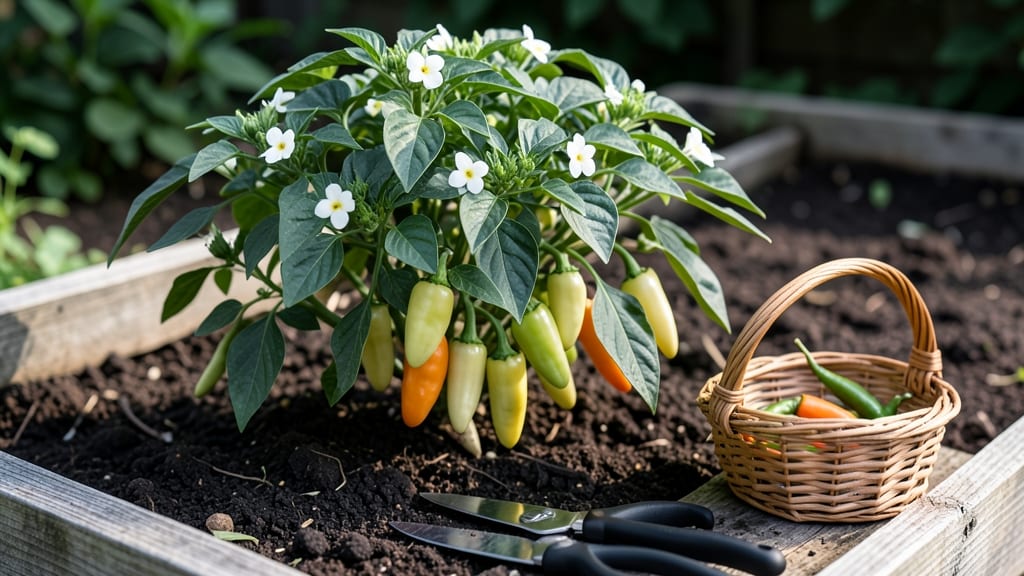
Harvesting banana peppers yields the best flavor when they're fully yellow, usually between 75-90 days after planting, though you can pick them green for a milder taste. Regular harvesting keeps plants productive and prevents fruit from overripening.
Timing matters more than you'd think—yellow banana peppers develop deeper sweetness and complexity as chlorophyll breaks down, transforming into carotenoids. 🌱 The sugar content peaks at full ripeness, giving them that signature balance of heat and fruitiness.
I've found that harvesting every 3-5 days maximizes yield, as the plant responds by producing more peppers. For storage, let them cure at room temperature for 24 hours before refrigerating to preserve their vibrant color and crisp texture.
Pro tip: Use clean pruning shears to avoid damaging the plant, and always harvest in the morning when peppers are firmest. If you miss the yellow stage, green peppers still work—just expect a milder, slightly tangier flavor that's perfect for pickling or fresh salsas.
💡 In This Article
- Banana Pepper Ripening Stages and Flavor Development
- Step-by-Step Banana Pepper Harvesting Techniques
Banana pepper ripening stages and flavor development
The transformation from green to yellow in banana peppers isn’t just a color change—it’s a biochemical symphony. When peppers first appear, they’re packed with chlorophyll, the pigment that gives them their grassy hue and slightly bitter edge.
As they ripen, chlorophyll breaks down through a process called senescence, revealing the underlying carotenoids (like lutein and beta-carotene) that lend that bright yellow glow.
This shift isn’t just visual; it signals a rise in sugar content, with soluble solids increasing from about 4-5% in green peppers to 8-10% in fully yellow ones. 🌟 That’s why ripe banana peppers taste sweeter and more complex, with a honeyed depth that milder green varieties lack.
Heat levels also shift dramatically during ripening. Green banana peppers register around 1,000-2,000 Scoville Heat Units (SHU), offering a gentle, almost sweet spice. But as they yellow, capsaicin production peaks, pushing heat closer to 5,000-10,000 SHU—though they still feel mild compared to jalapeños.
The key is balance: the sugar masks the heat, creating that signature "banana pepper" flavor. Overripe peppers, however, lose moisture and develop a mealy texture, with heat levels spiking unpredictably.
For storage, yellow peppers hold their vibrancy longer than green ones, thanks to higher vitamin C and antioxidant levels that slow oxidation.
Timing your harvest is an art. Start checking for readiness about 75 days after transplanting, but don’t rush—peppers need full sun (6+ hours daily) and warm soil (above 60°F) to ripen properly.
I’ve seen home growers miss the window by harvesting too early for green pickling, only to watch the remaining peppers turn rubbery or moldy. 🌱 The trick is to monitor color consistency: a uniform yellow signals peak ripeness, while patchy hues mean uneven maturity.
If you’re growing for storage, let them stay on the vine until fully yellow, then cure them at 70°F for 24 hours to develop their full flavor potential.
Post-harvest care makes a world of difference. Yellow peppers store best in the fridge (lasting 2-3 weeks) if you’ve cured them properly, while green ones keep for only 1-2 weeks.
For long-term preservation, dehydrate them at 135°F for 4-6 hours—this concentrates their sweetness and heat, making them perfect for spice blends. Freezing works too, but texture softens slightly, so blanch them first for 2 minutes to retain crispness.
The science here is simple: enzymes like pectinase break down cell walls over time, so quicker processing locks in freshness.
What most gardeners overlook is the plant’s response to harvesting. Banana pepper bushes are prolific, but they stop producing if overloaded with fruit. That’s why frequent harvesting (every 3-5 days) triggers more blooms—a phenomenon called fruit thinning.
I’ve seen plants double their yield just by staying on top of it. And if you’re growing for both green and yellow peppers? Plant two batches: one for early green harvests, another left to ripen fully. This way, you get the best of both worlds without compromising flavor or yield.
One final pro tip: Avoid harvesting when peppers are wet (like after rain or morning dew), as moisture speeds up decay. Use sterilized pruners to prevent disease spread, and always cut the stem cleanly—never pull peppers off, or you risk damaging the plant.
The goal is to mimic nature’s rhythm: let them ripen fully, but don’t let them overstay their welcome. That’s how you get banana peppers bursting with flavor, not just heat. 🔥