
Picking
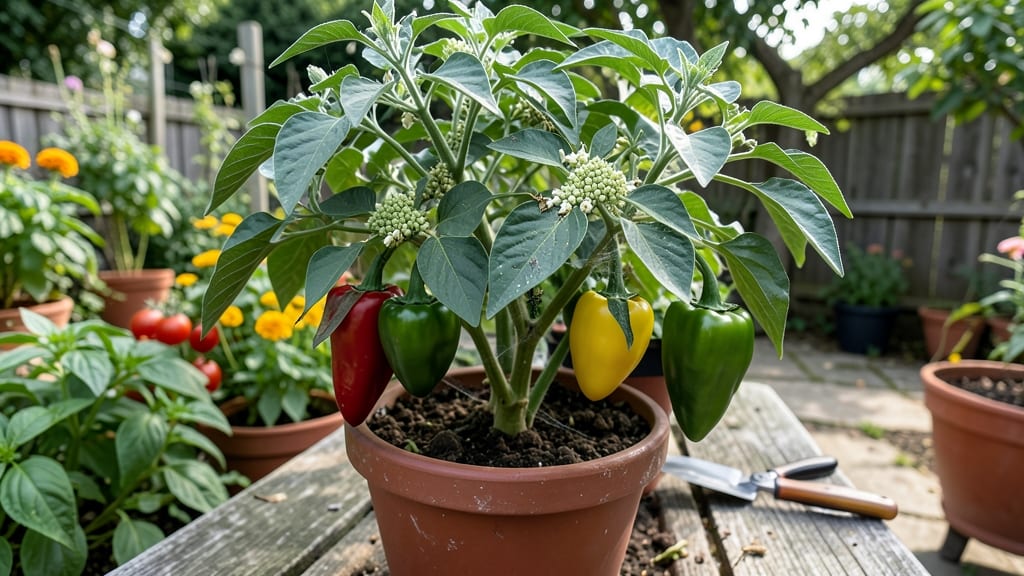
Bell pepper pests turn a thriving garden into a battleground—aphids sucking leaves, hornworms stripping plants overnight, and spider mites leaving silvery webs. 🌱 I’ve lost entire harvests to these critters, but I’ve also saved crops using simple, effective sprays that work without harsh chemicals.
The key is acting fast when you spot the first signs: chewed leaves, sticky residue, or tiny moving dots on stems.
Most problems start with weak plants—overcrowded, underfed, or stressed by drought. Healthy peppers bounce back faster, but when pests strike, neem oil and soapy water sprays are my go-to first line of defense.
A quick weekly spray keeps aphids and mites at bay, while Bt (Bacillus thuringiensis) targets hornworms before they become monsters. The best part? These solutions work in 10-14 days if applied correctly.
You’ll notice the difference immediately: fewer holes in leaves, no more sticky honeydew drips, and plants that keep growing instead of fighting for survival. The secret is consistency—check plants every 2-3 days during outbreaks and remove heavily damaged foliage to stop the spread.
Once you master these sprays, your peppers will thrive without a single chemical spray.
Works for greenhouses, containers, or in-ground gardens—just adjust the spray volume for the plant size. Here’s how to mix and apply them like a pro, so your peppers stay pest-free all season.
Root Causes of Pepper Problems
Bell peppers may seem like hardy plants, but they’re far from pest-proof. Understanding why these critters target your garden is the first step to stopping them. Below, we break down the science behind the most common invaders—and why they’re drawn to your peppers like a buffet.
Pests thrive where plants are stressed or packed too tightly. Bell peppers left too close together create a cozy, humid microclimate—perfect for:
- Fungal gnats & aphids: These tiny insects love moist soil and dense foliage, where they can hide and multiply undetected. Why? Poor air circulation traps moisture, creating ideal breeding grounds for their larvae and eggs.
- Whiteflies: They flock to undersides of leaves in crowded gardens because the shade reduces natural predators (like ladybugs) and increases humidity—both of which they adore.
- Root-knot nematodes: These microscopic worms attack stressed roots, which happen when plants compete for nutrients in overcrowded beds.
💡 Pro Tip: Space peppers 18–24 inches apart and prune lower leaves to improve airflow. Healthy plants = fewer pest snacks!
When bell peppers lack key nutrients, their defenses weaken, making them prime targets. Here’s how deficiencies play into pest problems:
| Nutrient Deficiency | Pest Response | Why It Happens |
|---|---|---|
| Nitrogen (Yellowing leaves) | Aphids, spider mites | Soft, nitrogen-rich leaves are aphids’ favorite food. Spider mites also prefer stressed plants with reduced chlorophyll. |
| Phosphorus (Purple stems) | Root maggots, cutworms | Weak root systems struggle to fend off soil-dwelling pests like maggots, which chew on tender roots. |
| Potassium (Brown leaf edges) | Blossom end rot (indirectly attracts pests) | Potassium-deficient peppers develop weak cell walls, making them more susceptible to fungal infections—like powdery mildew—which then attract insects. |
💡 Pro Tip: Test your soil and amend with compost or a balanced organic fertilizer (like 5-5-5) to keep peppers robust. A well-fed plant fights back!
Pests don’t just appear out of nowhere—they’re lured by specific weather conditions. Here’s how climate factors create pest hotspots:
- High humidity (60%+):
- Encourages fungal gnats and whiteflies by keeping soil and leaves damp.
- Promotes powdery mildew, which attracts spider mites (they feed on the fungus).
- Hot, dry spells:
- Stresses peppers, making them more vulnerable to aphids and hornworms.
- Dry soil repels beneficial insects (like ground beetles), leaving pests unchecked.
- Cool nights + warm days:
- Ideal for corn earworm moths, which lay eggs on pepper flowers when temperatures hover in the 70s–80s°F.
💡 Pro Tip: Use row covers in early season to deter flying pests, and mulch to stabilize soil moisture—consistency is key!
Pests like aphids and whiteflies don’t just show up—they thrive when their natural enemies vanish. Common reasons for predator decline:
- Pesticide overuse: Even "organic" sprays can kill ladybugs, lacewings, and parasitic wasps, which hunt pests like hornworms.
- Monoculture gardening: Planting only peppers (or other nightshades) starves predator species that need diverse food sources.
- Lack of habitat: No flower borders or wild areas? Beneficial insects have nowhere to nest or overwinter.
💡 Pro Tip: Plant companion flowers (like marigolds or dill) to attract predators. Let nature do the dirty work!
Quick Fixes for Common Pepper Problems
Bell pepper pests and diseases can feel like a never-ending battle, but with the right approach, you can restore your plants to full health—and even prevent future outbreaks.
Below, we’ve mapped out targeted solutions for the most common issues, from aphids and spider mites to bacterial spots and fungal infections. Each fix is organic, effective, and easy to implement, so you can get back to enjoying your harvest without harsh chemicals.
---
Aphids, whiteflies, and mealybugs suck sap, weaken plants, and spread viruses.
✅ Fix It: 1. Blast Them Off 💦 - How: Use a strong stream of water (from a hose or spray bottle) to dislodge aphids from leaves and stems. - When: Early morning or late evening (avoid midday sun stress). - Pro Tip: Repeat every 2–3 days until they’re gone. 🌱
2. Soap & Neem Oil Spray 🧼🌿 - Mix: 1 tbsp mild liquid soap (like Castile) + 1 tbsp neem oil + 1 quart water. - Spray: Coat all leaf surfaces (especially undersides where pests hide). - Reapply: Every 5–7 days or after rain.
3. Introduce Beneficial Bugs 🐞🦋 - Ladybugs, lacewings, and parasitic wasps eat aphids naturally. - How: Buy them online or from garden centers and release them at dusk.
💡 Prevention: - Plant companion crops like marigolds, basil, or garlic to repel pests. - Encourage diversity—monocultures attract more bugs.
---
Tiny but destructive, these pests thrive in hot, dry conditions and leave stippled leaves.
✅ Fix It: 1. Increase Humidity & Reduce Heat 🌧️💧 - How: Mist plants daily (especially in dry climates) or use a shade cloth to block intense sun. - Bonus: Spider mites hate humidity—this slows their spread.
2. Neem Oil or Horticultural Oil 🌿🛡️ - Mix: 1 tbsp neem oil + 1 tsp dish soap + 1 quart water. - Spray: Focus on undersides of leaves where mites hide. - Reapply: Every 3–5 days until no more webbing is visible.
3. Predatory Mites to the Rescue 🕸️🐝 - How: Release persimmon or amblyseius mites (sold at garden stores). - When: Early morning or late evening for best results.
💡 Prevention: - Water deeply and consistently—drought stress attracts mites. - Prune yellowing leaves to reduce hiding spots.
---
White powder, brown spots, or mushy stems? Fungi love moisture and poor airflow.
✅ Fix It: 1. Improve Air Circulation 🌬️🌿 - How: Space plants 12–18 inches apart and prune crowded foliage. - Bonus: Use trellises for bushier varieties to keep leaves dry.
2. Baking Soda Spray (Preventative) 🧂🛡️ - Mix: 1 tbsp baking soda + 1 tsp soapy water + 1 quart water. - Spray: Every 7–10 days (especially before rain). - Why? Raises leaf pH, making it harder for fungi to latch on.
3. Copper Fungicide (For Severe Cases) 🛡️💪 - How: Use an organic copper spray (like Copper Soap) as directed. - When: At first sign of spots—fungi spread fast! - Caution: Avoid spraying in direct sun (can burn leaves).
💡 Prevention: - Water at the base (never overhead) to keep leaves dry. - Remove infected leaves immediately and compost separately (don’t reuse in garden).
---
Dark spots, yellowing, or curled leaves? Bacteria thrive in wet conditions.
✅ Fix It: 1. Copper-Based Bactericide 🛡️💧 - How: Use copper hydroxide or copper sulfate (follow label instructions). - When: At first sign of symptoms—bacteria spreads via water splashes. - Pro Tip: Spray every 7–10 days during wet seasons.
2. Prune & Sterilize Tools ⚔️🔥 - How: Cut out infected leaves/stems and dispose of them (do not compost). - Sterilize pruners with rubbing alcohol between cuts.
3. Crop Rotation & Soil Health 🌱💪 - How: Plant non-pepper crops (like beans or lettuce) in the same spot next season. - Boost soil with compost and mycorrhizal fungi to strengthen plant immunity.
💡 Prevention: - Space plants properly for airflow. - Avoid overhead watering—use drip irrigation instead.
--- Want to keep pests away before they start? Try these low-effort, high-impact strategies:
- 🌿 Interplant with herbs (basil, cilantro, dill) to confuse pests. - 🌡️ Mulch with straw or grass clippings to deter soil-dwelling bugs. - ⏰ Plant at the right time—late spring/early summer avoids peak pest seasons. - 🎯 Inspect new plants before bringing them home (quarantine for a week if needed).
--- Final Thought: Most pepper pests can be beaten with consistency—early action is key! Once your plants bounce back, they’ll be stronger and more resilient against future attacks. 🚀
(Need a spray recipe? Check out our DIY Organic Pest Control Guide next!)
Frequently asked questions
What are the first signs of bell pepper pests?
Look for tiny moving dots on leaves (aphids), chewed holes in foliage (hornworms), or silvery webbing (spider mites). Sticky residue on leaves means aphids or whiteflies are feeding. Check undersides of leaves first—pests love hiding there!
How often should I spray organic pest solutions?
For prevention, spray neem oil or soapy water every 7-10 days. During outbreaks, increase to every 3-5 days until pests disappear. Always apply in the early morning or evening to avoid burning leaves in direct sun.
Can I use store-bought insecticides on bell peppers?
Check labels carefully—some insecticides contain chemicals harmful to edible plants. Opt for organic-certified sprays like pyrethrin-based products or Bt (Bacillus thuringiensis) for caterpillars. Always follow application rates to avoid plant damage.
Why do some organic sprays stop working after a few uses?
Pests often develop resistance to single treatments. Rotate between neem oil, soapy water, and beneficial insect sprays to prevent this. Also, ensure you're covering all leaf surfaces—many pests hide on undersides where sprays don't reach.
How do I know if my pepper plants are too crowded?
Crowded plants have leaves touching each other and poor airflow between stems. Ideal spacing is 18-24 inches apart. You'll also notice more pest problems (like fungal gnats) in overcrowded areas due to trapped moisture.