
Planting
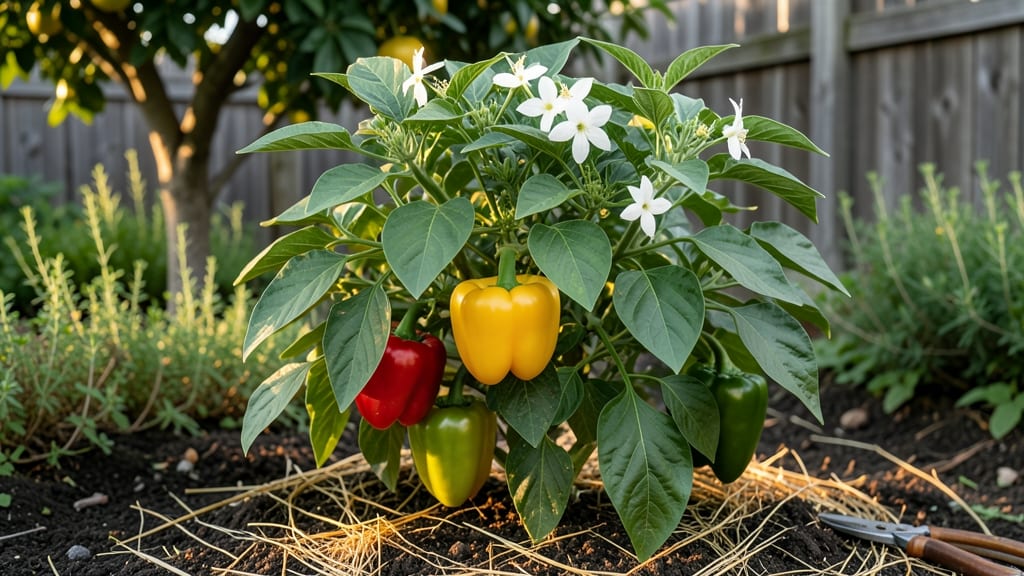
Bell peppers grow anywhere from 18 inches for compact varieties to 4 feet for sprawling types—knowing your plant’s mature size saves you from overcrowding or wasted space. 🌱 I learned this the hard way when my first garden had peppers fighting for sunlight, stunting their growth.
The right spacing means healthier plants, bigger yields, and easier harvesting. Compact varieties like 'Snackable' or 'Lunchbox' thrive in 5-gallon containers, while larger types like 'California Wonder' need 24-inch spacing in-ground.
Prune suckers (those little shoots in the leaf axils) to direct energy upward, and trellis tall varieties to save space and improve air circulation. This keeps peppers upright, reduces disease risk, and makes picking easier.
You’ll notice a difference in just a few weeks: plants with proper support grow straighter, produce more fruit, and resist pests better. The key is matching variety to space—whether you’re working with a balcony container or a backyard plot.
Even in small gardens, the right setup lets you grow more peppers in less room. For beginners, start with dwarf or bush types—they’re forgiving and produce well even with minimal fuss. If you’re experimenting with larger varieties, plan for 3-4 feet of vertical space or ground area. The payoff?
A harvest that keeps coming all season long.
📚 In This Guide
- What you need
- Instructions
- Tips and common mistakes
- Wrapping up and next steps
What you need
- ● Bell Pepper Seeds or Seedlings: Choose variety-specific seeds (e.g., 'California Wonder' for compact growth, 'Jupiter' for larger plants).
- ● Quantity: 4–6 seeds (or seedlings) per plant, depending on space.
- ● Growing Containers or Garden Bed: Containers: 12–18" deep pots (minimum 12" diameter) for dwarf varieties; 18–24" for larger types.
- ● Garden Bed: Full sun (6–8+ hours/day), well-draining soil with pH 6.0–6.8.
- ● High-Quality Potting Mix or Soil: 1–2 bags (18–24 qt) of organic, well-draining mix (add perlite or compost for aeration).
- ● Fertilizer: Balanced fertilizer (10-10-10) or compost for organic growth.
- ● Slow-release granules or liquid feed (follow package rates).
- ○ Support Structures (Optional but Recommended): Cages or Trellises: 3–5 ft tall for indeterminate varieties (e.g., 'Monarch').
- ● Stakes or Tomato Cages: 2–3 ft for compact types (e.g., 'Sweet Banana').
- ● Hand Trowel or Transplant Spade (for planting/seeding).
- ● Watering Can or Hose with Nozzle (gentle watering avoids root damage).
- ● Pruning Shears (for trimming excess foliage or dead leaves).
- ● Mulch (Straw or Wood Chips) (retains moisture, suppresses weeds).
- ○ pH Test Kit (optional but helpful for soil adjustments).
- ● Gloves & Sun Hat (for comfort during outdoor work!).
Understanding bell pepper plant size: how varieties grow and when to provide support
Here's how to match your growing space to pepper varieties—and when to add stakes or cages.
🌱 Step 1: Identify Your Pepper Variety's Mature Height
Standard bell peppers typically reach 3-4 feet tall at maturity, with bushy growth habits that spread 2-3 feet wide. Compact varieties like 'Snackable' or 'Mini Bell' max out at 2-3 feet, making them ideal for containers or small gardens. Meanwhile, indeterminate types (like 'California Wonder') can grow 4-5 feet tall and require more space.
Check your seed packet or plant tag for height estimates—this tells you whether you'll need cages, stakes, or trellises. I always plant taller varieties along fences or in corners where they won't crowd smaller plants. The key is spacing: 18-24 inches apart for standard types, 12-18 inches for compact ones.
☀️ Step 2: Plan Support Structures Based on Growth Habit
Bell peppers are self-supporting early on, but their weight and fruit load eventually require reinforcement. For standard varieties, install 5-foot cages or bamboo stakes at planting time—you'll see why when the first peppers form. I use 5-gallon fabric cages for my 'Jalapeño' plants; they're sturdy enough to hold 20+ peppers without bending.
For indeterminate types, opt for tall trellises or tomato cages (6+ feet). Watch the plant's first true leaves—this is when roots establish and you can gently tie stems to supports with soft plant ties. The moment you see flowers appear, that's your cue to check support stability. Peppers are heavy, and a snapped stem mid-season is heartbreaking.
🪴 Step 3: Adjust Spacing for Airflow and Sunlight
Proper spacing isn't just about size—it's about preventing disease. Compact varieties need 12-18 inches between plants to allow airflow, while taller types should have 24-36 inches of clearance. Crowding leads to powdery mildew or blossom end rot, two problems no one wants to fight.
Here's the trick: Plant in a grid pattern. For example, if you're growing 'Sweet Banana' peppers (3 feet tall), space them 2 feet apart in rows 3 feet apart. This creates a sunlight canopy where all plants get equal exposure. You'll notice the difference when peppers ripen evenly—no green shoulders from shaded sides.
✂️ Step 4: Prune for Compact Growth (When Needed)
Most bell peppers don't need pruning, but overly leggy varieties benefit from selective trimming. Pinch off suckers (the small shoots forming in leaf axils) to direct energy to fruit production. I only prune if a plant exceeds its expected height by 12 inches—this keeps growth manageable without sacrificing yield.
The best time to prune is early morning when plants are hydrated. Use sterilized scissors to cut just above a leaf node, and avoid removing more than 20% of the plant's foliage. You'll see faster ripening and fewer pests when you keep plants open and airy. Just don't overdo it—peppers need leaves for photosynthesis!
⏰ Step 5: Monitor Growth and Adjust Support as Needed
Check plants weekly after flowering begins. If stems sag under fruit weight or lean toward the sun, reinforce supports immediately. I've had 6-foot 'Monarch' peppers topple when I delayed adding extra stakes—now I carry 3-foot wooden dowels in my gardening bag as backup.
Look for yellowing leaves or stunted growth as signs of stress. These often mean the plant is root-bound or needs more phosphorus-rich fertilizer. Adjust support systems before peppers reach half their mature size—once they're heavy, it's too late. A little prevention saves a lot of heartache later.
Tips & tricks for perfect bell pepper plant support
Matching your garden setup to your pepper varieties saves headaches—and broken stems—later. Here's how to get it right from the start.
Variety-Specific Support: The 3-4 foot height range for standard bell peppers means you'll need sturdy 5-foot cages or bamboo stakes from planting day. For indeterminate types reaching 4-5 feet, invest in tall trellises or tomato cages now—you won't regret it when those pepper loads come in. I've seen 'California Wonder' plants snap under their own weight when I waited too long to reinforce them.
Root Establishment Timing: The first true leaves signal when roots have anchored enough to safely tie plants to supports. This is also when you should check for any early signs of legginess—if stems are already stretching toward light, it's time to adjust spacing or add temporary support. I use soft plant ties at this stage to avoid damaging tender stems, and always secure them loosely enough to allow for growth.
Pruning Precision: When pruning overly leggy varieties, focus on removing suckers that appear in leaf axils—these compete with fruit production. The 12-inch height threshold mentioned in Step 4 is your guide: if a plant exceeds this beyond its expected mature height, it's time to trim. I've found that pruning in early morning prevents stress on the plant, and always use sterilized scissors to avoid introducing diseases.
Stress Signals: Yellowing leaves or stunted growth after flowering begins are your plant's SOS signals. These often indicate either root-bound conditions or phosphorus deficiency. Before peppers reach half their mature size, check your support systems—this is when they'll need reinforcement most. I keep 3-foot wooden dowels handy for emergency support, especially for taller varieties like 'Monarch' peppers that can reach 6 feet.
Pro Tips for Bell Pepper Plant Size
- Matching your garden setup to your pepper varieties saves headaches—and broken stems—later.
- Variety-Specific Support: The 3-4 foot height range for standard bell peppers means you'll need sturdy 5-foot cages or bamboo stakes from planting day.
- Root Establishment Timing: The first true leaves signal when roots have anchored enough to safely tie plants to supports.
Frequently asked questions
Got questions about growing bell peppers? You’re not alone! Here are answers to the most common queries about bell pepper plant size, care, and troubleshooting—so you can grow a thriving garden with confidence.
How big do bell pepper plants typically grow?
Most bell pepper plants reach 18–36 inches tall and spread 12–24 inches wide, depending on the variety. Dwarf varieties (like ‘Snackable’ or ‘Lunchbox’) stay under 12 inches, while standard types (e.g., ‘California Wonder’) can hit 3 feet. Bush varieties are compact, while vining types may need trellising for support.
When do bell peppers reach full size?
Bell pepper plants take 60–90 days to reach full maturity, but their structural size (height/spread) stabilizes in 4–6 weeks after transplanting. Flowers appear around 60 days, and peppers form shortly after. Patience pays off—rushing support (like cages) too early can stunt growth.
Do bell peppers need staking or cages?
Most varieties benefit from support, especially as they bear fruit. Use cages (5–6 feet tall), stakes, or trellises to prevent sprawling and disease. Heavy pepper varieties (like ‘Jupiter’) may need extra reinforcement. Pro tip: Install supports early (when plants are 6–8 inches tall) to avoid disturbing roots later.
Why is my bell pepper plant staying small or leggy?
Leggy or stunted growth often signals lack of sunlight, overcrowding, or poor soil. Ensure plants get 6–8 hours of sun daily and space them 12–18 inches apart. Amend soil with compost and use a balanced fertilizer (10-10-10) at planting and when flowers appear. Yellow leaves? Check for nitrogen deficiency or overwatering.
Can I grow bell peppers in containers? What size pot do they need?
Yes! Bell peppers thrive in 5-gallon pots or larger (minimum 12–18 inches deep). Dwarf varieties work well in 3–5 gallon containers, but standard types need deeper roots. Use well-draining soil, fertilize regularly, and place pots in full sun. Warning: Container plants dry out faster—water when the top inch of soil is dry.
Wrapping up and next steps
Understanding the bell pepper plant size and support needs is key to a thriving garden! Whether you're growing compact Sweet Banana varieties or towering California Wonder plants, proper spacing and care ensure a bountiful harvest.
With the right knowledge, you’re well on your way to enjoying homegrown peppers that are big, healthy, and delicious.
Ready to get growing? Start by choosing the perfect variety for your space and climate, then give your plants the love—and support—they deserve! 🌱✨