
Advice
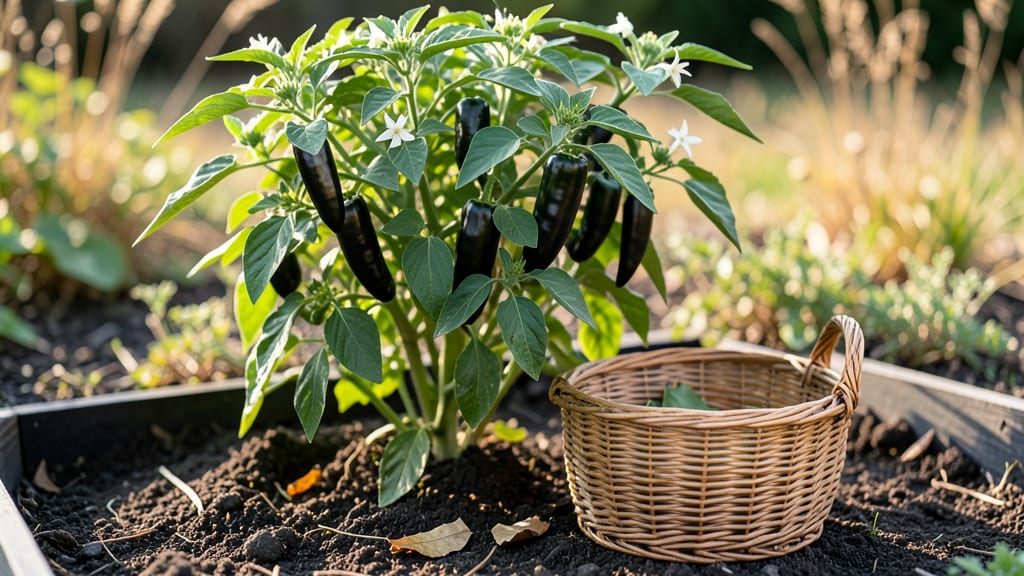
The Black Cobra pepper measures 1,400,000–2,200,000 Scoville units, ranking as one of the world’s hottest peppers—far milder than Carolina Reaper but with a lingering, fruity heat and smoky finish that sets it apart from other extreme peppers.
The Black Cobra pepper's heat level sits between the Ghost Pepper and Carolina Reaper on the Scoville scale, making it a standout for those seeking intense but balanced flavor. 🔥 Unlike purely fiery peppers, its smoky undertones and subtle sweetness create a complex heat that lingers without overwhelming.
This unique profile makes it a favorite among chefs who want to add depth to dishes without relying solely on capsaicin's sharp bite.
What sets the Black Cobra apart is its ability to deliver serious heat while maintaining a refined taste. Many extreme peppers lose nuance at this heat level, but the Black Cobra's fruity and slightly smoky notes provide a sophisticated edge.
This makes it ideal for sauces, marinades, or even hot sauces where you want heat to complement rather than dominate.
💡 In This Article
- How Black Cobra Pepper’s Heat Compares to Other Extreme Peppers
- Growing and Using Black Cobra Pepper for Culinary Heat
How Black Cobra pepper’s heat compares to other extreme peppers
The Black Cobra pepper’s heat isn’t just about raw numbers—it’s about how capsaicin interacts with your senses. While it registers between 1,400,000–2,200,000 Scoville units, its heat profile differs from other extreme peppers due to its unique chemical makeup.
Unlike the Carolina Reaper (2,200,000+ SHU), which delivers a sharp, lingering burn, the Black Cobra balances heat with fruity and smoky undertones. This duality comes from its capsaicin distribution and additional compounds like capsaicin analogs (like dihydrocapsaicin), which create a more layered heat experience.
To put this into perspective, the Black Cobra’s heat intensity is roughly 100 times hotter than a jalapeño but far more complex. The Ghost Pepper (855,000–1,041,427 SHU) offers a smoother burn, while the Habanero (100,000–350,000 SHU) delivers a citrusy, fruity heat without the depth.
What makes the Black Cobra stand out is its smoky finish, a trait inherited from its parent varieties (like the Ghost Pepper and a hybrid strain). This smokiness lingers on the palate, almost like a faint char, which is rare in peppers at this heat level. 🔥
The key to understanding its heat lies in its capsaicin concentration and the presence of other compounds. While the Carolina Reaper’s heat is concentrated in the stem and veins, the Black Cobra distributes capsaicin more evenly across its flesh and seeds.
This means every bite delivers a consistent burn, rather than a sudden, overwhelming surge. For chefs, this makes it easier to control heat in dishes—you can finely chop it and disperse it evenly without risking a single bite that’s unbearably hot.
Sensory-wise, the Black Cobra’s heat builds gradually, starting with a fruity sweetness that quickly gives way to a smoky warmth before the capsaicin kicks in. This progression is why it’s often described as "complex" for a pepper at this heat level.
Compare this to a Habanero, which hits you with immediate citrusy sharpness, or a Ghost Pepper, which delivers a slow-building, almost numbing heat. The Black Cobra’s profile is closer to a well-balanced chili sauce—intense but layered.
This makes it a favorite for sauces, marinades, and even cocktails where you want heat to enhance, not overpower.
For those experimenting with heat, the Black Cobra’s Scoville range is also notable. A pepper at the lower end (1,400,000 SHU) might feel like a mild Carolina Reaper, while one at the higher end (2,200,000 SHU) could rival it in intensity.
The variation depends on growing conditions, ripeness, and even the specific plant. This unpredictability is why many growers and chefs prefer to test peppers individually—what you assume is a "medium" Black Cobra might surprise you with a full-on fiery punch. ✨
If you’re curious about how to use this heat effectively, consider pairing the Black Cobra with milder, sweeter peppers like bell peppers or even pineapple. The sweetness helps counteract the capsaicin’s bite, creating a harmonious balance.
For example, a salsa made with Black Cobra, mango, and red onion will have a fruity depth that the heat can’t overpower. This is the Black Cobra’s true magic—it’s not just about the burn; it’s about how that burn interacts with other flavors.