
Companion Plants
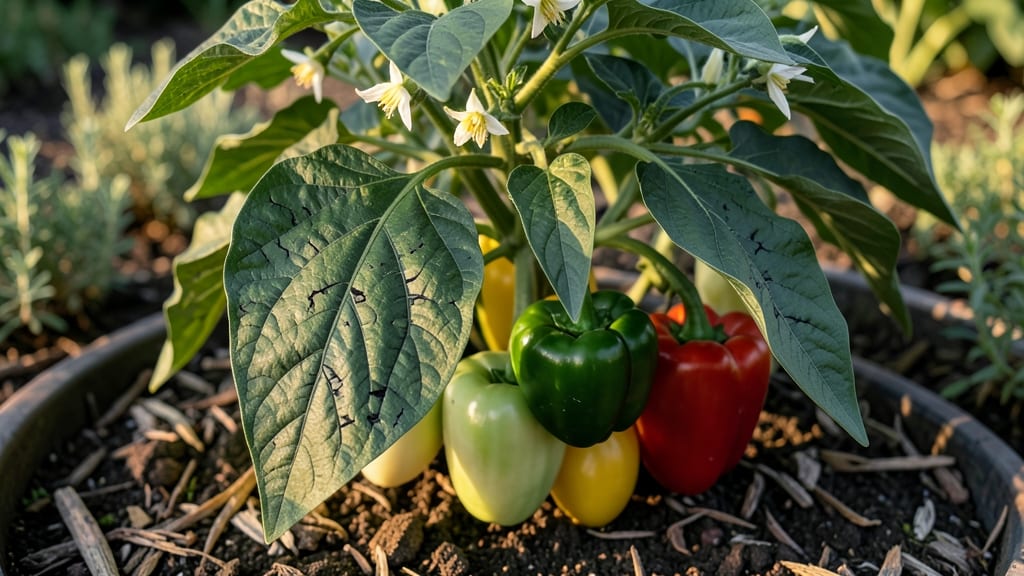
Black streaks on pepper plants mean your harvest could vanish before it starts. 🌱 I’ve lost entire plants to these telltale signs—until I learned the copper spray and pruning combo that saved my garden.
The streaks aren’t just ugly; they’re a warning that your peppers are fighting fungal diseases like bacterial spot or anthracnose, often worsened by overwatering or crowded plants.
Most gardeners panic and yank out the plants, but that spreads the problem. Instead, start by pruning infected leaves (wear gloves!) to improve airflow, then spray with a copper fungicide every 7-10 days until new growth appears.
The key is acting fast—once the streaks turn black and crusty, the damage is done. I’ve revived plants this way even when they looked hopeless.
You’ll notice healthier green leaves within 2 weeks, and new peppers forming where the old ones died back. The secret? Prevention: space plants 18-24 inches apart, water at the base (not overhead), and rotate crops yearly. My peppers now stay streak-free through the entire growing season.
This fix works for bell peppers, jalapeños, and even tomatoes—just adjust the spray schedule for humidity. No more wasted plants, no more mystery diseases. Let’s get those peppers thriving again.
Root Causes Of Dark Marks
Black streaks on your pepper plants can feel like a mysterious warning sign—one that often leaves gardeners scratching their heads. But these dark blemishes aren’t just random; they’re usually a clear signal from nature that something’s off.
Let’s break down the most common culprits behind these unsightly streaks, so you can diagnose and treat them like a pro.
Fungi are the #1 reason for black streaks on pepper plants, and they thrive in warm, humid conditions—perfect for a pepper garden. The two most notorious offenders are:
🔍 Anthracnose: The Water-Loving Spoiler
What it is: A fungal disease caused by Colletotrichum species, anthracnose appears as dark, sunken streaks or spots on leaves, stems, and even fruits. In wet conditions, it can spread rapidly, turning healthy foliage into a mushy, blackened mess.
Why it happens:
- Excess moisture: Fungal spores splash onto leaves during watering or rain, especially if water pools on foliage (a common mistake with overhead irrigation).
- Poor airflow: Dense plantings or crowded gardens create a humid microclimate, giving fungi the perfect breeding ground.
- Stressed plants: Peppers under stress (from drought, nutrient deficiencies, or transplant shock) have weaker defenses, making them easier targets.
💡 Pro Tip: Look for yellow halos around black streaks—this is a classic sign of anthracnose. If you see it, act fast with copper fungicide and prune infected leaves immediately.
🍂 Alternaria Leaf Spot: The Stubborn Stainer
What it is: Caused by Alternaria solani, this fungus creates dark, concentric-ringed spots that can merge into large black streaks. It often starts on older leaves but spreads to stems and fruits if ignored.
Why it happens:
- Hot, humid weather: Alternaria loves temperatures between 77–86°F (25–30°C) with high humidity—ideal for late-summer pepper gardens.
- Old plant debris: Spores overwinter in old leaves or mulch, ready to reinfect when conditions are right.
- Wounded plants: Physical damage (like hail or rough handling) creates entry points for spores.
🔥 Key Difference: Unlike anthracnose, Alternaria spots often have a grayish center with dark borders. If you see this, remove infected leaves and avoid wetting foliage when watering.
Not all black streaks are fungal. Sometimes, your pepper plants are sending an SOS due to environmental factors:
☀️ Sun Scorch: The Overworked Plant
What it looks like: Black or brown streaks on leaves exposed to intense sunlight, often along leaf edges or between veins. The tissue may feel dry or papery.
Why it happens:
- Sudden heat waves: Peppers adapted to cooler spring temps can’t handle abrupt shifts to 90°F+ (32°C+), causing cellular damage.
- Water stress: Drought-stressed plants lose turgor pressure, making leaves more vulnerable to sun damage.
- Reflective surfaces: Light-colored soil, pavement, or even white mulch can amplify heat, baking leaves from below.
🌡️ Fix It: Provide afternoon shade with shade cloth (30–50% coverage) or mulch heavily to keep roots cool. Water deeply in the morning to reduce stress.
💧 Overwatering: The Drowning Effect
What it looks like: Blackened, mushy streaks on stems or leaves, often accompanied by yellowing (chlorosis) or wilting. Roots may smell foul.
Why it happens:
- Poor drainage: Peppers hate soggy feet. Containers without drainage holes or clay-heavy soil can trap excess water, suffocating roots.
- Frequent light watering: Short, shallow waterings encourage shallow root growth, making plants more prone to rot.
- Cold, wet soil: Temperatures below 60°F (15°C) slow root activity, increasing susceptibility to rot.
✨ Quick Action: Let the top 2 inches of soil dry out between waterings. If your plant is already rotting, prune away blackened tissue with sterilized shears and repot in fresh, well-draining mix.
Sometimes, tiny invaders leave behind black streaks as they feed:
🐜 Aphids & Spider Mites: The Sap-Sucking Streakers
What it looks like: Black, sticky residue (aphid honeydew) or fine webbing on leaves, often with streaks of sooty mold growing on the excrement.
Why it happens:
- Sap feeding: Aphids and mites pierce plant cells, releasing dark, sticky waste that attracts sooty mold fungi.
- Crowded plants: These pests thrive in dense foliage where they can hide and multiply unnoticed.
- Weak plants: Stressed peppers produce more sugary sap, making them a buffet for pests.
🔪 Solution: Blast pests off with a strong stream of water or use neem oil (1 tsp per quart of water). Prune heavily infested leaves to break the cycle.
Now that you know the why behind those black streaks, you’re one step closer to saving your pepper plants. Next up: how to confirm the cause and the best fixes—including copper spray and pruning techniques!
Quick Fixes for Pepper Plant Streaks
Black streaks on your pepper plants can feel like a garden mystery, but the good news? Most fixes are simple, fast, and effective. Below, we’ve mapped the most common causes to practical solutions—plus prevention tips to keep your peppers thriving.
Let’s get those plants back to their healthy, productive selves!
If the streaks look slimy, black, or spread like a web, fungal diseases (like bacterial spot or anthracnose) are likely the culprits. Act fast—fungi multiply quickly!
🔥 Step 1: Remove the Infected Parts
- 👨🍳 Snip off any leaves, stems, or fruit with black streaks using sterilized pruners (wipe with rubbing alcohol between cuts).
- 🗑️ Dispose of infected plant debris immediately—don’t compost it! Fungi can survive in soil.
🍳 Step 2: Apply Copper Fungicide
Copper is a natural, non-toxic way to stop fungal spores in their tracks.
- 💧 Mix 1 tbsp of copper sulfate (or a pre-made copper fungicide) with 1 gallon of water.
- 🌿 Spray the solution evenly on both sides of leaves, stems, and soil around the base (fungi love hiding there!).
- ⏰ Repeat every 7–10 days until new growth appears streak-free.
🌡️ Step 3: Boost Airflow & Light Fungi thrive in humid, shady conditions.
Help your peppers recover by: - 🌬️ Prune nearby plants to improve airflow (aim for 3–4 inches of space between plants). - ☀️ Move pots to a sunnier spot (peppers need 6–8 hours of sunlight daily). - 💦 Water at the base (avoid wetting leaves) and water early in the day so foliage dries quickly.
✨ Prevention Tips for Fungal Streaks
- 🌱 Rotate crops—don’t plant peppers in the same spot year after year (fungi linger in soil).
- 🌿 Use mulch (straw or grass clippings) to keep soil moist but prevent splashing water onto leaves.
- 🛡️ Preventative spray: Apply copper fungicide once a month during wet seasons.
If the streaks are ragged, chewed, or paired with tiny bugs, pests like aphids, spider mites, or thrips might be the villains.
🔪 Step 1: Identify & Remove Pests
- 🔍 Inspect leaves under a magnifying glass—look for tiny bugs, webbing, or sticky residue (honeydew).
- 🚰 Blast off pests with a strong stream of water (aphids hate this!).
- 🕷️ Handpick larger pests (like earwigs) and drop them in soapy water.
🍳 Step 2: Natural Pest Control
- 🧼 Insecticidal soap: Mix 1 tbsp mild soap (like Castile) with 1 quart of water.
Spray directly on pests (avoid spraying in direct sun—it can burn leaves). - 🌿 Neem oil: Mix 1 tsp neem oil + 1 tsp soap + 1 quart of water.
Spray every 5–7 days until pests vanish. - 🐝 Attract predators: Plant marigolds, basil, or dill nearby to lure ladybugs and lacewings (they eat pests!).
🎯 Prevention Tips for Pest Streaks
- 🌱 Interplant with herbs like basil, thyme, or cilantro—they repel pests naturally.
- 🌿 Inspect new plants before bringing them home (quarantine for a week if possible).
- 🌡️ Avoid overwatering—dry soil deters many garden pests.
If streaks appear waterlogged, mushy, or paired with yellowing leaves, your peppers might be drowning in too much moisture.
👨🍳 Step 1: Check Soil & Drainage
- 🏺 Stick your finger 1 inch into the soil—if it’s soggy, cut back on watering.
- 🪴 Repot if needed: Ensure pots have drainage holes and use well-draining soil (mix potting soil with perlite or sand).
- 🌱 For garden beds, raise soil mounds around plants to improve drainage.
💦 Step 2: Water Smarter
- 🌧️ Water deeply but infrequently—peppers prefer dry soil between waterings.
- ⏰ Water in the morning so excess moisture evaporates by night.
- 🚰 Use a moisture meter if you’re unsure—aim for 40–60% moisture (not bone-dry, not soggy).
🌡️ Prevention Tips for Water-Related Streaks
- 🌱 Choose the right pot size—too large = holds too much water.
- 🌿 Mulch heavily (2–3 inches) to retain moisture without over-saturating soil.
- 🌧️ Avoid overhead watering—use a drip irrigation system or watering can with a narrow spout.
Black streaks can sometimes signal zinc or manganese deficiency, though these usually appear as yellowing between veins first. If streaks are paired with stunted growth or weak stems, a soil test might help.
🍳 Step 1: Test & Amend Soil
- 📊 Get a soil test kit (available at garden centers) to check pH and nutrient levels.
- 🌱 If soil is too alkaline (pH > 7), add sulfur or peat moss to lower pH (peppers prefer 6.0–6.8).
- 💪 Add micronutrients:
- 🌿 Chelated iron or zinc (follow package instructions).
- 🍂 Compost or worm castings for a slow-release nutrient boost.
✨ Prevention Tips for Nutrient Issues
- 🌱 Rotate crops to prevent nutrient depletion.
- 🌿 Side-dress with compost halfway through the growing season.
- 🌧️ Avoid over-fertilizing—peppers need balanced NPK (10-10-10 or 5-5-5) but too much nitrogen causes leafy growth at the expense of fruit.
If streaks spread rapidly despite your efforts, or if plants wilt dramatically, the infection may be too advanced.
In this case: - 🌱 Consider replacing heavily infected plants (especially if they’re young). - 🌿 Sterilize tools and soil—solarize soil (cover with clear plastic for 4–6 weeks in sun) to kill fungi. - 📞 Consult a local extension office for regional-specific solutions.
Remember: The key to happy peppers is early action + prevention. With these fixes, your plants should bounce back in 1–2 weeks—and you’ll be back to harvesting spicy, streak-free peppers in no time! 🌶️💚
Frequently asked questions
Why do my pepper plants get black streaks even when I water them at the base?
Even with proper watering, black streaks often appear from fungal spores that land on leaves during rain or humidity. Fungi like anthracnose and Alternaria thrive in moist conditions, so even base watering won't prevent spores from splashing up. The key is improving airflow by spacing plants 18-24 inches apart and removing infected leaves immediately.
Can I still eat peppers with black streaks, or should I remove them?
Remove any peppers with black streaks caused by fungal diseases (like bacterial spot) as they can spread spores. However, if the streaks are from sun scorch or minor pest damage, you can still eat the unaffected parts. Always wash peppers thoroughly before eating, regardless of visible damage.
How often should I apply copper fungicide to prevent black streaks?
For prevention, apply copper fungicide every 7-10 days during wet seasons or when humidity is high. If treating an active infection, spray every 5-7 days until new growth appears. Always spray in the early morning so leaves have time to dry before evening dew forms.
What's the fastest way to tell if black streaks are from fungi vs. pests?
Check for these clues: Fungal streaks are slimy, black, and often have yellow halos (anthracnose), while pest-related streaks come with tiny bugs, webbing, or sticky residue (aphid honeydew). Use a magnifying glass to spot pests or inspect leaf undersides for fungal spores.
Will black streaks spread to my other garden plants?
Yes, fungal diseases like anthracnose can spread to tomatoes, eggplants, and other nightshades through wind, water, or tools. Always sterilize pruners between plants and remove infected debris immediately. For severe cases, consider rotating crops next season to break the disease cycle.