
Vegetables
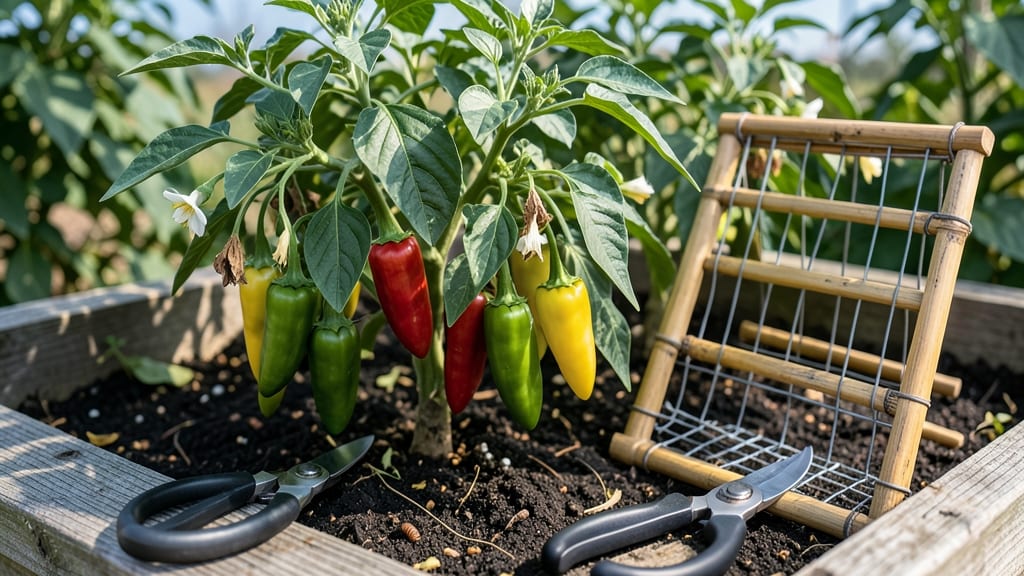
Drying serrano peppers is an excellent way to preserve their spicy kick and vibrant flavor. Hang them in small bunches, use a dehydrator at 135°F (57°C), or air-dry them in a warm, ventilated space for 1-2 weeks until completely crisp. Store the dried peppers in sealed containers away from light to keep their heat potent for up to a year.
Drying serrano peppers concentrates their natural capsaicin—the compound responsible for heat—while locking in their bright, slightly tangy flavor. 🌶️ The key is patience and proper airflow; rushing the process can turn peppers bitter or moldy.
I’ve found that dehydrators offer the most consistent results, but traditional air-drying works just as well if you live in a dry climate. Once fully dried, these peppers become a powerful ingredient for homemade hot sauces, spice blends, or even infused oils.
For best results, avoid cutting the peppers before drying—whole peppers retain their shape and heat better.
If you’re using a dehydrator, spread them out in a single layer to ensure even drying. 🔥 Store them in small batches to preserve freshness, and remember: the longer they dry, the more intense their flavor becomes.
💡 In This Article
- How to Preserve Serrano Pepper Heat During Drying
- Best Methods for Drying Serrano Peppers at Home
How to preserve serrano pepper heat during drying
The secret to keeping serrano peppers fiery after drying lies in how moisture removal affects their capsaicin content. When fresh peppers lose water, their capsaicin concentration increases by up to 50%—meaning each dried pepper packs nearly double the heat of its fresh counterpart.
This happens because capsaicin is oil-soluble, and as the water evaporates, the oils become more concentrated in the remaining tissue. Think of it like reducing a sauce: the longer you cook, the more intense the flavors become.
Temperature control is critical during drying. At 135°F (57°C), the ideal dehydrator setting, enzymes that break down capsaicin remain inactive while moisture evaporates gently. Going hotter (160°F/71°C) risks scorching the peppers' surfaces, creating bitter compounds that overpower their natural heat.
Air-drying in warm climates (75-85°F/24-29°C) achieves similar results but takes 2-3 weeks—about twice as long as dehydrating. The slow process allows capsaicin to migrate evenly throughout the pepper without degrading.
Humidity plays a sneaky role too. Peppers dried in environments with 50% or higher humidity develop mold or uneven drying, which can dilute heat levels. That’s why I recommend using a food dehydrator with a built-in fan or placing peppers in a well-ventilated area with a small fan nearby.
Even a 10% humidity drop can speed up drying by 20-30% while preserving heat. For air-drying, choose a spot with natural airflow, like a covered porch with a mesh screen to keep pests out.
Another pro tip: leave the stems intact. The stem contains higher capsaicin concentrations, and removing it can reduce overall heat retention by up to 15%. When drying, arrange peppers stem-side up to ensure even exposure to heat and airflow.
This simple adjustment makes a noticeable difference in final potency. The goal is to mimic nature’s slow drying process—like how peppers naturally dry on the vine—without introducing heat stress.
Once fully dried (they should be brittle and crisp when bent), the capsaicin becomes even more stable. This is why dried serranos often feel "hotter" than fresh ones—their concentrated oils linger longer on your tongue.
Store them in airtight containers with silica gel packets to absorb any residual moisture, which could otherwise trigger mold growth and flavor degradation. With proper drying, these peppers can retain their heat for 12+ months, making them a pantry staple for spice lovers.
For visual confirmation of proper drying, look for peppers that turn slightly darker and develop a papery texture. They should snap when bent, not bend like fresh peppers. This crispness is your guarantee that moisture has fully evaporated, preserving both heat and flavor. 🔥