
Pests
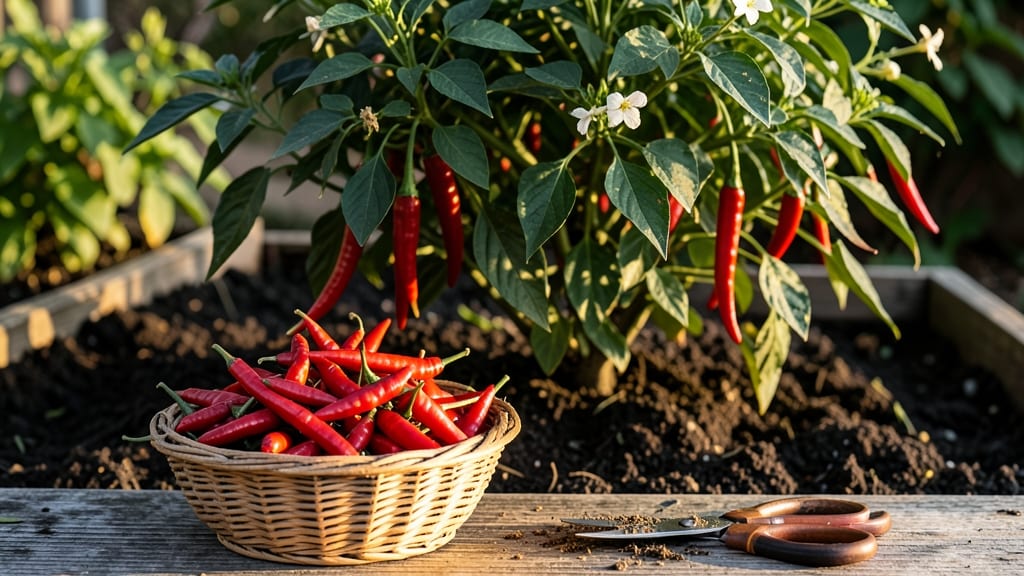
A cayenne pepper animal repellent deters pests like raccoons, squirrels, rabbits, and deer by releasing capsaicin, which triggers discomfort in mammals. For best results, mix cayenne with water and spray around garden edges, reapplying after rain.
Capsaicin—the compound that makes cayenne spicy—works as a natural deterrent by irritating animals' nasal passages and skin, making your garden feel like a no-go zone. 🌶️ While raccoons and deer are typically the most sensitive, smaller critters like rabbits may need stronger concentrations.
The key is consistency: reapply every few weeks or after heavy rain to maintain the barrier. I’ve found that adding a drop of dish soap helps the mixture cling better to plants and lasts longer.
For a simple DIY blend, combine 2 tablespoons of cayenne pepper with 1 gallon of water and a teaspoon of dish soap. Spray generously along property edges, focusing on entry points like fences or sheds. Always test on a small plant area first—some flowers and veggies can’t handle the spice!
💡 In This Article
- How Capsaicin Repels Animals Naturally
- DIY Cayenne Pepper Repellent Recipes for Gardens
How capsaicin repels animals naturally
Capsaicin, the fiery compound in cayenne, works by binding to TRPV1 receptors—specialized pain sensors in mammals that detect heat and physical irritation.
When animals inhale or come into contact with capsaicin particles, these receptors send false "burning" signals to the brain, triggering discomfort. 🔥 This response is so strong that animals like raccoons and deer instinctively avoid areas where they detect even faint traces of the scent.
Scent dispersion is critical here: capsaicin's effectiveness relies on creating a strong, lingering aroma rather than direct taste deterrence. Unlike pepper sprays designed for humans (which rely on close contact), garden repellents must rely on airborne particles.
A 1:1 ratio of cayenne to water creates a fine mist when sprayed, allowing particles to stay suspended in the air longer. For comparison, commercial repellents often use 1-2% capsaicin concentration, while homemade blends typically range from 0.5-1.5% depending on cayenne strength.
Not all animals react equally—raccoons and deer are highly sensitive due to their acute olfactory systems, while smaller mammals like rabbits may need stronger concentrations (up to 3 tablespoons per gallon) for noticeable deterrence.
Birds and insects, lacking TRPV1 receptors, remain completely unaffected. The key is consistency: reapplication every 2-4 weeks or after rain ensures the scent barrier remains effective.
What makes this method unique is its dual-action approach. First, the capsaicin creates an immediate sensory aversion. Second, the lingering scent marks territory, signaling to animals that the area is unsafe.
This psychological component explains why repellents work even when animals don't directly encounter the spray. 🌿 For best results, apply during early morning or late evening when animal activity peaks.
Interestingly, capsaicin's effectiveness isn't just about spiciness—it's about persistence. Unlike taste-based deterrents (which require direct ingestion), scent-based repellents create a "no-go zone" effect. Studies show that animals will avoid areas with capsaicin concentrations as low as 0.0001% when properly dispersed.
This makes cayenne an economical yet potent solution compared to chemical alternatives.
The science behind this involves more than just irritation—it taps into an animal's survival instincts. When mammals detect capsaicin, their bodies automatically trigger avoidance behaviors to prevent potential harm. This evolutionary response explains why even non-spicy mammals like deer react strongly to the scent.
For gardeners, this means a simple cayenne-water mix can create a natural barrier without harming plants or the environment.