
Vegetables
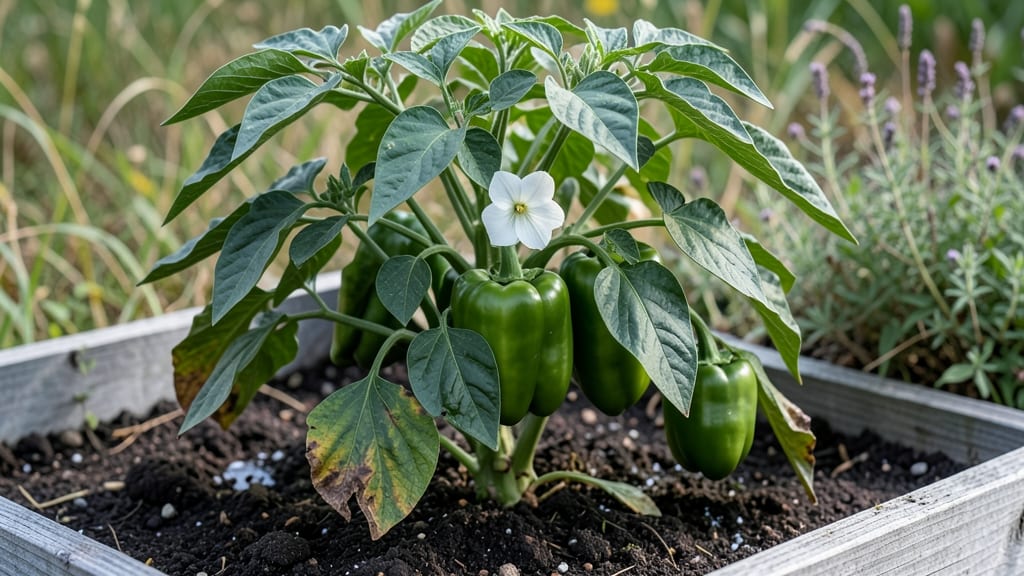
Chapped green peppers look like they’ve been through a desert—wrinkled, leathery, and far from the crisp, vibrant pods you planted. 🌶️ Honestly, I’ve stared at my own sad-looking peppers after a heatwave, wondering if they were beyond saving. The good news?
Most cases aren’t permanent, and a few simple fixes can bring them back to plump perfection in days. The culprit is usually one of three things: too much sun without enough water, sudden temperature swings, or over-fertilizing with nitrogen.
My peppers once looked like old leather after I accidentally dumped extra fertilizer on them—turns out, they wanted water more than food. Mulching helps stabilize soil moisture, and a quick pruning session can redirect energy to recovery. Within 3-5 days of adjusting care, you’ll see them filling out again.
The key is consistency: water deeply at the base (not overhead), keep mulch in place, and avoid fertilizing until they bounce back. Even the most chapped peppers can make a comeback with the right TLC. This works for bell peppers, jalapeños, or any variety—just watch for signs of stress early.
Here’s how to turn those wrinkles into smooth, harvest-ready pods again.
The Hidden Triggers Behind Wrinkled Peppers
When your green peppers develop those unsightly chapped or wrinkled patches, it’s rarely just "bad luck"—there’s usually a clear culprit behind the texture shift. Understanding these causes is the first step to preventing (or fixing) them. Let’s break down the science behind why your peppers lose their crisp, smooth skin.
🌡️ Temperature Fluctuations: The Peppers’ Biggest Enemy
Peppers are sensitive to temperature swings, and sudden changes—whether hot or cold—can trigger wrinkling. Here’s why:
- Cold Stress: When exposed to freezing temperatures (below 32°F/0°C), pepper cells lose moisture rapidly as ice crystals form in their tissues. This causes cell walls to rupture or shrink, leaving the skin puckered and dry. Pro Tip: If storing peppers in the fridge, keep them in a paper towel-lined container to slow moisture loss.
- Heat Shock: Conversely, extreme heat (above 90°F/32°C) accelerates respiration—the process where peppers "breathe" and break down sugars for energy. This speeds up water evaporation from the skin, leading to wrinkles. Pro Tip: Harvest peppers in the morning when temps are cooler to preserve freshness.
- Uneven Ripening: If peppers are harvested too early (underripe) and then exposed to heat, their skin may wrinkle prematurely as the plant diverts energy to ripening instead of maintaining cell structure.
💧 Moisture Imbalance: When Peppers Dry Out (or Get Too Wet)
Peppers thrive on a delicate moisture balance. Too little or too much water throws off their skin integrity:
- Underwatering: Peppers are 90% water, and when soil dries out, they transpire (lose water through leaves/skin) faster than roots can replenish it. This causes cell shrinkage, making skin appear leathery or wrinkled. Pro Tip: Water deeply 1–2 inches into soil when the top inch feels dry—drip irrigation is ideal to avoid surface evaporation.
- Overwatering: While counterintuitive, excess moisture can also cause wrinkling. Poor drainage or soggy soil leads to root rot, which starves the pepper of nutrients and forces it to prioritize survival over skin maintenance. Pro Tip: Use well-draining soil (mix in perlite or compost) and avoid watering at night to prevent fungal growth.
- Humidity Mismatch: Low humidity (<30%) makes peppers lose moisture through their skin faster than they can absorb it. High humidity (>80%) can promote mold, which weakens cell walls. Pro Tip: Aim for 40–60% humidity; use a hygrometer and a pebble tray with water to boost moisture in dry climates.
🌱 Nutrient Deficiencies: When Peppers Starve for Vitality
Peppers are heavy feeders, and a lack of key nutrients directly impacts their skin quality. Here’s what’s missing when wrinkles appear:
| Nutrient | Role in Pepper Skin | Signs of Deficiency |
|---|---|---|
| Calcium | Strengthens cell walls, preventing collapse and wrinkling. | Wrinkled, leathery skin (especially on younger peppers) and blossom-end rot (black spots). |
| Potassium | Regulates water balance and osmotic pressure in cells. | Wrinkled, yellowing edges and weak stems. |
| Magnesium | Helps chlorophyll production, keeping skin firm and green. | Yellow patches between veins (like interveinal chlorosis) and wrinkled, dull skin. |
Pro Tip: Test your soil with a home kit or amend with crushed eggshells (calcium), banana peels (potassium), or Epsom salt (magnesium) if deficiencies are suspected.
🧪 Pesticide or Chemical Burn: When "Help" Hurts
Harsh chemicals—whether pesticides, herbicides, or even over-fertilizing—can damage pepper skin by:
- Disrupting the Cuticle: The waxy cuticle on pepper skin protects against moisture loss. Synthetic chemicals can strip or clog pores, forcing cells to overcompensate and wrinkle. Pro Tip: Use neem oil or insecticidal soap as organic alternatives.
- Salt Buildup: Over-fertilizing (especially with high-nitrogen or synthetic fertilizers) increases salt concentration in soil, which osmotically draws water out of pepper cells, causing wrinkles. Pro Tip: Flush soil with water after fertilizing to prevent salt lock.
- pH Imbalance: Peppers prefer 6.0–6.8 pH. Soil that’s too acidic (<5.5) or alkaline (>7.5) locks out nutrients, leading to weak cell walls. Pro Tip: Test soil pH and amend with lime (to raise pH) or sulfur (to lower pH) as needed.
🍃 Harvesting Too Late (or Too Early)
Timing matters! Peppers wrinkle when they’re not harvested at peak ripeness:
- Overripe Peppers: When left on the vine past their prime, peppers deplete stored water and soften as sugars convert to starch. The skin shrivels and becomes leathery. Pro Tip: Harvest when peppers are firm, glossy, and fully colored.
- Underripe Peppers: Picked too green, they lack full cell development and may wrinkle prematurely when exposed to stress (like heat or dry air). Pro Tip: Wait until peppers are at least 70% their mature color for bell peppers.
Quick fixes for wrinkled peppers
Got peppers with a less-than-fresh look? Whether they’re sitting too long in your fridge or just didn’t get enough TLC, these easy, science-backed solutions will restore their crisp, vibrant appearance in minutes.
Below, we’ll tackle the most common causes—from overcrowding to dehydration—and show you how to bring your peppers back to life.
If your peppers are wrinkled from being packed too tightly (or bruised from rough handling), they need immediate airflow and hydration.
How to Revive:
- 🍳 Rinse & Pat Dry
- Gently rinse the peppers under cool water to remove any surface dirt or moisture buildup.
- Use a clean kitchen towel or paper towels to pat them dry—never rub, as this can damage the skin further.
- 👨🍳 Spread Them Out
- Place the peppers in a single layer on a wire rack, baking sheet, or clean towel.
- Avoid stacking—this traps moisture and worsens wrinkling.
- ⏰ Let Them Rest (20-30 Minutes)
- Leave them in a well-ventilated area (like your countertop) so air can circulate.
- If they’re still limp after 30 minutes, move to the next step.
- 🌡️ Warm Water Soak (Optional for Stubborn Cases)
- Fill a bowl with lukewarm water (not hot!) and submerge the peppers for 5-10 minutes.
- The warmth softens the skin slightly, helping it plump back up.
- Drain and pat dry again.
💡 Pro Tip:
- Store peppers properly after reviving: Keep them in a paper bag or breathable container (not airtight) in the crisper drawer of your fridge.
If your peppers are shriveled from age or improper storage, they need a quick hydration boost to restore their snap.
How to Revive:
- 🔪 Trim Damaged Areas (If Needed)
- If the ends are mushy or discolored, snip them off with a sharp knife—this prevents bacteria from spreading.
- 🍎 Plunge in Ice Water
- Fill a bowl with ice water (the cold shock helps firm them up).
- Submerge the peppers for 10-15 minutes—this reactivates cell structure, making them crisp again.
- 🥗 Blot & Store Properly
- Remove peppers and gently blot with a towel (don’t wring them).
- Place them in a sealed container with a paper towel to absorb excess moisture.
- Store in the fridge for up to 3-5 more days.
✨ Bonus Hack:
- For extra crunch, sprinkle a tiny pinch of salt on the peppers before soaking—it helps retain moisture.
The best way to avoid soggy, shriveled peppers? Smart storage and handling.
| Cause | Fix It Now | Prevent It Next Time |
|---|---|---|
| Overcrowded in fridge | Spread them out on a tray for 30 mins | Store in a single layer with paper towels |
| Too much humidity | Pat dry and let air circulate | Use a breathable bag (not plastic) |
| Old or past prime | Soak in ice water for 10 mins | Buy firm, glossy peppers (avoid soft spots) |
| Exposed to ethylene gas | Move to a paper bag away from apples/bananas | Store separately from ethylene-producing fruits |
💡 Extra Prevention Tips:
- Don’t wash until ready to use—excess moisture speeds up spoilage.
- Keep stems intact (if possible) to slow moisture loss.
- Freeze extras if you won’t use them within a week—blanch first for best texture.
With these fast fixes and smart storage habits, your peppers will stay fresh, crisp, and ready for your next dish—no wrinkles in sight! 🌿✨
Frequently asked questions
Can I still use peppers that look wrinkled or chapped?
Wrinkled peppers are often still safe to eat—they just lost some moisture. For best texture, revive them with a 10-minute ice water soak followed by gentle drying. If the skin is tough but no mold or soft spots appear, they’re fine for cooking (sautéing or roasting works great). Just avoid eating peppers with dark, mushy patches.
Why do my store-bought peppers wrinkle so fast?
Most commercial peppers are harvested early for shipping and lose moisture quickly. The waxy coating (often removed to extend shelf life) helps retain water—when stripped, they dehydrate faster. Store them in a paper bag (not plastic) in the fridge to slow moisture loss. For extra freshness, soak in ice water for 5 minutes before storing.
Will reviving peppers make them last longer?
Yes! The ice water soak reactivates cell structure, giving peppers 2-3 extra days of crispness. Pair this with proper storage (single layer, paper towels) to maximize freshness. For long-term storage, freeze blanched peppers—they’ll stay usable for 3-6 months without wrinkling.
Can I fix peppers that are already moldy?
Unfortunately, no. Moldy peppers should be discarded immediately—even small spots can release spores that contaminate other produce. For wrinkled-but-safe peppers, trim any damaged ends and revive using the ice water method. Always check for soft, discolored areas before using.
Do different pepper varieties wrinkle at the same rate?
Not exactly. Thinner-skinned varieties like jalapeños wrinkle faster than thick-skinned bell peppers. Heat-sensitive types (e.g., habaneros) may develop chapping earlier in hot climates. For long storage, choose blocky bell peppers—their thicker skin holds moisture better.