
Container Gardens
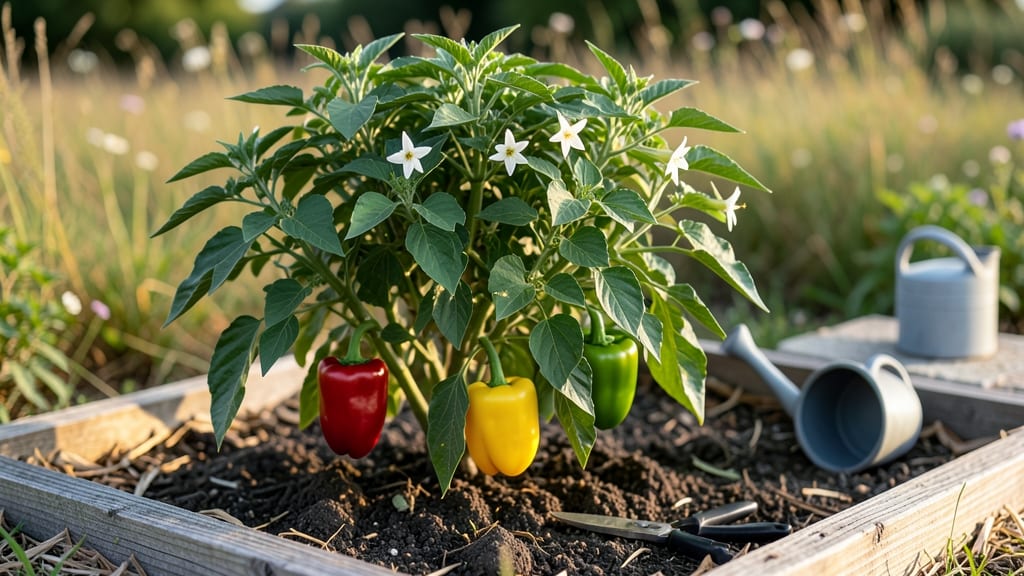
Container gardening peppers transforms even the smallest balcony into a thriving spice haven—just look at my 15+ varieties flourishing in 5-gallon pots! 🌱 more focused care. The secret? Matching the pepper’s size to the pot and keeping it sunny all day.
You’ll need at least a 5-gallon container (bigger for larger varieties), drainage holes, and a well-draining potting mix loaded with compost. Skip the cheap soil—peppers are heavy feeders, and they’ll reward you with plump, flavorful pods all season. My go-to setup?
A fabric grow bag with a time-release fertilizer pellet tossed in at planting. Start with compact varieties like ‘Shishito’ or ‘Jalapeño M’ (miniature types bred for containers), and plant one per 5-gallon pot for best airflow.
Water when the top inch of soil feels dry, and pinch off early flowers if your plant looks stressed—it’ll redirect energy to roots and bigger harvests later. Pests? A neem oil spray keeps aphids off without harming pollinators.
By midsummer, you’ll be snipping peppers for salsas, stir-fries, or pickling—all from pots that fit on a patio. The best part? No bending, no weeds, and no excuses. Here’s how to set it up right the first time.
📚 In This Guide
- What you need
- Instructions
- Tips and common mistakes
- Wrapping up and next steps
What you need
- ● Containers: 5-gallon or larger pots (1 per pepper plant; minimum 12" deep for bush varieties, 18"+ deep for indeterminate types). Drainage holes are a must!
- ● Potting Mix: 1 bag of lightweight, well-draining container mix (e.g., Miracle-Gro Potting Mix or FoxFarm Ocean Forest; avoid garden soil).
- ● Peppers: 3–6 container-friendly seedlings or seeds (e.g., Jalapeño, Shishito, or Mini Bell). Check seed packets for mature size!
- ● Fertilizer: Balanced 10-10-10 or 5-10-10 granular fertilizer (or slow-release pellets).
- ● Tools: Trowel or small hand shovel
- ● Pruning shears (for trimming)
- ● Spray bottle (for watering seedlings)
- ● Self-watering container or drip irrigation kit (for busy gardeners!)
- ● Mulch (straw or shredded leaves) to retain moisture
- ● Café grounds (for natural nitrogen boost)
- ● Support stakes or cages (for tall varieties like Cayenne)
- ● Grow lights (if starting indoors or in low-light spots)
Step-by-step instructions for growing peppers in containers
Here's how to grow vibrant, productive pepper plants in limited space—no garden required.
🌱 Step 1: Select Compact Pepper Varieties and Prepare Containers
Choose dwarf or bush varieties like 'Jalapeño M', 'Shishito', or 'Thai Hot'—they thrive in 5-gallon containers and produce abundantly. Avoid large heirlooms unless you have 10-gallon pots or deeper. I always use fabric grow bags because their breathable sides prevent root-bound stress.
Ensure each container has drainage holes—peppers rot quickly in soggy soil. If repurposing decorative pots, drill holes first. Place a 1-inch layer of gravel or perlite at the bottom to improve drainage and prevent clogging. This small step prevents the #1 killer of container peppers: root suffocation.
🌿 Step 2: Plant Seedlings at the Right Depth and Stagger Transplanting
Wait until after your last frost date, then transplant seedlings when they've developed 4-5 true leaves—this ensures they're strong enough to handle container life. Dig a hole twice as wide as the root ball but only as deep as the original pot. Peppers hate being buried too deep; it causes stem rot.
Space plants 12-18 inches apart in larger containers (5+ gallons). For smaller pots, plant just one pepper per container to avoid competition. I stagger my transplants every 2 weeks—this extends my harvest season by 3-4 weeks since each new plant ripens at a different time.
☀️ Step 3: Provide Full Sun and Consistent Heat
Peppers demand 6-8 hours of direct sunlight daily. A south-facing patio or balcony works best, but if you're limited to shade, supplement with a 14-hour LED grow light placed 6 inches above the plants. Without enough light, peppers grow leggy and produce bitter, small fruits.
Keep soil temperatures above 65°F—peppers wilt dramatically in cooler conditions. If your evenings dip below 60°F, move containers to a sheltered spot or use a small greenhouse cloche. I watch for wilting in the late afternoon; that's my cue to adjust placement immediately.
💧 Step 4: Water Deeply and Fertilize for Maximum Fruit Production
Water when the top 2 inches of soil feel dry. Containers dry out faster than garden beds, so I check soil moisture daily during heatwaves. Water deeply until it drains from the bottom—this encourages deep root growth. Avoid wetting leaves to prevent fungal diseases like powdery mildew.
Feed every 2 weeks with a balanced 10-10-10 fertilizer diluted to half-strength. When flowers appear, switch to a 5-10-10 formula to boost fruit set. I always fertilize in the morning so nutrients absorb before the heat of the day. Over-fertilizing leads to lush foliage but few peppers—a common mistake.
✂️ Step 5: Prune and Support for Bigger Harvests
Pinch off the first few flowers that appear—this redirects energy to root and stem growth. Once plants are established (4-6 weeks after transplanting), let them flower freely. Remove any suckers (side shoots) that form in the leaf axils to maintain a bushy shape and improve air circulation.
Tie tall varieties to stakes or use tomato cages for support. Peppers don't need heavy pruning, but removing damaged or yellowing leaves keeps the plant focused on producing fruit. I harvest peppers every 2-3 days during peak season—this encourages more blooms and prevents overripe fruit from sapping energy.
Tips & tricks for thriving container peppers
These game-changing insights will help you avoid common pitfalls and maximize your pepper harvest in limited space.
Container Selection: Fabric grow bags are my top recommendation because their breathable material prevents root-bound stress that stunts growth. If using traditional pots, choose ones with at least 5 gallons of capacity—smaller containers restrict root development and reduce yield. I've seen beginners use decorative pots without drainage holes, which leads to root rot within weeks. Always prioritize drainage over aesthetics.
Transplanting Timing: The 4-5 true leaves stage is critical for container success—seedlings need this much development to handle the stress of transplanting. I've learned the hard way that planting too early results in weak, leggy plants that struggle to produce fruit. After transplanting, space your 5-gallon containers 12-18 inches apart to allow proper air circulation, which prevents fungal diseases that thrive in crowded conditions.
Light Optimization: Those 6-8 hours of direct sunlight are non-negotiable for pepper production. If your space gets less light, supplement with a 14-hour LED grow light placed just 6 inches above the plants—closer than most people realize. I notice a dramatic difference in plant health when I maintain this distance. Without sufficient light, peppers become bitter and produce minimal fruit, which is why I always monitor leaf color as my early warning system.
Fertilizer Strategy: The switch from 10-10-10 to 5-10-10 when flowers appear isn't just about ratios—it's about timing. I've found that applying fertilizer in the morning allows the nutrients to absorb before the heat of the day, preventing leaf burn. Over-fertilizing is a common mistake that creates lush foliage at the expense of fruit production, so I always err on the side of caution with my 2-week feeding schedule.
Pro Tips for Container Gardening Peppers
- These game-changing insights will help you avoid common pitfalls and maximize your pepper harvest in limited space.
- Container Selection: Fabric grow bags are my top recommendation because their breathable material prevents root-bound stress that stunts growth.
- Transplanting Timing: The 4-5 true leaves stage is critical for container success—seedlings need this much development to handle the stress of transplanting.
Frequently asked questions
Got questions about growing peppers in containers? You’re not alone! Here are answers to the most common queries to help you cultivate a thriving garden—even in small spaces.
What are the best pepper varieties for container gardening?
Compact, bushy varieties like ‘Jalapeño M,’ ‘Poblano,’ ‘Shishito,’ or ‘Cherry Bomb’ thrive in containers (5+ gallons). Avoid large, sprawling types like bell peppers unless you use trellises. Dwarf varieties are ideal for small pots!
When is the best time to plant peppers in containers?
Peppers love warmth—wait until after the last frost (usually late spring) when soil temps hit 60°F+. Start seeds indoors 8–10 weeks early if your growing season is short. Containers warm up faster than ground soil, so plan accordingly!
How often should I water container-grown peppers?
Containers dry out quickly! Water daily in hot weather (check soil moisture—top inch should be dry). Mulch helps retain moisture. Overwatering causes root rot, so ensure pots have drainage holes. Morning watering reduces evaporation.
What pests should I watch for in container peppers?
Common culprits include aphids, spider mites, and hornworms. Inspect leaves regularly! Use neem oil or insecticidal soap for mild infestations. Ladybugs are natural predators—invite them with companion plants like basil or marigolds.
Can I grow peppers in containers year-round?
Peppers need 6–8 hours of sunlight daily and warmth. In cooler climates, move pots indoors near a sunny window or use grow lights during winter. In mild zones, overwinter peppers with extra mulch and protection from frost.
What can I do if my container peppers aren’t fruiting?
Check for these fixes: too little sunlight (move to a sunnier spot), overcrowding (thin plants), or nutrient deficiency (fertilize with tomato/vegetable feed). Peppers need consistent water and pollination—gently shake plants to help!
Wrapping up and next steps
Container gardening peppers is a rewarding way to grow fresh, flavorful produce—even in small spaces! With the right space-saving varieties, proper containers, and a little care, you’ll enjoy a bountiful harvest without needing a full backyard.
Whether you’re a beginner or a seasoned gardener, start small, experiment with flavors, and savor the taste of homegrown peppers!
Ready to grow? Pick your favorite variety, grab a pot, and get planting—your kitchen (and taste buds) will thank you! 🌱