
Picking
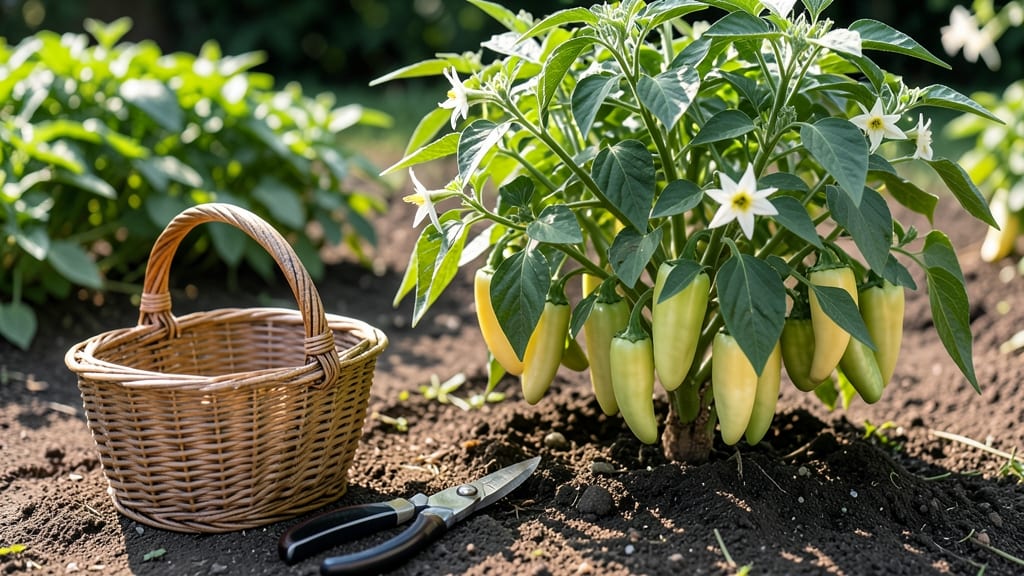
Transforming your fresh banana peppers into fiery, year-round flavor starts with proper drying. 🌶️ I’ve dried hundreds of peppers, and the right method preserves that perfect balance of sweetness and heat—without the risk of mold or uneven drying that ruins batches.
The key? Patience, cleanliness, and choosing your drying method based on what you’re working with.
You’ll need just a few simple supplies: ripe banana peppers, a sharp knife, a clean drying rack or dehydrator, and optional spices like garlic powder or smoked paprika for extra depth.
The process takes about 3-5 days for air-drying or 6-8 hours in a dehydrator, but the payoff is worth it—peppers that stay vibrant and potent for months. Start with a small batch to test your technique before scaling up.
Once dried, these peppers become a pantry staple: crush them into seasoning blends, rehydrate for homemade hot sauce, or sprinkle directly over dishes. The texture turns leathery and concentrated, packing twice the heat of fresh peppers into every bite.
Just store them in an airtight container away from light, and you’ll have flavor on demand—no more last-minute grocery runs when inspiration strikes.
Here’s the secret to success: avoid overcrowding your drying space, and always check for moisture with a food thermometer (peppers should reach 120°F internally). For extra flavor, brine them in saltwater for 10 minutes before drying—it enhances the heat and prevents bitterness. Now, let’s get those peppers drying right!
📚 In This Guide
- What you need
- Instructions
- Tips and common mistakes
- Wrapping up and next steps
What you need
- ● Fresh banana peppers: 1–2 lbs (about 10–15 peppers), ideally at peak ripeness (firm, vibrant yellow/orange, no soft spots).
- ● Cutting board: A sturdy, food-safe board (preferably plastic or wood).
- ● Sharp knife: A chef’s knife or paring knife for clean, even slicing.
- ● Drying method of choice (pick one): Dehydrator: A food dehydrator with adjustable temperature settings (135°F–145°F is ideal).
- ● Oven: A conventional oven preheated to 170°F–190°F (with door propped open slightly for airflow).
- ● Sun-drying setup: A clean, well-ventilated area with mesh screens or racks (for outdoor drying, weather-dependent).
- ● Baking sheets or dehydrator trays: Non-stick or parchment-lined trays to prevent sticking.
- ● Paper towels or clean kitchen towel: For patting peppers dry before drying.
- ● Food-grade mesh bags or jars: For storing dried peppers to keep them fresh and pest-free.
- ● Vacuum sealer: Extends shelf life by removing air and moisture.
- ● Spice grinder or mortar & pestle: For grinding dried peppers into flakes or powder later.
- ● Humidity indicator: A small device to monitor moisture levels if dehydrating indoors.
Step-by-step instructions for drying banana peppers
Here's how to transform fresh banana peppers into vibrant, heat-packed preserves that last all year.
🌱 Step 1: Harvest and Prepare the Peppers
Pick fully mature banana peppers when they're firm and deep yellow—this ensures maximum sweetness and heat. Rinse them gently under cool water to remove any dirt or debris, then pat them completely dry with a clean kitchen towel. Any moisture left on the peppers will slow down drying and create a breeding ground for mold.
Next, slice the peppers into ¼-inch thick rounds or leave them whole if they're small. For even drying, I prefer slices—this exposes more surface area to the air. Arrange them on a clean, dry surface and let them sit uncovered for 30 minutes to evaporate any remaining moisture. This extra step prevents uneven drying and potential spoilage later.
☀️ Step 2: Choose Your Drying Method
You have three reliable options: air drying, oven drying, or dehydrator drying. For air drying, string the pepper slices using ¼-inch thick twine or skewer them onto a drying rack, leaving 1 inch of space between each slice. Hang them in a warm, dry, well-ventilated spot where they'll receive indirect sunlight—a kitchen pantry or basement works well if humidity is low.
If you're using an oven, preheat it to 170°F and place the pepper slices on a wire rack set over a baking sheet. Prop the oven door open 2-3 inches to allow moisture to escape. This method takes about 4-6 hours, but you'll need to check them frequently to prevent over-browning. For dehydrator drying, arrange the slices on the trays in a single layer and set the temperature to 135°F—this is the gentlest method and preserves the most flavor.
⏰ Step 3: Monitor and Test for Dryness
No matter which method you choose, drying takes 3-7 days depending on humidity levels. The peppers are ready when they feel dry to the touch and snap when bent—not bend like fresh peppers. I test by gently pressing a slice between my fingers; if it crumbles slightly but doesn't feel leathery, it's done. If they're still flexible, return them to the drying method for another 2-4 hours.
Watch for signs of spoilage like mold or discoloration—remove any affected peppers immediately. Once fully dried, the slices should be leathery but not brittle, with a deep, concentrated color. Store them in an airtight container in a cool, dark place where they'll keep for up to 1 year. The longer they dry, the more intense their heat and flavor become.
🪴 Step 4: Store and Use Your Dried Peppers
Once completely dry, let the peppers cool to room temperature before storing. Place them in a glass jar or airtight container lined with a paper towel to absorb any residual moisture. Seal the container and store it in a pantry or refrigerator for extended shelf life. Dried banana peppers can be rehydrated in warm water for 10-15 minutes before using in recipes, or crumbled directly into dishes for a burst of heat.
Here's the thing—dried peppers lose some of their original volume, so a 1-pound batch of fresh peppers yields about ½ cup of dried slices. Use them in homemade hot sauces, sprinkle over pizzas, or blend into marinades. The key is to keep them dry; even a little moisture will cause them to spoil quickly. If you notice any off smells or textures, discard them immediately—safety first.
Tips & tricks for perfectly dried banana peppers
Transforming fresh banana peppers into vibrant, flavorful preserves requires patience and precision—here’s how to avoid common pitfalls and elevate your results.
Slice Uniformity: Consistency is key when slicing your peppers. Use a sharp knife and aim for ¼-inch thick rounds—this ensures even drying across all slices. If you’re nervous about freehand slicing, place the pepper on a cutting board and roll it while slicing for perfectly uniform pieces. Uneven slices can lead to some drying faster than others, creating a mix of textures in your final product.
Humidity Control: The drying process hinges on low humidity—if your kitchen feels damp, your peppers will never fully dry. For air drying, set up a small fan nearby to circulate air, or place a desiccant packet (like silica gel) near your drying rack. If you’re using an oven or dehydrator, ensure the room is well-ventilated to prevent moisture buildup. Even a slight increase in humidity can extend drying time from 3-7 days to over a week.
Testing for Doneness: The 3-7 day drying window can feel vague, but there’s a foolproof way to check: press a slice between your fingers. If it crumbles slightly but doesn’t feel leathery, it’s ready. If it still bends like fresh pepper, return it to dry for another 2-4 hours. Over-drying turns peppers brittle, while under-drying risks spoilage. A gentle snap—not a bend—is your goal.
Storage Wisdom: Once your peppers are perfectly dried, store them in an airtight container lined with a paper towel to absorb any lingering moisture. Seal the container tightly and keep it in a cool, dark pantry—light and heat degrade flavor over time. If you notice any off smells or textures after opening, discard them immediately; dried peppers spoil quickly if exposed to moisture.
Pro Tips for Drying Banana Peppers
- Transforming fresh banana peppers into vibrant, flavorful preserves requires patience and precision—here’s how to avoid common pitfalls and elevate your results.
- Slice Uniformity: Consistency is key when slicing your peppers.
- Humidity Control: The drying process hinges on low humidity—if your kitchen feels damp, your peppers will never fully dry.
Frequently asked questions
Got questions about drying banana peppers?
You’re not alone! Here are answers to the most common queries to help you master the process like a pro.
How long does it take to dry banana peppers?
Drying time depends on your method: air-drying takes 1–3 weeks (1–2 weeks for optimal flavor), dehydrator drying takes 6–12 hours at 125–135°F, and oven-drying requires 2–4 hours at 175°F. Test for doneness—peppers should be leathery, brittle, and easily crumble when squeezed.
Can I speed up the drying process?
Yes! For faster results, use a dehydrator (most efficient) or low oven (prop doors open for airflow). Avoid high heat—it burns peppers instead of drying them. If using air-drying, place peppers in a well-ventilated, sunny spot (like a screen or rack) to cut drying time by 2–3 days.
What’s the best temperature for drying banana peppers?
Ideal temps are 125–135°F (52–57°C) for dehydrators or ovens. For air-drying, aim for 70–80°F (21–27°C) with good airflow. Overheating (above 160°F/71°C) can make peppers tough or lose flavor, while temps below 120°F (49°C) risk mold or uneven drying.
Can I dry banana peppers without a dehydrator?
Try these methods:
- Oven method: Spread peppers on a baking sheet with parchment paper; bake at 175°F (79°C) for 2–4 hours, checking frequently.
- Air-drying: Hang peppers from a string or lay them on a mesh screen in a warm, dry, well-ventilated area (like a pantry or sunny porch).
- Sun-drying: Use in hot, dry climates (below 40% humidity) for 3–5 days, bringing peppers inside at night to prevent dew.
Why are my dried banana peppers moldy?
Mold usually means high humidity or uneven drying. Fix it by:
- Ensuring peppers are fully dry within 2–3 days (no moisture left).
- Storing dried peppers in airtight containers with silica gel packets or oxygen absorbers.
- Avoiding crowding peppers during drying to improve airflow.
- Discarding any moldy peppers immediately—mold can spread quickly!
How do I store dried banana peppers long-term?
Store peppers in airtight containers (glass jars or vacuum-sealed bags) in a cool, dark place (like a pantry or freezer). They’ll last 6–12 months if completely dry. For extra shelf life, freeze them for up to 2 years—just thaw before use!
Wrapping up and next steps
Drying banana peppers is a simple yet rewarding way to preserve their bold flavor and heat for months—no fancy equipment required!
Whether you’re stocking up for homemade hot sauces, snacks, or seasonings, this method ensures you’ll always have a pantry staple ready to elevate your dishes. Start small, experiment with techniques, and soon you’ll be enjoying that fresh-picked tang anytime.
👉 Ready to dive in? Grab a batch of peppers, follow the steps, and soon you’ll be the proud keeper of homemade dried banana peppers—your kitchen’s secret weapon! 🌶️✨