
Companion Plants
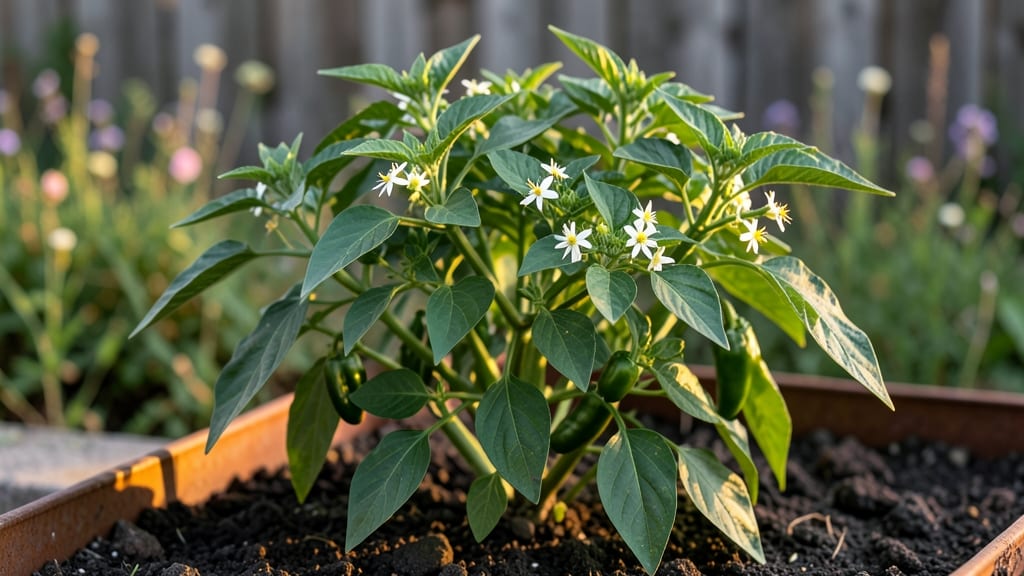
Growing early jalapeño pepper plants means spicy harvests in just 60 days—perfect for small spaces where summer feels too short. 🌱 I learned the hard way that standard varieties take too long, but these compact, fast-maturing peppers prove you don’t need a greenhouse or deep pockets.
The secret? Starting seeds indoors in February, then transplanting when soil warms to 60°F, and choosing varieties like ‘Early Jalapeño’ or ‘Super Early Jalapeño’ that mature before most pests even show up.
You’ll need 3-5 gallon containers or a sunny windowsill for seedlings, a mix of potting soil and compost, and a spot that gets 6+ hours of sunlight daily—even a balcony works.
Water consistently (but never soggy) and fertilize lightly with a balanced organic feed every 2-3 weeks once flowers appear. The payoff? Plump, bright green peppers ready to harvest by early summer, with enough heat to spice up salsas, sauces, or even homemade hot sauce.
Here’s the game-changer: these peppers thrive in small spaces because they grow 2-3 feet tall, not the 4+ feet of standard varieties. Stake them early to prevent sprawling, and pinch off early flowers if you want bushier plants later.
The first harvest might be small, but each subsequent pepper packs more heat and flavor—and you’ll have time to try another round before frost.
For beginners, the biggest mistake is overwatering or waiting too long to transplant. Start seeds in biodegradable pots to avoid root shock, and move them outside gradually over a week to harden off.
If your space is extra tight, try vertical gardening with trellises or hanging planters—jalapeños climb like vines when given support. Once you master this, you’ll be growing peppers year-round in a greenhouse or overwintering pots indoors.
📚 In This Guide
- What you need
- Instructions
- Tips and common mistakes
- Wrapping up and next steps
What you need
- ● Jalapeño seeds: 5–10 seeds (or 3–5 starter plants if buying seedlings). Opt for early-maturing varieties like ‘Early Jalapeño’ or ‘Jalapeño M’ for faster harvests!
- ● Seed-starting mix: 1–2 gallons of sterile, well-draining potting soil (avoid garden soil—it’s too dense!).
- ● Containers: 3–6 small pots (4–6 inches deep) for seedlings, or
- ● 1–2 seedling trays with individual cells.
- ● Grow lights or sunny windowsill: A full-spectrum LED grow light (12–16 hours/day) or a south-facing window with 6+ hours of sunlight.
- ● Watering can or spray bottle: With a fine mist setting for gentle hydration.
- ● Fertilizer: Balanced liquid fertilizer (5-5-5 or 10-10-10) or organic options like fish emulsion or compost tea.
- ● Hand trowel or small shovel: For transplanting seedlings.
- ● Pruning shears: To snip off lower leaves before transplanting (encourages stronger roots!).
- ● Plant labels: Wooden sticks or markers to track varieties (trust us, jalapeños look very similar at first!).
- ○ Glove (optional): Protect your hands from spicy residue when handling plants.
- ● Warmth: Jalapeños love heat! Keep soil temps between 70–90°F (21–32°C). Use a heat mat if your home runs cool.
- ● Patience: Germination takes 7–14 days—stay consistent with moisture!
- ● Space (even small!):strong> Containers or a 12-inch-deep garden bed with 18+ inches between plants (they’ll spread!).
- ● Humidity dome or plastic wrap to retain moisture during germination.
- ● Epsom salt (1 tsp per gallon of water) for a magnesium boost.
- ● Companion plants like basil or marigolds to deter pests.
- ● Trellis or stakes for vertical growth (jalapeños can get bushy!).
Step-by-step guide to growing early jalapeño pepper plants
Here’s how to coax fast, healthy jalapeño starts that’ll outpace store-bought seedlings.
🌱 Step 1: Select and Prepare the Right Containers
Jalapeños need room to grow, so use 5-inch diameter pots for each plant—this gives roots space to establish before transplanting. I always opt for black plastic pots because they absorb heat, which jalapeños love. Fill each pot with 2-3 inches of sterile seed-starting mix, leaving ½ inch of space at the top to avoid spills when watering.
Press the soil down gently but firmly—just enough to remove air pockets without compacting it. The mix should feel like a damp sponge, not a brick. If it’s too dry, add a light mist of water until the surface is evenly moist. This prep step prevents the dreaded "damping-off" that wipes out seedlings overnight.
🌱 Step 2: Sow Seeds at the Correct Depth and Temperature
Plant 1-2 seeds per pot at a depth of ¼ inch, using your fingertip as a guide. Sowing too deep slows germination because the seedling must push through more soil. Cover lightly with additional mix, then mist the surface until damp. Place the pots in a warm, dark spot (like a seedling heat mat set to 80-85°F) for 7-10 days.
Real talk: Jalapeño seeds germinate best in warmth, but they hate cold drafts. If your home runs cooler, consider a DIY heat mat by placing pots on top of a heated towel draped over a lamp. Watch for the first sprouts—you’ll see tiny white roots breaking through the soil surface in 5-7 days if conditions are ideal.
☀️ Step 3: Provide Optimal Light and Prevent Leggy Growth
Once sprouts emerge, move pots to a bright, indirect light source immediately. A south-facing window works, but jalapeños need 14-16 hours of light daily to prevent leggy, weak stems. I use a full-spectrum LED grow light positioned 2-3 inches above the plants and raise it as they grow to maintain that distance.
Leggy seedlings are a red flag—they stretch toward light because they’re starving for intensity. You’ll spot them by their thin, pale stems and leaves spaced far apart. If this happens, lower the light closer (but not touching) and rotate the pots daily so they grow straight. Strong seedlings have thick stems and deep green leaves within 2-3 weeks.
💧 Step 4: Water and Fertilize for Fast, Spicy Growth
Water jalapeño seedlings when the top inch of soil feels dry—about every 2-3 days. Overwatering is the #1 killer of young peppers, so I use a spray bottle to mist the soil gently, avoiding the leaves to prevent fungal issues. After watering, let excess drain completely—jalapeños despise soggy roots.
When seedlings show their second set of true leaves (not the initial cotyledons), feed them with a balanced liquid fertilizer diluted to half-strength. I switch to a high-phosphorus formula (like 5-10-5) once flower buds form to encourage fruiting. This feeding schedule keeps plants robust and ready for transplanting in 6-8 weeks.
⏰ Step 5: Harden Off and Transplant for Maximum Yield
Two weeks before your last frost date, begin hardening off seedlings by placing them outside in a sheltered, shaded spot for 1-2 hours the first day. Gradually increase outdoor time by 1 hour daily, moving them to sunnier locations as they adapt. This process toughens stems and prevents transplant shock.
Transplant jalapeños into the garden or larger containers when nighttime temperatures stay above 55°F and all danger of frost has passed. Space plants 18-24 inches apart in well-draining soil amended with compost. Bury stems slightly deeper than they were in pots—this encourages stronger root growth. Mulch around the base to retain moisture and deter weeds, then water deeply at the soil line.
Tips & tricks for perfect early jalapeño pepper growth
Small-space gardening doesn't mean sacrificing spice—here's how to optimize every stage for fast, healthy jalapeño starts.
Container Selection: Black plastic pots aren't just about heat absorption—they also help prevent moisture loss. If you're limited on space, consider using stackable nursery trays with 5-inch cell inserts to maximize vertical growing area while maintaining proper root development. The key is ensuring each plant has its own dedicated space; crowding leads to competition for nutrients and increases damping-off risk.
Germination Optimization: The 7-10 day germination window at 80-85°F is non-negotiable, but you can speed things up by using a seedling heat mat or even a DIY setup with a heated towel over a lamp. Pro tip: Place a thermometer near the pots to monitor temperature—jalapeño seeds won't germinate well below 70°F. If you notice condensation on the pot lids, that's a good sign moisture levels are perfect for sprouting.
Light Management: Those 14-16 hours of daily light are crucial for preventing leggy growth, but intensity matters just as much as duration. If using a grow light, position it 2-3 inches above the seedlings and adjust as they grow. A simple test: If you can see your shadow clearly under the light, it's too far away. For window-growing, rotate pots quarter-turn daily to ensure even light exposure—this prevents plants from leaning toward one light source.
Transplanting Strategy: When transplanting into larger containers or garden beds, bury stems slightly deeper than they were in pots to encourage stronger root development. Add a 1-inch layer of compost around the base at transplant time to provide immediate nutrients. For container growing, choose fabric pots if possible—they improve airflow and reduce root circling, which is especially beneficial for peppers that need strong root systems to support fruiting.
Pro Tips for Early Jalapeno Pepper Plants
- Small-space gardening doesn't mean sacrificing spice—here's how to optimize every stage for fast, healthy jalapeño starts.
- Container Selection: Black plastic pots aren't just about heat absorption—they also help prevent moisture loss.
- Germination Optimization: The 7-10 day germination window at 80-85°F is non-negotiable, but you can speed things up by using a seedling heat mat or even a DIY setup with a heated towel over a lamp.
Frequently asked questions
Got questions about nurturing your early jalapeño pepper plants? You’re not alone! Here are answers to the most common queries to help you grow fiery, flavorful peppers—even in tight spaces.
How soon can I expect jalapeños to produce after planting?
With early jalapeño varieties, you can start seeing flowers (and eventually peppers!) as early as 6–8 weeks after transplanting seedlings outdoors—or 8–10 weeks from seed. Warmth (70°F+), consistent water, and full sun accelerate fruiting. Patience is key—some plants may take a little longer, especially in cooler climates!
Can I grow jalapeños in containers or small spaces?
Jalapeños thrive in 5-gallon containers or larger, as long as they get 6+ hours of sun daily. Choose compact varieties like ‘Early Jalapeño’ or ‘Mini Jalapeño’ for space-saving gardens. Just ensure pots have drainage holes and use a balanced fertilizer (like 10-10-10) every 4–6 weeks to fuel growth.
Why aren’t my jalapeño plants flowering or fruiting?
Common culprits include:
- Not enough sun: Jalapeños need full sun (6+ hours)—move pots or prune nearby shade sources.
- Temperature stress: Keep soil temps above 60°F (use row covers if needed).
- Over/under-watering: Water deeply 1–2x/week (let soil dry slightly between waterings).
- Nutrient deficiency: Yellow leaves? Try a low-nitrogen, high-phosphorus fertilizer to boost flowering.
What are the best companion plants for jalapeños?
Jalapeños love teamwork! Plant them alongside:
- Basil ( repels pests and enhances flavor!)
- Marigolds ( deter nematodes and aphids)
- Onions/garlic ( naturally repel pests)
Avoid planting near fennel or brassicas (like cabbage), as they can stunt growth. Pro tip: Interplant with fast-growing greens (like lettuce) to maximize small-space yields!
How do I harvest jalapeños for maximum heat?
Pick peppers when they’re firm, glossy, and 2–3 inches long for the best balance of heat and flavor. Use clean pruning shears to avoid damaging the plant. For extra spice, let them turn red (heat increases as they ripen!). Store in a cool, dark place or freeze for later use.
Bonus Tip:
Struggling with slow growth? Try side-dressing your plants with compost or a fish emulsion mid-season for a nutrient boost. Early jalapeños are forgiving—adjust care based on their progress!
Wrapping up and next steps
Growing early jalapeño pepper plants in small spaces is totally doable—and oh-so-rewarding! 🌱 With the right companions, a little patience, and these spicy hacks, you’ll soon be harvesting fresh, fiery peppers to spice up your favorite dishes.
Whether you’re a beginner or a seasoned gardener, every small step (like choosing the perfect neighbors for your plants) brings you closer to a thriving, flavor-packed harvest.
Ready to take the next step? Start by planting those seeds or seedlings this week! Track your progress, experiment with companion plants, and soon you’ll be sharing your homegrown jalapeños with pride. Happy gardening—your taste buds (and dinner plate) will thank you! 🌶️✨