
Plants
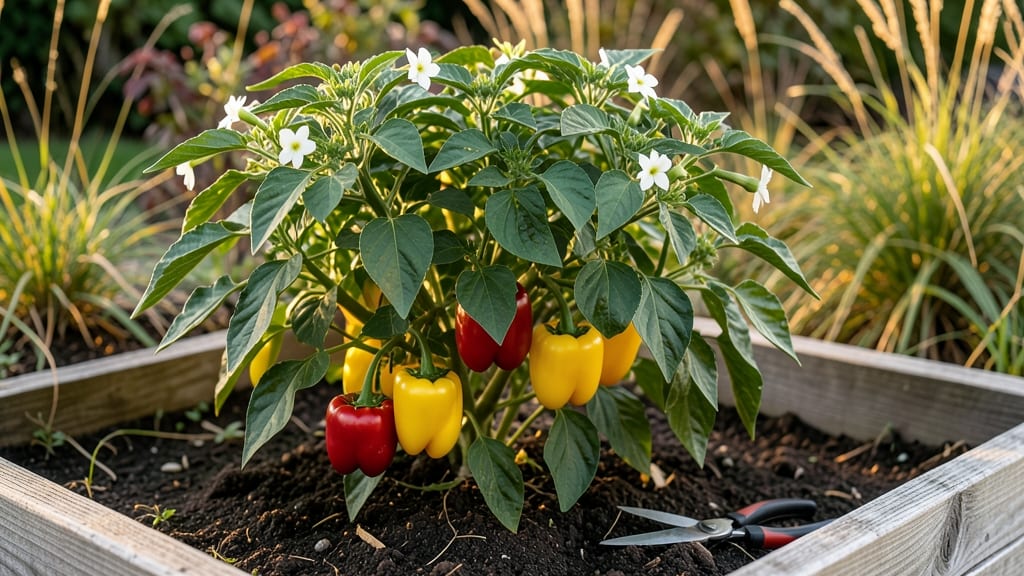
Growing East Indian pepper plants (Piper nigrum) in your vertical garden is like cultivating a tiny, fragrant spice factory right outside your kitchen. 🌿 I’ve watched mine climb a trellis from a single cutting to a lush, vine-covered wall—each leaf a promise of future peppercorns.
The key isn’t just sunlight or soil, but patience, because these vines take time to mature but reward you with bold, aromatic harvests for years.
Start with a well-draining potting mix rich in organic matter, and choose a spot with bright, indirect sunlight (6+ hours daily). East Indian pepper thrives in warm climates (zones 10-11) but can also grow indoors near a sunny window.
Water consistently—keeping the soil evenly moist but not soggy—and expect slow growth at first. The real magic happens when the vines reach 3-4 feet, where they’ll start producing those signature peppercorns.
Prune regularly to encourage bushier growth and better air circulation, and watch for pests like spider mites (they adore dry conditions). A light spray of neem oil keeps them at bay.
By year two, you’ll harvest green peppercorns to dry or use fresh, turning your vertical garden into a flavor powerhouse—no grocery store trip required.
This plant isn’t just for spice lovers; its glossy leaves and climbing habit make it a striking ornamental too. Whether you’re growing for culinary use or just love the idea of a living spice rack, the payoff is worth the wait. Let’s get those vines climbing!
📚 In This Guide
- What you need
- Instructions
- Tips and common mistakes
- Wrapping up and next steps
What you need
- ● Seeds or Seedlings: Option 1: 3–5 organic East Indian pepper seeds (ensure they’re fresh for best germination).
- ● Option 2: 1–2 healthy seedlings (available at specialty nurseries or online).
- ● Growing Containers: 1–2 vertical planters (e.g., wall pockets, hanging baskets, or tiered shelves) with drainage holes.
- ● Minimum depth: 12–18 inches per plant (deeper for mature vines).
- ● High-Quality Potting Mix: 1 bag well-draining, peat-based mix (or blend with perlite/vermiculite for aeration).
- ● Avoid garden soil—it can compact and suffocate roots!
- ● Support Structures: 1–2 trellises, stakes, or netting (for climbing vines; 6–8 ft tall).
- ● Basic Tools: 1 small trowel (for planting/seeding).
- ● 1 spray bottle (for misting seedlings).
- ● 1 pruning shears (for trimming vines).
- ○ Optional (But Helpful!): 1 humidity dome or plastic wrap (to retain moisture during germination).
- ● 1 pH testing kit (ideal soil pH: 5.5–6.5).
- ● 1 fertilizer (balanced 10-10-10 or organic compost tea).
- ● Environmental Needs: Warmth: 70–90°F (peppers thrive in heat!).
- ● Light: Bright, indirect sunlight (6+ hours daily).
- ● Humidity: 60–80% (use a pebble tray or humidifier if needed).
How to grow East Indian pepper plants vertically in small spaces
Here’s how I transform tiny balconies into fragrant spice gardens using this hardy, aromatic vine.
🌱 Step 1: Choose the Right Container and Soil Mix
East Indian pepper plants thrive in well-draining containers with 6+ inches of depth—I use 1-gallon pots for each plant to ensure roots have room to spread. The key is a light, airy potting mix that mimics their native forest floor. I blend 50% premium potting soil, 30% perlite, and 20% coconut coir to prevent compaction. Avoid garden soil—it’s too dense and can suffocate roots.
Fill the pot ¾ full with your mix, then tap gently to settle it without packing it down. The surface should feel loose enough to push a finger in 1 inch deep without resistance. This ensures roots can easily penetrate and breathe. I always add a slow-release fertilizer (like 5-10-5) at this stage—just sprinkle 1 teaspoon per pot and mix it into the top 2 inches of soil.
☀️ Step 2: Plant and Position for Optimal Light
Place 1-2 seeds per pot (just in case) about ½ inch deep—deeper planting delays germination. Cover lightly with soil and mist the surface until damp, but not soggy. I like to use a clear plastic dome or wrap the pot in plastic wrap to retain humidity while seeds germinate. Keep the soil warm (70-75°F) for fastest sprouting—this usually takes 10-14 days.
Once seedlings emerge, remove the dome immediately to prevent fungal issues. Position your pots in bright, indirect light for the first week—direct sun can scorch tender new leaves. After 2 weeks, gradually introduce 4-6 hours of morning sun daily. East Indian pepper plants love warmth but can’t handle harsh afternoon rays, especially in hot climates.
🪴 Step 3: Train Vertically for Space Efficiency
This is where the magic happens: I use bamboo trellises or sturdy wire cages to guide the vines upward. Install your support structure right after planting so the main stem can climb naturally. When the plant reaches 6-8 inches tall, gently tie the main vine to the trellis with soft plant ties (never wire—it can damage stems).
Prune side shoots back to 2-3 leaves when they’re 4-6 inches long to encourage stronger vertical growth. This keeps the plant bushy and productive. I harvest leaves from the lower stems first—this prompts the plant to focus energy on upward growth. Watch for new leaf pairs forming at the nodes; these are your cues to adjust ties as the vine elongates.
💧 Step 4: Water and Fertilize for Maximum Yield
Water when the top 1-2 inches of soil feel dry—this usually means every 3-4 days in warm weather, but adjust based on your microclimate. I water deeply at the base, avoiding the leaves to prevent fungal spores. Overwatering is the #1 killer of pepper plants, so always check moisture before adding more. Yellowing leaves? That’s your signal to cut back.
Feed every 4-6 weeks with a balanced liquid fertilizer (like 10-10-10) diluted to half strength. I also top-dress with compost tea in the growing season to boost flavor and aroma. The secret to potent East Indian pepper? Consistency. A little care goes a long way—these plants reward patience with strong, fragrant foliage perfect for seasoning.
✂️ Step 5: Harvest and Prune for Ongoing Growth
You can start harvesting young leaves as soon as the plant has 6-8 true leaves, but wait until it’s 12+ inches tall for the boldest flavor. Pinch off leaves just above a leaf node with clean scissors—this encourages bushier growth. I harvest every 2-3 weeks during the growing season, never taking more than ⅓ of the plant at once.
In late fall, when growth slows, trim back leggy stems to half their length to rejuvenate the plant. Store pots in a cool (50-60°F), bright location over winter, watering sparingly (every 2-3 weeks). With proper care, your East Indian pepper plant will rebound vigorously in spring, ready for another harvest cycle.
Tips & tricks for growing East Indian pepper plants vertically
Real talk: These aromatic vines can transform your small space into a fragrant spice garden—if you nail a few key details. Here's what nobody tells you about keeping them thriving.
Container Depth Matters: While 1-gallon pots work perfectly, I've found that adding 2-3 inches of gravel or broken terracotta pieces at the bottom of each pot creates better drainage. This prevents root rot, especially during the every 3-4 days watering schedule. The extra depth also gives roots room to establish before they hit the sides of the pot.
Germination Hack: To speed up those 10-14 days of germination, soak your seeds in warm water for 6-8 hours before planting. This mimics natural rainfall and can cut your wait time by nearly half. Just be sure to plant them immediately after soaking—they'll be eager to sprout! The 70-75°F soil temperature is critical here, so consider using a seedling heat mat if your space runs cool.
Light Transition Strategy: That 2-week gradual introduction to morning sun is crucial. I start by placing pots near an east-facing window for just 1 hour per day, then slowly increase by 30 minutes every other day. This prevents leaf scorch while letting the plants acclimate. Watch for new leaves to develop—this is your sign they're ready for more sun exposure.
Winter Care Secret: During the cool (50-60°F) winter storage, I move my pepper plants to a sunny windowsill instead of a dark closet. The bright light prevents leggy growth, and the cooler temperature mimics their natural dormancy period. I also reduce watering to every 2-3 weeks by checking soil moisture with a finger—if it's still damp 1 inch down, wait another week.
Pro Tips for East Indian Pepper Plant
- Real talk: These aromatic vines can transform your small space into a fragrant spice garden—if you nail a few key details.
- Container Depth Matters: While 1-gallon pots work perfectly, I've found that adding 2-3 inches of gravel or broken terracotta pieces at the bottom of each pot creates better drainage.
- Germination Hack: To speed up those 10-14 days of germination, soak your seeds in warm water for 6-8 hours before planting.
Frequently asked questions
Got questions about growing your own East Indian pepper plant (or long pepper)?
You’re not alone—this unique spice is gaining popularity, but it’s still full of surprises! Below, we’ve rounded up the most common questions from gardeners just like you. Whether you’re wondering about timing, care, or troubleshooting, we’ve got the answers to help your vertical spice garden thrive.
How long does it take for an East Indian pepper plant to produce fruit?
Patience is key! East Indian pepper plants typically take 12–18 months to mature and produce fruit from seed. If you’re starting with a young plant, expect flowers (and eventually peppers) within 6–12 months, depending on growing conditions. Warmth, humidity, and consistent care speed up the process—so keep that vertical trellis cozy!
Can I grow East Indian pepper indoors, or does it need outdoor conditions?
you can grow it indoors! This tropical plant thrives in bright, indirect light (like a south-facing window) and needs 60–80% humidity. A grow light helps in winter, and a humidifier or pebble tray mimics its natural environment. Just ensure good airflow to prevent mold—your vertical setup is perfect for this!
Why aren’t my East Indian pepper plant’s leaves turning yellow?
Yellowing leaves usually signal overwatering, underwatering, or nutrient issues. Check the soil—it should be moist but not soggy. If the roots smell rotten, you’re overwatering; if the soil is bone-dry, it’s thirsty. Yellow edges with crispy tips? Low humidity might be the culprit. Adjust care and monitor for pests like spider mites, which love dry conditions.
How is East Indian pepper different from black pepper, and can I substitute it?
East Indian pepper (or long pepper) has a fiery, citrusy kick with hints of pine—much more complex than black pepper’s sharp heat. While they’re not direct substitutes, use it in small amounts (1:3 ratio) for dishes like curries, marinades, or cocktails where you want depth. For baking, stick to black pepper—long pepper’s flavor is too bold!
What’s the best temperature range for growing East Indian pepper plants?
This tropical plant loves warmth year-round, ideally between 70–85°F (21–29°C). Below 60°F (15°C), growth slows, and flowers may drop. If you’re in a cooler climate, grow it as an annual in containers and bring it indoors before frost. A heat mat under pots can give it a boost in chilly months! →
Pro Tip: Harvesting & Storage
Harvest peppers when they’re dry and turning brown (usually 3–4 months after flowering). Store them in a cool, dark place or grind them fresh for maximum flavor. The dried peppers keep for 6–12 months, but ground pepper loses potency faster—so grind small batches!
Wrapping up and next steps
Growing your own East Indian pepper plant is a rewarding way to bring bold, aromatic flavors to your kitchen while maximizing small spaces. Whether you’re a seasoned gardener or a beginner, this vertical spice garden hack makes it simple to cultivate fresh peppers year-round.
Ready to take the next step? Start small—plant a single pot today and watch your culinary adventures grow! 🌱✨
- Pro Tip: Share your harvest with friends or local spice lovers—fresh peppers make unforgettable gifts!
- Next Up: Experiment with companion plants like basil or mint to boost growth and flavor.