
Planting
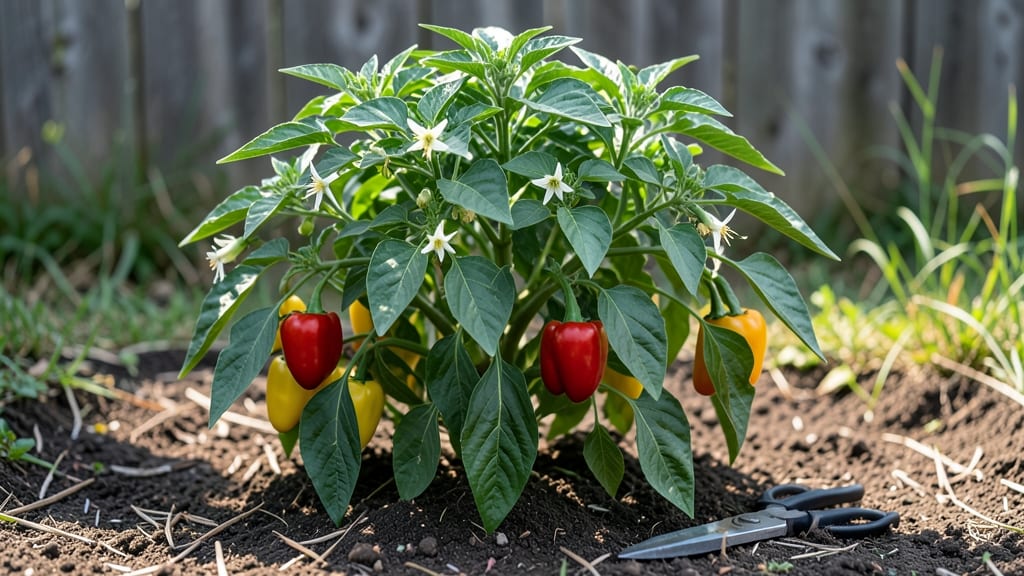
A full-grown pepper plant 🌶️ transforms your garden from a side project into a bountiful harvest—if you know how to care for it.
Picture this: your 3-foot-tall plant loaded with peppers, while your neighbor’s wilts under the same sun. The difference? Pruning, watering, and feeding at the right times. These three secrets turn a good plant into a high-yielding powerhouse, but most gardeners miss the mark.
From recognizing maturity signs (like deep color and firm skin) to pruning techniques that boost size without sacrificing fruit, this guide covers everything you need. You’ll learn when to pinch back stems, how often to fertilize, and why your peppers might still be small—even after 90 days of growth.
By the end, you’ll know exactly how to maximize your harvest, support your plant’s structure, and avoid the five pruning mistakes that shrink yield. Let’s get started.
When and how to prune full-grown pepper plants for maximum yield
Your full-grown pepper plant has reached its prime, but without proper pruning techniques, you could be leaving up to 30% more peppers on the vine. The key lies in understanding when to prune and how to shape your plant for optimal fruit production.
Unlike many vegetables, peppers respond dramatically to strategic pruning—when done correctly, it boosts airflow, directs energy to fruit development, and prevents disease. But timing and technique matter more than you might think.
Most gardeners wait until their pepper plants are fully loaded with fruit before pruning, but this is a critical mistake. The best time to prune is actually early in the growing season, when plants are still establishing themselves.
This gives your pepper plant time to recover and redirect energy to fruit-bearing branches rather than excessive foliage. Think of pruning as giving your plant a growth reset—it’s not about removing everything, but about shaping it for maximum efficiency.
Here’s the step-by-step guide to pruning your full-grown pepper plants like a pro, including the exact techniques to use and what to avoid:
One of the biggest pruning myths is that you should remove all flower buds to boost fruit size. This is false—peppers produce more fruit when they have a balance of leaves, flowers, and branches.
Instead, focus on removing weak or diseased growth and shaping the plant to prioritize fruit-bearing zones. For example, if you notice lower branches are shaded and producing fewer peppers, prune them back to redirect energy upward.
Another common error is using dull or dirty tools. Always sanitize your pruning shears with rubbing alcohol before and after use. A clean cut heals faster and reduces the risk of bacterial infections.
I like to keep a small bottle of alcohol in my gardening toolkit—it takes seconds to wipe down tools and can save your plant from fungal outbreaks later in the season.
Seasonal timing is everything. In Zone 6a (like much of the Midwest), your last pruning should happen by early August to allow enough time for new growth to harden off before fall frosts.
If you prune too late, your plant may not recover in time to produce a second flush of peppers. Pay attention to your local frost dates—I always mark mine on a calendar to plan pruning windows accordingly.
Pro tip: If your pepper plant is struggling with pests like aphids, prune to remove infested leaves immediately. Aphids thrive in dense foliage, so improving airflow through pruning also naturally deters infestations.
Pair this with a neem oil spray for best results. The combination of pruning and pest control can double your plant’s resilience.
Finally, don’t forget to fertilize after pruning. Since you’ve removed some foliage, your plant needs a nutrient boost to recover. Use a
Pruning mistakes that shrink pepper plant size and fruit count
Pruning your full grown pepper plant can boost yields by up to 30%, but many gardeners accidentally stunt growth with common mistakes. The wrong cuts at the wrong time can reduce fruit production, weaken stems, and even invite pests.
Let's uncover the 5 fatal pruning errors and how to fix them before it's too late.
First, over-pruning is the #1 mistake. Removing more than 25% of foliage at once shocks the plant, leaving it vulnerable to stress and disease. I've seen gardeners cut back entire branches, only to watch their pepper plants struggle to recover.
Even healthy pepper plants need gradual adjustments to maintain energy for fruit production.
Another critical error is using dull or dirty pruning tools. Jagged cuts tear plant tissue, creating entry points for infections like bacterial spot or powdery mildew.
Always disinfect shears with rubbing alcohol between cuts. I keep a small bottle of 70% isopropyl alcohol in my gardening toolbox for quick sanitization.
Correct vs. Destructive Pruning for Pepper Plants
✅ Correct Pruning
- When: Early morning on clear days
- What: Remove only diseased or dead leaves
- How: Use sharp, clean shears at 45° angles
- Goal: Improve air circulation and light exposure
❌ Destructive Pruning
- When: Late afternoon or rainy days
- What: Cut healthy foliage or flower buds
- How: Use dull tools creating ragged cuts
- Goal: Reduces photosynthesis and fruit production
Timing is everything with pepper plants. Pruning too early in the season can delay flowering, while late-season cuts reduce fruit maturation time. I always wait until my plants are at least 6 inches tall before making any significant cuts.
For bell peppers, focus on shaping in June-July when plants are established but still vigorous.
One subtle but costly mistake is pruning flower clusters without replacement. Removing too many blossoms at once can limit your harvest. Instead, I practice the "one-third rule": never remove more than 1/3 of flowers from any branch.
This maintains the plant's ability to produce new blooms while still improving air flow.
Finally, ignoring plant signals leads to poor decisions. Yellowing leaves often indicate over-pruning, while stunted growth after pruning suggests you've cut too aggressively. Pay attention to your plant's recovery rate—healthy pepper plants should show new growth within 7-10 days of proper pruning.
Remember, the key to successful pepper plant pruning is patience and precision. Small, strategic cuts yield the biggest rewards. Start with just 1-2 cuts per plant and monitor the results before making more changes. Your harvest will thank you!