
Plants
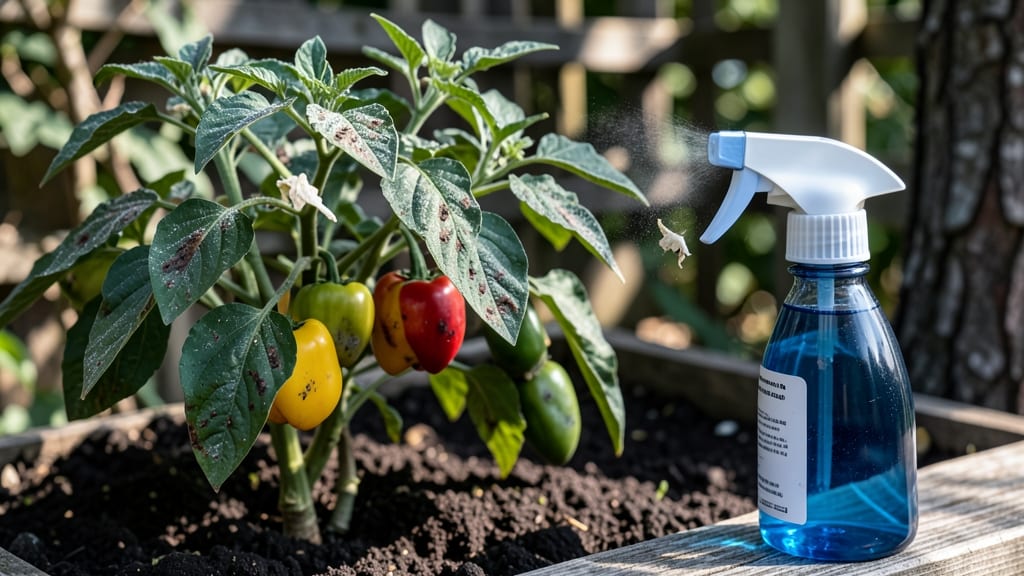
Fungus on pepper plants can turn your harvest from plentiful to pitiful in days—unless you act fast. 🌱 I’ve watched my own peppers go from vibrant green to spotted and wilted, but these organic remedies saved them every time.
The key is catching it early and treating the right way, whether it’s powdery mildew, early blight, or root rot.
Most fungal issues start with excess moisture—either from overhead watering or poor airflow. I learned the hard way that peppers need 2-3 inches of spacing between plants and water at the base, never the leaves.
Once you spot those telltale white or brown spots, it’s time to act before the fungus spreads to your entire crop.
You’ll be able to revive your plants with simple organic fixes like neem oil, copper fungicide, or even a baking soda spray. The best part? These methods work without harsh chemicals, so you can still eat what you grow.
Within 7-10 days, you’ll see new growth pushing through, and your peppers will be back on track.
Prevention is easier than cure—rotate crops yearly, remove infected leaves immediately, and mulch to keep soil dry. Trust me, once you master this, your pepper harvest will be stronger and more reliable than ever before.
Root Causes of Plant Fungus
Fungal infections on pepper plants don’t just appear out of nowhere—they’re the result of a perfect storm of environmental and cultural factors. Understanding these triggers is the first step to prevention.
Below, we break down the core reasons why fungi like powdery mildew, leaf spot, or damping-off take hold, along with the science behind each cause.
Fungi thrive in damp, stagnant conditions because spores need moisture to germinate and spread. Pepper plants, especially in greenhouses or dense plantings, create microclimates where humidity lingers near 100% for prolonged periods. Here’s why this happens:
- Condensation Buildup: Greenhouses or plastic tunnels trap heat during the day and cool at night, causing water droplets to form on leaves—a fungal buffet.
- Overcrowded Plants: When peppers grow too close, airflow is restricted, leaving shaded, damp leaf surfaces where fungi like Phytophthora or Alternaria flourish.
- Irrigation Mistakes: Overhead watering (especially late in the day) keeps foliage wet for hours, giving fungi a 24-hour head start.
💡 Pro Tip: Space plants 18–24 inches apart and water at soil level in the morning to let leaves dry quickly.
Healthy pepper plants have natural antifungal compounds, but stress weakens their resistance. Common stressors include:
- Nutrient Deficiencies: Low phosphorus or calcium (key for cell wall strength) makes plants more susceptible to fungal invasion. - Physical Damage: Pruning wounds, hail, or pest bites create entry points for spores.
Even sunscald (from intense afternoon sun) can stress plants. - Over-Fertilization: Too much nitrogen promotes lush, soft growth that’s easier for fungi to penetrate.
🔥 Action Step: Use a balanced fertilizer (10-10-10) and avoid heavy nitrogen. Prune carefully with sterilized shears to prevent infections.
Fungi like Fusarium or Pythium lurk in the soil, waiting for the right moment to strike. Contamination happens through:
- Infected Plant Debris: Leaving old pepper stems, leaves, or diseased plants in the soil overwinters spores, ready to reinfect new plants.
- Reusing Contaminated Soil: If previous crops had fungal issues, the soil may still harbor dormant spores that activate with moisture.
- Poor Drainage: Waterlogged soil starves roots of oxygen, weakening plants and inviting root-rot fungi like Phytophthora capsici.
✨ Prevention Hack: Solarize soil in late summer (cover with clear plastic for 4–6 weeks) to kill pathogens before planting. Or amend soil with compost + perlite to improve drainage.
Fungi don’t discriminate—they follow the forecast. Key weather patterns that encourage outbreaks:
- Cool, Wet Springs: Temperatures 60–80°F (15–27°C) with frequent rain are ideal for leaf spot and downy mildew.
- Sudden Temperature Shifts: Peppers stressed by late frosts or heatwaves are more vulnerable to fungal attacks.
- High Rainfall + Wind: Splashing water from rain spreads spores from soil to leaves, while wind carries powdery mildew between plants.
🎯 Long-Term Fix: Choose fungus-resistant pepper varieties (e.g., ‘Aristotle’ or ‘Carmen’) and plant in well-drained, slightly elevated beds to reduce soil splash.
Even with ideal conditions, fungi can take hold if you’re not proactive. Common oversights include:
- Ignoring Early Signs: Yellowing leaves or white powder (powdery mildew) are red flags—waiting until plants are severely infected makes treatment harder.
- Skipping Crop Rotation: Planting peppers (or nightshades like tomatoes) in the same spot yearly lets soilborne fungi build up.
- Using Infected Tools/Water: Pruners, trellises, or even rainwater barrels can harbor spores if not cleaned.
🔪 Quick Fix: Disinfect tools with 1 part bleach to 9 parts water, and rotate crops every 3 years to break fungal cycles.
Fixing Fungus on Pepper Plants
Fungus on your pepper plants can feel like a nightmare, but don’t panic—there are organic, effective ways to tackle the problem and restore your garden’s health.
Below, we break down targeted solutions based on the most common causes, from overwatering to poor airflow, along with prevention tips to keep future outbreaks at bay.
If your peppers are soggy from excess moisture, fungal spores thrive like party guests. Fix it fast with these steps:
- 🔥 Adjust Your Watering Routine
- Water deeply but infrequently—aim for 1–1.5 inches per week (including rain).
- Morning is best—wet foliage dries faster, reducing fungal growth.
- Use a soaker hose or drip irrigation to avoid wetting leaves.
- 🏗️ Boost Soil Drainage
- Amend heavy clay soil with compost, perlite, or coarse sand to improve airflow.
- Raise beds or use containers if drainage is chronically poor.
- 🌡️ Mulch Strategically
- Apply straw or wood chips (2–3 inches) to retain moisture without suffocating roots.
- Avoid thick mulch piles near stems—this traps moisture and invites rot.
💡 Pro Tip: If your soil stays damp for days after watering, it’s time to test and fix drainage—fungus won’t stand a chance in well-aerated soil!
Fungus loves humid, cramped spaces. Give your peppers breathing room with these fixes:
- 🍳 Prune for Better Airflow
- Remove overlapping leaves or branches to let sunlight and air circulate.
- Thin out plants if they’re too close—peppers need 18–24 inches of space between them.
- 👨🍳 Adjust Planting Layout
- If growing in rows, space plants wider or use a staggered pattern.
- Vertical gardening (trellises for bush peppers) lifts foliage away from damp soil.
- ⏰ Fan It Out (Literally!)
- Place a small oscillating fan on low speed near plants for 10–15 minutes daily.
- This mimics natural wind, drying leaves faster and deterring spores.
✨ Bonus: Interplant peppers with marigolds or basil—these act as natural fungicides and improve airflow.
If you’ve already spotted powdery mildew, black spot, or blight, act now with these non-toxic fixes:
| Fungus Type | DIY Treatment | How to Apply |
|---|---|---|
| Powdery Mildew | Baking Soda Spray (1 tsp baking soda + 1 quart water + few drops of soap) | Spray early morning, avoid direct sun. Repeat every 7–10 days. |
| Black Spot | Neem Oil Mix (1 tbsp neem oil + 1 tsp mild soap + 1 quart water) | Apply weekly until new growth appears. |
| Blight (Early/Late) | Copper Fungicide (organic spray) or Milk Spray (1 part milk to 9 parts water) | Spray every 5–7 days for prevention. |
- 🔪 Remove Infected Parts Immediately
- Snip off yellowed or spotted leaves and dispose of them in the trash (not compost).
- Sterilize pruners with rubbing alcohol between cuts.
- 🌿 Strengthen Plant Immunity
- Feed with compost tea or fish emulsion (diluted) for a nutrient boost.
- Silica-rich sprays (like liquid kelp) help build fungus-resistant cell walls.
🎯 Prevention Rule: Once you’ve treated, keep spraying preventatively for 4–6 weeks to stop reinfection.
Stop fungus before it starts with these garden habits:
- 🌱 Choose Resistant Varieties
- Opt for ‘Aristotle,’ ‘Carmen,’ or ‘Jupiter’ peppers—they’re bred to resist common diseases.
- 🌡️ Monitor Humidity
- Keep humidity below 70% with dehumidifiers in greenhouses or shade cloth in hot climates.
- 🔄 Rotate Crops
- Avoid planting peppers in the same spot yearly—fungus spores linger in soil.
- 🍂 Clean Up Debris
- Remove old plant matter, weeds, and fallen leaves at season’s end to starve fungal spores.
Final Thought: Fungus on peppers is manageable—it just takes consistent care. Start with one fix (like improving drainage or pruning), then layer in preventative habits. Your peppers will bounce back stronger and healthier than ever! 🌱💪
Frequently asked questions
What are the first signs of fungus on pepper plants?
Look for white powdery patches (powdery mildew), dark brown/yellow spots (leaf spot), or yellowing leaves that eventually turn crispy. On stems, check for black or gray mold—this could be anthracnose. The key is acting fast when you see just a few spots, not waiting for the whole plant to look sick.
Can I still harvest peppers if fungus is present?
Yes, but remove only the infected fruit—never harvest from plants with severe fungal issues. If peppers are already ripe and healthy, you can pick them, but avoid touching infected leaves. For future harvests, focus on preventing spread by treating the plant immediately and removing all diseased foliage.
How often should I spray neem oil for prevention?
Apply a neem oil spray every 7–10 days during peak growing season (spring to early fall) to prevent fungal outbreaks. For treatment, spray weekly for 3–4 weeks until new growth appears. Always mix with a drop of mild soap to help it stick to leaves—just avoid spraying when temperatures exceed 90°F.
Will baking soda really work for powdery mildew?
Mix 1 teaspoon baking soda with 1 quart water and a few drops of soap, then spray on leaves in the early morning. The baking soda raises the pH slightly, making it harder for fungi to thrive. Repeat every 7–10 days until the mildew disappears—it’s a safe, non-toxic solution that works best in humid conditions.
What’s the best way to clean my garden tools to prevent spreading fungus?
Disinfect tools with a 1:9 bleach-to-water solution (or 70% rubbing alcohol) after each use, then rinse and dry. Store tools in a dry place between uses, and avoid leaving them in damp soil or mulch. For extra protection, wipe down handles with vinegar before and after gardening sessions.