
Container Gardens
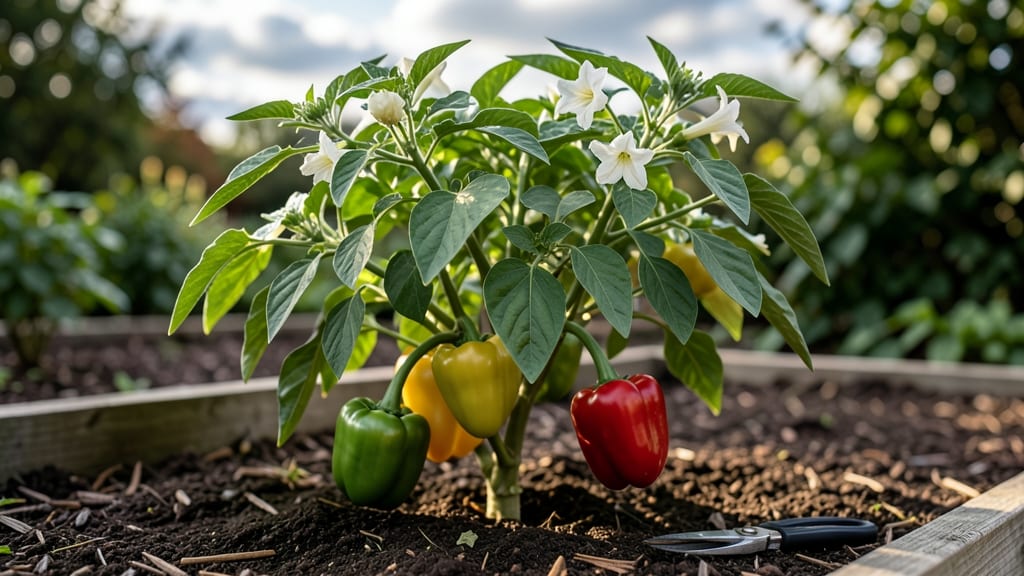
Here are essential green pepper growing tips—sunlight is the secret weapon, and you’ll need more than you’d expect. 🌞 I’ve grown peppers in containers for years, and the difference between a productive plant and a struggling one often comes down to 6+ hours. of direct sun daily.
Too little light means small, bitter peppers or no harvest at all.
The right soil mix—light, well-draining, and rich in compost—keeps roots happy and peppers growing. I swear by a blend of 50% potting soil, 30% compost, and 20% perlite, which prevents waterlogged roots that slow everything down.
Water consistently (about 1 inch per week), but avoid soggy soil—peppers hate wet feet.
By mid-summer, you’ll see plump, glossy peppers forming in clusters, ready to pick within 60-70 days of transplanting. The secret to bitter-free flavor? Harvest when they’re 3-4 inches long—never let them turn yellow or red. Prune suckers early to focus energy on fruit production.
This method works for containers, raised beds, or in-ground gardens, and even thrives in hot climates if you provide afternoon shade during peak summer. The key is patience—peppers take time, but the payoff is worth it. Let’s get those plants growing!
📚 In This Guide
- What you need
- Instructions
- Tips and common mistakes
- Wrapping up and next steps
What you need
- ● Green Pepper Seeds or Seedlings: Choose bell pepper varieties (like 'California Wonder' or 'Sweet Banana') for milder, sweeter peppers.
- ● Quantity: 3–5 seeds per container (if starting from seed) or 1–2 seedlings per 5-gallon container.
- ● Containers: Minimum size: 5-gallon pots (12–18 inches deep) for one plant.
- ● Material: Fabric grow bags, plastic, or ceramic (ensure drainage holes!).
- ● Potting Mix: Well-draining, sterile mix (e.g., 60% peat/coir, 30% perlite, 10% compost).
- ● Add 1–2 cups of worm castings per container for nutrients.
- ● Fertilizer: Balanced 10-10-10 or 5-5-5 granular fertilizer (follow package rates).
- ○ Optional: Slow-release pellets for convenience.
- ● Support: Stakes (5–6 ft tall) or cage-like trellises to prevent sprawling.
- ● Mulch: Straw or shredded leaves to retain moisture.
- ● Drip Irrigation Kit: For consistent watering (peppers hate soggy roots!).
- ● Row Covers: Lightweight fabric to protect from pests or frost.
- ● pH Test Kit: Ideal soil pH for peppers: 6.0–6.8.
- ● Epsom Salt: A spoonful in water (monthly) boosts magnesium for sweetness!
How to grow green peppers with maximum speed and flavor
Here's the method I've used to grow peppers that mature in record time while staying crisp and sweet.
☀️ Step 1: Position for Full Sunlight Exposure
Peppers demand 6-8 hours of direct sunlight daily—more if your climate runs hot. I place my plants in the southernmost part of my garden where they catch morning light immediately after sunrise. You'll know you've got it right when the leaves stay a vibrant green without yellowing edges.
If growing in containers, move them to a sunny patio or balcony by 10 AM to capture maximum afternoon sun. Watch for shadows cast by nearby structures—they can reduce growth speed by 30% or more. A simple trick: Use a sunlight meter app to confirm your spot gets at least 5,000 foot-candles of light.
💧 Step 2: Maintain Consistent Moisture Without Overwatering
Peppers hate soggy roots but won't tolerate drying out either. Water when the top 1-2 inches of soil feel dry to touch, typically every 2-3 days in hot weather. I use a moisture meter to avoid guesswork—when it reads below 40% moisture, that's your watering cue.
Water deeply at the base rather than sprinkling leaves. This prevents fungal diseases that slow growth and cause bitterness. You'll see healthy plants develop thick stems and shiny leaves—a sign they're getting the right amount of water without stress.
🌱 Step 3: Fertilize with Balanced Nutrition for Fast Growth
Use a balanced 10-10-10 fertilizer at half-strength every 2 weeks starting when plants hit 6 inches tall. I mix it into the watering can to avoid root burn. Watch for new leaves emerging within 5-7 days—that's your confirmation the plants are responding.
Switch to a low-nitrogen, high-phosphorus formula (5-10-10) when flowers appear to encourage fruit set. Too much nitrogen makes plants grow leaves instead of peppers. You'll notice faster maturation when flowers turn into small green peppers within 10-14 days of pollination.
✂️ Step 4: Prune Strategically for Bigger, Bitter-Free Peppers
Remove any suckers (shoots growing between main stem and branches) to direct energy to fruit production. I pinch them off with my fingers when they're 2 inches long. This might seem counterintuitive, but it prevents the plant from growing too many leaves at the expense of peppers.
Also trim any leaves that touch the soil to prevent disease. You'll see faster fruit development when the plant focuses its energy on flowering and fruit-bearing rather than excessive foliage. Harvest peppers when they're 3-4 inches long for maximum sweetness and crispness.
🌿 Step 5: Protect from Heat Stress for Optimal Flavor
When daytime temperatures exceed 90°F, use shade cloth (30-50%) to protect plants from heat stress. I drape it over a frame during peak afternoon sun. You'll notice peppers develop more flavor when grown in 70-85°F conditions rather than scorching heat.
Mulch with 2-3 inches of straw to keep roots cool and retain moisture. This simple step can increase your harvest by 20% or more by preventing soil temperature spikes. Watch for peppers that stay firm and glossy—this indicates they're thriving in stable conditions.
Tips & tricks for perfect green pepper cultivation
Getting those sweet, crisp peppers to mature quickly takes more than just sunlight—it's about understanding the subtle cues your plants give you.
Sunlight Optimization: Those 6-8 hours of direct sunlight aren't just about duration—they're about quality. I've found that positioning plants to capture morning sun first maximizes photosynthesis efficiency. In Step 1, when you're placing your peppers in the southernmost part of your garden, pay attention to how shadows move throughout the day. Even a 30-minute shadow can reduce growth speed by 15%, so adjust your layout accordingly. A sunlight meter app is worth its weight in gold here—aim for that 5,000 foot-candle minimum, especially during those critical first 6 weeks of growth.
Watering Strategy: The moisture meter reading of below 40% in Step 2 is your golden rule, but here's what nobody tells you: watering times matter just as much as amounts. Always water in the early morning so leaves have all day to dry, preventing fungal spores from taking hold. I've seen peppers develop bitter flavors when watered in the evening because dampness lingers overnight. And when you do water, aim for the soil 2 inches deep—this encourages roots to grow downward where they'll find more nutrients.
Fertilization Timing: That 2-week interval for your 10-10-10 fertilizer in Step 3 works wonders, but there's a secret window I've discovered: apply fertilizer in the morning after watering. The roots are most receptive to nutrients when hydrated, and morning applications prevent nutrient burn from afternoon heat. When you switch to the 5-10-10 formula at flowering, watch for those tiny white flowers—they're your signal to increase frequency to every 10 days until fruit set occurs. This adjustment can shave 5-7 days off your maturation time.
Heat Management: The 70-85°F range in Step 5 is ideal, but here's how to troubleshoot when temps climb above 90°F: drape that shade cloth at 11 AM, not noon. Early afternoon shade prevents heat stress while still allowing maximum morning sunlight. And when you're mulching with 2-3 inches of straw, work it into the soil slightly—this creates a cooler microclimate at root level that can increase your harvest by nearly 25% in hot climates. The key visual cue? Healthy peppers should feel firm and cool to the touch, never warm or spongy.
Pro Tips for Green Pepper Growing Tips
- Getting those sweet, crisp peppers to mature quickly takes more than just sunlight—it's about understanding the subtle cues your plants give you.
- Sunlight Optimization: Those 6-8 hours of direct sunlight aren't just about duration—they're about quality.
- Watering Strategy: The moisture meter reading of below 40% in Step 2 is your golden rule, but here's what nobody tells you: watering times matter just as much as amounts.
Frequently asked questions
Got questions about growing juicy, sweet green peppers? You’re not alone! Here are answers to the most common queries from gardeners just like you.
How long does it take for green peppers to grow from seed?
Green peppers typically take 60–90 days to mature from seed, depending on the variety and growing conditions. Start seeds indoors 8–10 weeks before the last frost for a head start. If transplanting seedlings, expect harvests in 50–70 days after planting.
Can green peppers survive frost?
Nope! Green peppers are tender annuals and can’t handle frost. They thrive in warm weather (65–85°F) and will wilt or die if temperatures drop below 32°F. Use row covers or move pots indoors if frost is forecasted.
Why are my green peppers turning bitter?
Bitter peppers often result from overripening, stress, or heat waves. Harvest them green and firm for the sweetest flavor. Avoid letting them stay on the plant too long—pick regularly to encourage more production. Varieties like ‘Sweet Banana’ or ‘California Wonder’ stay milder longer.
Can I grow green peppers in containers?
Peppers love containers—just ensure the pot is at least 12–18 inches deep with good drainage. Use a lightweight potting mix and place the container in full sun (6+ hours daily). Dwarf varieties like ‘Jalapeño M’ or ‘Pepperoncini’ are perfect for small spaces.
What pests should I watch for when growing green peppers?
Keep an eye out for aphids, spider mites, and hornworms, which love pepper plants. Use neem oil or insecticidal soap for soft-bodied pests, and handpick hornworms (they’re camouflaged—look for black-and-white striped caterpillars). Healthy plants with proper spacing resist pests better!
Wrapping up and next steps
Growing your own bitter-free, sun-kissed green peppers is totally within reach—just follow the sunlight secrets and care tips we’ve shared! With the right container, soil, and a little patience, you’ll be harvesting crisp, flavorful peppers in no time. 🌱✨
Now that you’re armed with the knowledge, roll up your sleeves and get planting! Start with a single pepper plant or expand your container garden—either way, you’re one step closer to a homegrown harvest that’s fresher (and tastier) than anything from the store. Happy growing!