
Size
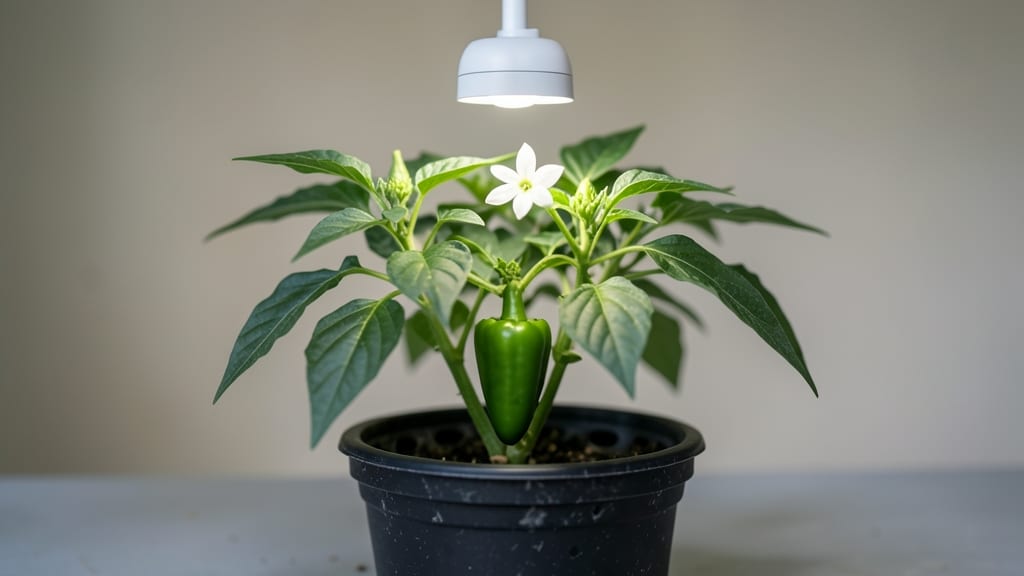
Growing jalapeño peppers indoors delivers fresh, fiery heat anytime—no summer garden required. 🌱 I’ve turned my kitchen windowsill into a spice factory using nothing but a grow light and a 5-gallon pot.
The key isn’t fancy equipment, but matching their tropical roots with just the right balance of light, warmth, and patience.
Start with a 5-7 gallon container (jalapeños need room to stretch) and a well-draining soil mix—think cactus/succulent blend with compost. Place seedlings under a 12-14 hour grow light (LED bulbs work best) just 6 inches away.
Too close? They’ll scorch. Too far? They’ll stretch like sad office plants. Test with your hand—if it’s warm but not hot, you’re golden.
By week 6, you’ll spot those first tiny white flowers—proof the plant is happy. Hand-pollinate with a paintbrush if your indoor air feels too still, and watch for bright green peppers in 8-10 weeks.
The heat? That comes from letting them ripen fully on the plant—red jalapeños pack 2-3x the spice of green ones.
Humidity’s the trickiest part: group plants together, mist leaves daily, or use a pebble tray. Pests? Check soil moisture—overwatering invites fungus gnats. Underwatering? Peppers pucker up like they’re holding back tears. Master this, and you’ll harvest dozens of peppers in a space smaller than a microwave.
📚 In This Guide
- What you need
- Instructions
- Tips and common mistakes
- Wrapping up and next steps
What you need
- ● Jalapeño seeds or seedlings: 3–5 plants (choose heat-tolerant varieties like 'Early Jalapeño' or 'Red Streak').
- ● Containers: 5–10 gallon pots (with drainage holes) or a raised bed (at least 12" deep).
- ● Well-draining potting mix: 5–10 lbs (look for a blend labeled for vegetables or peppers).
- ● Grow lights: 1–2 full-spectrum LED lights (12–16" above plants) or a sunny south-facing window (if natural light is strong).
- ● Fertilizer: Balanced liquid fertilizer (10-10-10 or 5-5-5) or organic options like compost tea.
- ● Support: Small stakes or cages (for taller plants).
- ● Watering can or spray bottle: With a gentle spray nozzle.
- ● Self-watering system (to maintain moisture).
- ● Humidity tray or pebble tray (for dry climates).
- ● Soil moisture meter (to avoid over/under-watering).
- ● Pollination aid (like a small paintbrush) if growing indoors long-term.
Step-by-step instructions for growing jalapeño peppers indoors
Here's how I grow fiery jalapeños in small spaces—no greenhouse needed.
🌱 Step 1: Start Seeds in Warm, Sterile Soil
Fill a 4-inch deep seed tray with sterile potting mix (never garden soil—it’s too dense). Moisten it until damp but not soggy, then press seeds ¼ inch deep—about twice their size. I use a toothpick to make small holes for precision. Cover with a humidity dome or plastic wrap to trap warmth.
Keep the tray in a spot that stays 75-85°F—a seedling heat mat works wonders if your home runs cooler. Germination takes 7-14 days, but don’t rush it: patience here means stronger plants later. Once sprouts appear, remove the dome immediately to prevent fungal rot.
☀️ Step 2: Provide 14+ Hours of Bright Light Daily
Jalapeños need full sun, and indoor windows rarely deliver enough. I use a full-spectrum LED grow light on a timer for 14-16 hours daily. Position it 4-6 inches above the seedlings and raise it as they grow. Without enough light, stems stretch weak and pale—a sure sign of legginess.
Rotate the tray quarter-turn daily so plants grow straight, not lopsided. You’ll notice leaves darkening and stems thickening within a week of proper light. If you see yellowing between veins, that’s nutrient deficiency—time to fertilize lightly with a balanced liquid feed.
🪴 Step 3: Transplant to Individual Pots
When seedlings have 3-4 true leaves (not just the initial seed leaves), move them to 5-7 inch pots with fresh potting mix. Bury stems up to the first set of leaves—this encourages root growth along the buried stem. Water gently until moisture runs from the drainage holes, then let excess drain away.
Use pots with drainage holes and place a saucer underneath to catch runoff. Overwatering now will drown roots before they establish. After transplanting, place plants back under grow lights for 1-2 weeks to reduce shock. You’ll see new growth within 5-7 days if they’re thriving.
✂️ Step 4: Prune and Support for Maximum Heat
When plants reach 12-18 inches tall, prune the lower leaves to improve airflow and reduce disease risk. I also tie stems to small stakes for support—jalapeños get heavy with fruit. Pinch off the first few flowers if you want bushier plants, but leave later blooms for peppers.
Fertilize every 2-3 weeks with a balanced 10-10-10 mix diluted to half strength. Stop fertilizing when peppers start forming—too much nitrogen now means leafy growth, not heat. Harvest when peppers reach 2-3 inches long for maximum spice.
💧 Step 5: Maintain Consistent Heat and Humidity
Jalapeños thrive at 70-85°F during the day and 60-70°F at night. If your home dips below 65°F, supplement with a small space heater near the plants. Keep humidity around 50-60%—too dry and peppers turn bitter.
Water when the top inch of soil feels dry, but never let pots sit in water. Yellowing leaves often mean overwatering, while crispy edges signal underwatering. With the right light, warmth, and care, you’ll harvest 4-6 peppers per plant—each packed with bold heat.
Tips & tricks for growing bold indoor jalapeños
These practical insights will help you transform your indoor space into a pepper-growing powerhouse—no gardening experience required.
Germination Precision: The 7-14 day germination window can feel like an eternity, but consistency is key. I've found that maintaining that 75-85°F temperature range by placing the seed tray on top of a refrigerator (not inside) creates the perfect microclimate without needing expensive equipment. Once those first green shoots appear, remove the humidity dome immediately—leaving it on risks fungal infections that can kill seedlings before they even get started.
Lighting Strategy: That 14-16 hour daily light requirement might seem daunting, but I've mastered it using a simple timer on my grow light. Position it 4-6 inches above the seedlings at first, then raise it weekly as they grow. The quarter-turn daily rotation isn't just about straight growth—it's also how you'll spot nutrient deficiencies early. Yellowing between veins? That's your cue to fertilize lightly with a balanced feed.
Transplanting Technique: When moving to those 5-7 inch pots, burying stems up to the first leaves might seem counterintuitive, but it works wonders. This buried section grows roots along its length, creating a stronger plant. After transplanting, the 1-2 week recovery period under lights is critical—don't rush it. I've seen plants that looked perfect after transplanting but failed because we moved them too soon.
Harvest Timing: Those 2-3 inch peppers pack maximum heat, but don't wait too long—they'll turn bitter as they mature. I harvest mine when they're still firm and glossy, typically 60-75 days after transplanting. The first harvest is always the sweetest reward for all that patience and care.
Pro Tips for Grow Jalapeno Peppers Indoors
- These practical insights will help you transform your indoor space into a pepper-growing powerhouse—no gardening experience required.
- Germination Precision: The 7-14 day germination window can feel like an eternity, but consistency is key.
- Lighting Strategy: That 14-16 hour daily light requirement might seem daunting, but I've mastered it using a simple timer on my grow light.
Frequently asked questions
Got questions about growing fiery jalapeños indoors? You’re not alone—here’s what you need to know to keep your plants thriving and your kitchen spicy!
How much sunlight do jalapeños need indoors?
Jalapeños crave at least 6–8 hours of bright, direct sunlight daily. Without it, they’ll grow leggy or produce weak peppers. Use a south-facing window or supplement with a grow light (LED or fluorescent) 12–16 inches away for 12–14 hours/day. Rotate pots weekly for even growth!
How long does it take to grow jalapeños indoors?
From seed to harvest, expect 3–4 months (90–120 days). Seedlings sprout in 7–14 days, and peppers form 60–80 days after transplanting. Patience pays off—harvest before they turn red for classic green jalapeños or wait for red/orange for extra heat!
Can I grow jalapeños indoors without a greenhouse?
Skip the greenhouse and use container gardening with these tips:
- Containers: 5-gallon pots (or larger) with drainage holes.
- Soil: Well-draining potting mix (add perlite for aeration).
- Light: Grow lights or a sunny windowsill.
- Heat: Keep temps between 70–85°F (use a heat mat if needed).
Why are my indoor jalapeño leaves turning yellow?
Yellow leaves usually signal overwatering, nutrient deficiency, or pests. Check these fixes:
- Watering: Let soil dry 1–2 inches between waterings (stick your finger in!).
- Nutrients: Feed with balanced fertilizer (10-10-10) every 2–3 weeks.
- Pests: Inspect for aphids or spider mites—spray with neem oil if needed.
How spicy will my indoor jalapeños be?
Indoor-grown jalapeños can pack 2,500–8,000 Scoville heat units (SHU), but factors like light, heat, and soil affect flavor. For hotter peppers:
- Let them ripen fully (red/orange = more capsaicin).
- Use organic fertilizer (like compost tea) for depth.
- Avoid overcrowding—stress = milder peppers.
Wrapping up and next steps
Growing jalapeño peppers indoors isn’t just possible—it’s rewarding! With the right setup, a little patience, and your newfound sunlight hack, you’ll soon be harvesting fiery, homegrown peppers year-round.
Whether you’re a seasoned gardener or a curious beginner, this project is a fun way to add fresh, spicy flavor to your kitchen.
Ready to take the next step? Start small—pick a sunny spot, gather your supplies, and plant those seeds! Soon, you’ll be enjoying the sweet satisfaction of homegrown heat. 🌱🔥