
Container Gardens
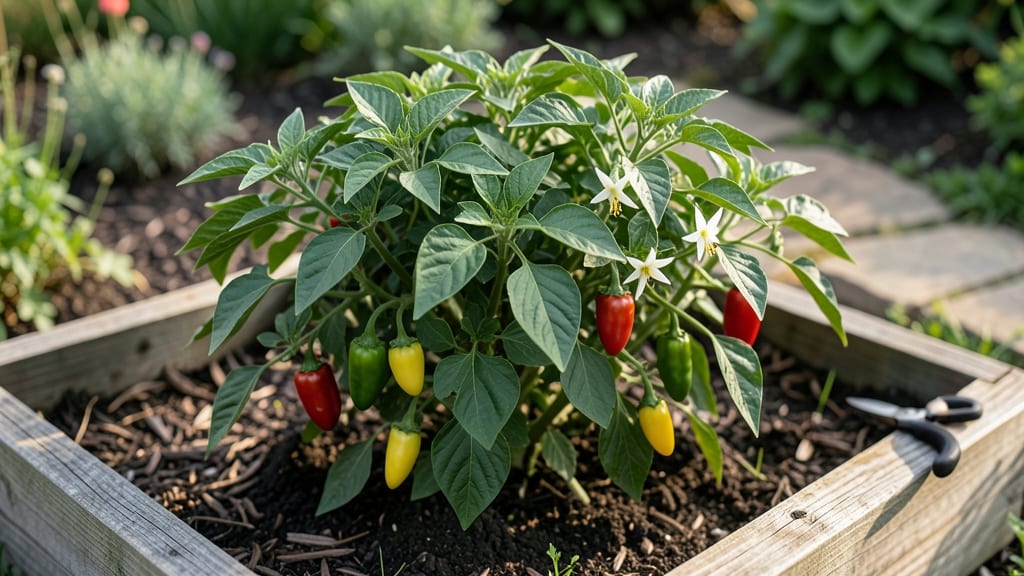
Growing peppers and chillies in limited space just got easier. 🌱 The secret isn’t more square footage—it’s stacking plants vertically so you can grow heat-loving varieties even in small yards or balconies.
I’ve turned my 6-foot patio into a spice factory using simple trellises and hanging pots, and you can too. Start with the right containers: deep pots (at least 10 inches) for peppers and 6-inch pots for chillies, with drainage holes.
Use a mix of 50% potting soil and 50% compost—peppers and chillies crave nutrient-rich, well-draining soil. Place them where they’ll get 6-8 hours of sunlight daily, and keep the soil moist but never soggy.
By mid-summer, you’ll be harvesting bright red bell peppers, fiery habaneros, or sweet banana peppers—all from the same vertical space. The key is pruning regularly to encourage bushier growth, and using cage supports or wall-mounted pockets to save room.
This method works year-round in warm climates, or as a spring-to-fall project in cooler areas. No more sacrificing space for heat—just add vertical growing and watch your harvests climb!
📚 In This Guide
- What you need
- Instructions
- Tips and common mistakes
- Wrapping up and next steps
What you need
- ● Containers: 5-gallon fabric grow bags or pots (12"–18" deep) for each plant—peppers need room to sprawl!
- ● Potting Mix: 10–20 lbs of well-draining, organic potting soil (avoid garden soil—it compacts!).
- ● Seeds or Seedlings: Peppers: 3–5 plants (e.g., jalapeños, bell peppers, or habaneros)
- ● Chillies: 2–4 plants (e.g., cayenne, Thai, or ghost peppers—the spicier, the better!)
- ● Fertilizer: Balanced organic fertilizer (10-10-10 or 5-5-5) or compost tea for a nutrient boost.
- ● Watering Can: With a narrow spout to avoid disturbing roots.
- ● Trellis or Cage: 3–4 ft tall (e.g., tomato cages or DIY PVC frames) to support vining varieties.
- ● Pruning Shears: Sharp, clean pair for trimming and harvesting.
- ● Grow Lights: LED full-spectrum lights (for indoor setups or short days).
- ● Self-Watering System: Drip irrigation or wicking wicks to keep soil moist.
- ● Mulch: Straw or shredded leaves to retain moisture and suppress weeds.
- ● Glove Set: Heat-resistant gloves for handling spicy chillies!
- ● Vertical Garden Kit: Wall-mounted pockets or hanging planters for small spaces.
Step-by-Step guide to growing peppers and chillies vertically
Here’s how I transform limited space into a thriving vertical pepper garden—no sprawling plants, just heat-packed productivity.
🌱 Step 1: Choose Compact Varieties and Prepare Containers
Pick bush-type peppers or dwarf chilli varieties like ‘Apache’ or ‘Jalapeño M’—they’re bred for tight spaces and heavy yields. I use 5-gallon fabric grow bags for each plant because they’re lightweight, drain well, and let roots breathe. Fill each with high-quality potting mix mixed with 20% perlite for aeration.
Add a handful of composted worm castings to the bottom of each bag—this gives roots a slow-release nutrient boost without burning tender seedlings. Press the mix down gently to eliminate air pockets, then water until moisture runs freely from the drainage holes. Let excess water drain completely before planting.
☀️ Step 2: Set Up Vertical Support Structures
Install 3-foot tall metal trellis cages or bamboo stakes in each container. I prefer cages because they’re sturdy and let plants climb naturally without tying. For smaller chillies, wall-mounted pockets work perfectly—just ensure each pocket has its own drainage system.
Position your setup in full sun (6+ hours daily) with south-facing exposure for maximum heat. If growing indoors, place under LED grow lights on a 14-hour photoperiod. Watch for leggy growth—this means your plants are stretching for light. Adjust the light distance to 6-12 inches above the canopy to prevent stretching.
🌿 Step 3: Plant and Prune for Vertical Growth
Plant one seedling per container, burying the stem up to the first set of leaves. This encourages stronger root systems. Immediately after planting, prune the lower leaves up to 6 inches from the base—this redirects energy upward and prevents disease in crowded foliage.
As plants grow, train the main stem along the trellis by gently weaving it through the cage. Remove any side shoots that form below the first 12 inches—these compete for energy and slow vertical growth. Once the plant reaches the top of the trellis, pinch the tip to encourage bushier growth at the top, where fruit production is most efficient.
💧 Step 4: Water and Fertilize for Maximum Heat
Water deeply every 2-3 days, checking that the top 2 inches of soil feel dry before rewatering. Overhead watering can spread disease, so use a drip irrigation system or water at the base. I fertilize with fish emulsion (5-5-5) every 3 weeks during fruiting to boost heat levels—chillies need extra nitrogen for robust growth but don’t overdo it, or you’ll get leafy plants with no peppers.
Watch for yellowing leaves—this usually means overwatering or nutrient imbalance. Adjust by letting the soil dry out slightly longer between waterings. For extra heat, spritz leaves lightly with diluted cayenne pepper spray (1 tsp cayenne powder per gallon of water) once a month. This won’t harm the plant but may intensify the fruit’s spice level.
✂️ Step 5: Harvest and Prune for Year-Round Production
Harvest peppers when they reach 75% of their mature size for the best flavor and heat. Use clean pruners to snip stems, leaving a small stub to encourage new growth. For continuous production, prune spent flowers immediately after harvest—this prevents energy drain and keeps the plant focused on new fruit.
In cooler months, move containers indoors near a south-facing window or under grow lights. Reduce watering slightly since growth slows, but keep soil consistently moist. With proper vertical training, your plants will keep producing heat-packed peppers for 6-8 months instead of just one season.
Tips & tricks for perfect vertical pepper and chilli growth
Here's what nobody tells you about maximizing your vertical pepper garden—these tricks will help you avoid common pitfalls and boost your harvest.
Container Selection: While 5-gallon fabric grow bags work wonderfully, consider adding a layer of landscape fabric at the bottom of each container before the potting mix. This creates a natural barrier that prevents soil from escaping through drainage holes while still allowing excess water to flow freely. I've found this simple addition reduces mess during watering and keeps roots contained for better vertical growth.
Lighting Optimization: If using LED grow lights, position them just 6-8 inches above the plant canopy during the vegetative stage (before flowering). As your plants grow taller and approach the trellis top, gradually increase the distance to 10-12 inches to prevent light burn. I've noticed this adjustment helps maintain consistent growth rates throughout the plant's development, especially important for those 3-foot tall trellis cages.
Pruning Strategy: When pruning side shoots below the first 12 inches in Step 3, don't throw them away! Use clean pruners to make small cuts and propagate these shoots in water or fresh potting mix. You'll often get viable new plants that can be trained vertically too—this gives you backup plants or additional harvests without extra cost. Just be sure to use sterilized tools to prevent disease transfer between plants.
Harvest Timing: The 75% maturity rule for harvesting works best when you know your specific variety's mature size. For example, 'Apache' peppers typically reach full size at 3-4 inches, so harvest when they're 2.25-3 inches long. Jalapeño M varieties usually mature at 2-3 inches, so aim for 1.5-2.25 inches. Harvesting at this stage ensures maximum flavor development while still allowing the plant to produce more fruit—don't wait until peppers are fully mature if you want continuous harvests.
Pro Tips for Growing Peppers And Chillies
- Here's what nobody tells you about maximizing your vertical pepper garden—these tricks will help you avoid common pitfalls and boost your harvest.
- Container Selection: While 5-gallon fabric grow bags work wonderfully, consider adding a layer of landscape fabric at the bottom of each container before the potting mix.
- Lighting Optimization: If using LED grow lights, position them just 6-8 inches above the plant canopy during the vegetative stage (before flowering).
Frequently asked questions
How long does it take for pepper and chilli plants to produce fruit?
Most pepper and chilli plants take 60–90 days from transplanting to produce fruit, depending on the variety. Dwarf or bush varieties (like 'Snappy Jalapeño' or 'Thai Hot') may fruit sooner (50–70 days), while larger plants (like bell peppers) can take up to 3 months. Container-grown plants may mature slightly faster due to consistent warmth and less competition for nutrients.
Why aren’t my chilli peppers turning red (or other colors)?
Peppers change color as they ripen, but if yours stay green, it could be due to cool temperatures (below 65°F/18°C), lack of sunlight, or nutrient deficiencies (especially phosphorus). Harvest them green if they’re fully sized—many varieties taste great when picked early! For redder peppers, ensure they get 6+ hours of sunlight daily and keep soil temps warm.
Can I grow peppers and chillies year-round in containers?
Yes! With the right setup, you can grow them indoors or in a greenhouse year-round. Use grow lights (14–16 hours/day) in winter, keep soil temps above 60°F (15°C), and choose fast-maturing varieties like 'Early Jalapeño' or 'Shishito.' Rotate containers for even light exposure and use self-watering systems to maintain moisture in dry indoor air.
What can I do if my pepper plants get leggy or weak?
Leggy or weak plants often suffer from lack of light or overcrowding. Move them to a sunnier spot (or add grow lights) and prune lower leaves to encourage upward growth. Thin out plants if they’re too close (aim for 18–24 inches apart in containers). For extra support, use tomato cages or stakes and fertilize lightly with a balanced, water-soluble fertilizer (like 10-10-10).
Are there pepper/chilli alternatives if I don’t have space for full-sized plants?
Try compact or dwarf varieties like:
- 'Tiny Tim' bell pepper (bush-type, 18" tall)
- 'Ayene' chilli (ornamental + edible, 12" tall)
- 'Pepperoncini' peppers (small, prolific in containers)
- Shishito peppers (fast-growing, heat-tolerant)
Wrapping up and next steps
Growing peppers and chillies in vertical spaces isn’t just clever—it’s a game-changer for small gardens, balconies, or even sunny windowsills! 🌱 With the right setup, you can enjoy fresh, fiery harvests year-round while saving space and boosting productivity.
Whether you’re a beginner or a seasoned gardener, these vertical hacks make it easier than ever to cultivate bold flavors and vibrant colors.
Ready to turn your green thumb into a hot-hand? Start small—pick one pepper or chilli variety, grab your supplies, and experiment with a vertical planter or trellis. Before you know it, you’ll be harvesting homegrown heat to spice up every dish! 🌶️🔥