
Container Gardens
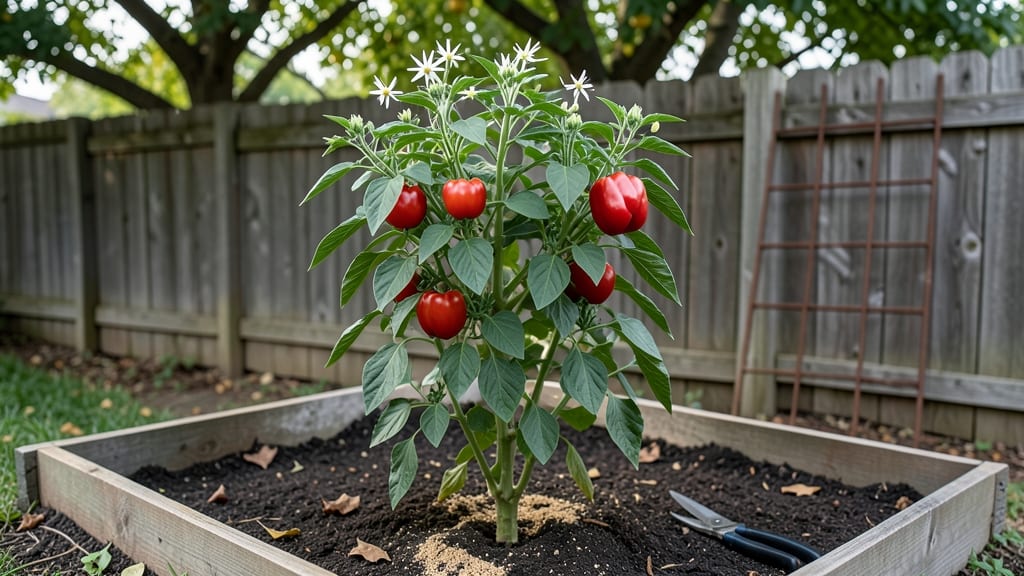
The secret to growing red bell peppers that actually ripen lies in treating them like vining plants from day one. 🌱 I’ve grown dozens of varieties, but red bells demand consistent warmth, vertical support, and precise watering—or they’ll turn bitter and small.
This isn’t just about planting seeds; it’s about creating the exact conditions they thrive in, from seedling to harvest.
Start indoors 8-10 weeks before your last frost, using a light, airy seed-starting mix—not garden soil. Red bell peppers hate soggy roots, so keep the mix barely moist and place seedlings under grow lights (not just a sunny window).
Transplant only after soil warms to 65°F+, and use cage-like supports from the get-go, because these peppers grow 3-4 feet tall and need sturdy trellises to avoid sprawling.
By day 55, you’ll be harvesting deep red, blocky peppers that burst with sweetness—if you’ve kept them consistently moist (not drenched), fertilized with balanced 10-10-10 every 3 weeks, and pruned to focus energy on fruit.
The key difference from other peppers? Red bells need more heat to ripen fully, so black plastic mulch or row covers in cool climates make all the difference.
Troubleshooting early issues—like slow germination or yellowing leaves—boils down to two fixes: warmth (a heat mat helps) and airflow (crowded seedlings invite disease).
Once established, these plants are surprisingly resilient, but neglect the basics, and you’ll end up with sour, stunted peppers instead of the sweet, vibrant harvest you’re after.
Root Causes Of Stunted Growth
Growing vibrant red bell peppers thrives on balance, but when your plants seem sluggish or underperforming, it’s often due to hidden environmental or biological factors. Below, we break down the key reasons your bell peppers might struggle to reach their full potential—and how to fix them before it’s too late.
Bell peppers are heavy feeders, and if your soil lacks essential nutrients, they’ll signal distress through stunted growth, yellowing leaves, or weak stems.
- Nitrogen (N) Deficiency 🌿 Symptoms: Pale green or yellow leaves, slow stem growth. Why? Nitrogen fuels leafy growth, and without it, your plant prioritizes survival over fruiting. Fix: Amend soil with compost or a balanced fertilizer (10-10-10) at planting.
Side-dress with nitrogen-rich options like blood meal or fish emulsion mid-season.
- Phosphorus (P) Deficiency 💡 Symptoms: Dark green leaves with purple stems, delayed flowering. Why? Phosphorus is critical for root and flower development. Cold, compacted, or overly acidic soil locks it out. Fix: Add bone meal or phosphate-rich fertilizer (e.g., 5-10-10) at planting. Test soil pH (aim for 6.0–6.8).
- Potassium (K) Deficiency ⚡ Symptoms: Weak stems, yellowing leaf edges, poor fruit set. Why? Potassium regulates water and nutrient uptake. Stress (like drought or disease) depletes it faster. Fix: Use wood ash or a potassium sulfate supplement. Avoid overwatering, which leaches potassium.
- Micronutrient Imbalances 🧪 Symptoms: Odd leaf patterns (e.g., cupping, spots), slow growth. Why? Zinc, magnesium, or calcium deficiencies (common in container gardens) stunt development. Fix: Use a chelated micronutrient spray or Epsom salt (for magnesium) every 4–6 weeks.
Pro Tip: 💡 Test your soil before planting! A simple home kit or lab test reveals exact deficiencies—no guesswork.
Bell peppers are tropical plants at heart. Too much heat or cold throws their growth cycle off balance.
- Insufficient Sunlight ☀️🚫 Symptoms: Leggy stems, small leaves, few flowers. Why? Bell peppers need 6–8 hours of direct sunlight daily. Shade or cloudy days slow photosynthesis, starving the plant. Fix: Move containers to sunnier spots.
Use reflective mulch or a garden mirror to bounce light. In containers, ensure no overhanging trees block light.
- Extreme Heat Stress 🔥 Symptoms: Wilting, curled leaves, blossom drop. Why? Temperatures above 90°F (32°C) disrupt pollination and fruit set. High heat also increases water evaporation, drying out roots. Fix: Provide afternoon shade with shade cloth (30–50%).
Mulch with straw to retain moisture. Water deeply in the morning to cool roots.
- Cold Sensitivity ❄️ Symptoms: Blackened leaves, stunted new growth, delayed maturity. Why? Bell peppers thrive in 70–85°F (21–29°C). Below 50°F (10°C), growth halts, and below 32°F (0°C), damage occurs. Fix: Use row covers for early/late seasons.
In containers, move plants indoors (near a sunny window) if frost is forecasted.
Bell peppers hate inconsistency. Overwatering or drought stress both lead to poor growth and fruit quality.
- Underwatering 🚰🚫 Symptoms: Crispy leaf edges, wilting, small peppers. Why? Peppers need 1–1.5 inches of water weekly (more in heat). Uneven watering causes root stress. Fix: Water deeply at the base (avoid wetting leaves to prevent disease).
Use drip irrigation or soaker hoses for consistency. Check soil moisture with your finger—top 1–2 inches should be dry before watering.
- Overwatering 💦🚫 Symptoms: Yellowing leaves, root rot (mushy stems), slow growth. Why? Waterlogged soil cuts off oxygen to roots, leading to fungal infections. Fix: Ensure containers have drainage holes. Use well-draining soil mixes (add perlite or vermiculite). Water only when the top 1–2 inches of soil are dry.
- Inconsistent Moisture 🌀 Symptoms: Blossom end rot (black spots on peppers), cracked fruit. Why? Fluctuating moisture levels disrupt calcium uptake, causing structural weaknesses. Fix: Mulch with straw or wood chips to stabilize soil moisture. Use a moisture meter for containers.
Hidden invaders or pathogens can sap your peppers’ energy before they even show symptoms.
- Aphids, Spider Mites, Or Whiteflies 🐜 Symptoms: Sticky residue (honeydew), curled leaves, yellowing. Why? These pests suck sap, weakening the plant and spreading viruses. Fix: Spray with neem oil or insecticidal soap. Introduce beneficial insects like ladybugs. Prune heavily infested leaves.
- Fungal Diseases (e.g., Powdery Mildew, Early Blight) 🍄 Symptoms: White powdery spots, brown leaf spots, defoliation. Why? High humidity, poor airflow, or overhead watering create ideal conditions. Fix: Space plants 18–24 inches apart for airflow. Water at the base. Apply copper fungicide preventatively. Remove infected leaves immediately.
- Root Rot (From Overwatering Or Poor Drainage) 🍄💀 Symptoms: Black, mushy roots, wilting despite wet soil. Why? Fungal pathogens thrive in soggy conditions, killing roots. Fix: Repot in fresh, sterile soil with perlite. Trim healthy roots and treat with hydrogen peroxide (3%) to sterilize.
Even well-cared-for peppers can stall if they’re not given the right support.
- Transplant Shock 🌱💨 Symptoms: Wilting, slow recovery, stunted new growth. Why? Moving plants disrupts roots, and sudden environmental changes (sun, wind) add stress. Fix: Harden off seedlings for 7–10 days before transplanting. Water thoroughly after moving. Avoid fertilizing for 1–2 weeks post-transplant.
- Over-Pruning Or Improper Technique ✂️🚫 Symptoms: Fewer flowers, weak stems, delayed fruiting. Why? Aggressive pruning removes energy sources (leaves = food factories). Pruning too late in the season cuts off potential fruit. Fix: Prune only to remove diseased leaves or encourage airflow.
Focus on pole-trained peppers: Prune suckers (side shoots) but leave 3–4 main stems. Stop heavy pruning 6–8 weeks before first frost.
Key Takeaway: Most growth issues stem from one (or more) of these four pillars: soil, climate, water, or biology. Address the root cause (literally!) and watch your peppers bounce back—ready to turn red in record time. 🌶️✨
How to Fix Common Pepper Growing Woes
Growing vibrant red bell peppers in a container garden is a rewarding experience, but even the most seasoned gardeners face challenges. Below are practical, step-by-step solutions to the most common issues, along with prevention tips to keep your peppers thriving until harvest.
Cause: Cold soil, old seeds, or improper planting depth.
Fix It: 🔥 Warm Up the Soil – Use a seedling heat mat (70–80°F) or place pots in a sunny windowsill until sprouts appear. If planting outside, wait until soil temps reach 60°F+ (use a soil thermometer).
🍳 Boost Seedling Strength – Once sprouted, move seedlings to a bright, south-facing window or under grow lights (14–16 hrs/day). Keep soil moist but not soggy—overwatering drowns seeds.
👨🍳 Direct Sow Smartly – If starting outside, plant seeds ½ inch deep in well-draining soil mixed with compost. Cover with a clear plastic dome to trap warmth and humidity.
Prevent It: ✨ Test seed viability – Float seeds in water: if they sink, they’re likely good. Soak overnight before planting for faster germination. 🌡️ Use a seedling heat mat for early starts, especially in cool climates.
Cause: Calcium deficiency (often from inconsistent watering or poor soil pH).
Fix It: 💡 Calcium Boost – Sprinkle crushed eggshells or crushed oyster shell around the base of plants. Water well to activate.
🔥 Adjust Watering – Keep soil evenly moist (1–1.5 inches of water per week). Use drip irrigation to avoid fluctuations.
🌡️ Check pH – Aim for 6.0–6.8. Test soil with a kit and amend with lime (to raise pH) or sulfur (to lower pH) if needed.
Prevent It: 🎯 Mulch heavily (2–3 inches of straw or wood chips) to retain moisture and calcium. 💪 Side-dress with compost every 3–4 weeks for steady nutrients.
Cause: Overcrowded plants, weak foliage, or lack of natural predators.
Fix It: 🔪 Handpick Hornworms – Check leaves daily and drop them in soapy water (they’re fast but easy to spot!).
🍳 Spray Neem Oil – Mix 1 tsp neem oil + 1 tsp mild soap + 1 quart water. Spray early morning or evening to avoid harming bees.
👨🍳 Introduce Beneficial Insects – Release ladybugs or lacewings (available at garden centers) to control aphids naturally.
Prevent It: ✨ Space plants 18–24 inches apart for airflow and sunlight penetration. 🌡️ Plant companion crops like basil, marigolds, or nasturtiums to repel pests.
Cause: Over/under-fertilizing, poor drainage, or root stress.
Fix It: 📊 Diagnose the Problem:
- Yellow lower leaves? → Nitrogen deficiency (add blood meal or fish emulsion).
- Yellow edges? → Potassium deficiency (use banana peel tea or wood ash).
- Pale green leaves? → Iron deficiency (spray with chelated iron or add Epsom salt).
🔥 Flush the Soil – If over-fertilized, leach excess salts by watering heavily for 10 minutes.
Prevent It: 💡 Test soil every 2–3 months and adjust fertilizers accordingly. 🎯 Use organic, slow-release fertilizers (like worm castings) to avoid burns.
Cause: Too much shade, over-pruning, or lack of pollination.
Fix It: 🌡️ Maximize Sunlight – Ensure 6–8+ hours of direct sun daily. Move containers to sunnier spots if needed.
🍳 Hand-Pollinate – Gently tap flowers with a small brush or vibrate the plant to release pollen (helpful in greenhouses or rainy weather).
👨🍳 Prune Strategically – Remove only dead or diseased leaves—avoid cutting into the main stem.
Prevent It: ✨ Choose dwarf or bush varieties (like ‘Sweet Banana’ or ‘Jupiter’) for containers—they need less support. 💪 Train vines upward with soft ties to improve airflow and sunlight access.
Rotate containers every few weeks to ensure even sunlight exposure and prevent one-sided growth. A little preventive care goes a long way—your peppers will thank you with juicy, sweet red harvests in just 55 days! 🌶️🔥
Frequently asked questions about growing red bell peppers
How long does it take for red bell peppers to mature from seed?
With proper care, red bell peppers typically mature in 60-90 days from transplanting, though some varieties like 'Sweet Banana' can ripen in as few as 55 days. Starting seeds indoors 8-10 weeks before your last frost ensures you'll have peppers ready for harvest during peak summer heat when they thrive best.
Why are my red bell pepper plants flowering but not fruiting?
This usually happens due to pollination issues or environmental stress. Hand-pollinate flowers by gently tapping them with a small brush, or try vibrating the plant to release pollen. Also check for temperature extremes—peppers need consistent 70-85°F for proper fruit set. If nights drop below 55°F, use row covers to protect them.
Can I grow red bell peppers in containers, and what size pot should I use?
Yes! Red bell peppers thrive in containers as long as you use pots that are at least 12-18 inches deep with good drainage. A 5-gallon container works well for one plant, and place them where they'll get 6-8 hours of direct sunlight daily. Just be sure to fertilize regularly since container soil drains nutrients faster than garden soil.
What's the best way to prevent blossom end rot in red bell peppers?
Blossom end rot occurs when calcium uptake is disrupted, usually from inconsistent watering or poor soil pH. Maintain even moisture by watering at the base 1-1.5 inches per week, and add crushed eggshells or oyster shell to the soil for extra calcium. Keep soil pH between 6.0-6.8 for optimal nutrient absorption.
How do I know when red bell peppers are fully ripe and ready to harvest?
Red bell peppers are ripe when they turn a deep, vibrant red color and feel firm to the touch. The skin should be smooth and glossy, not wrinkled. Harvest when they're fully colored but still firm—they won't ripen further once picked. For best flavor, harvest in the morning when sugars are highest.