
Companion Plants
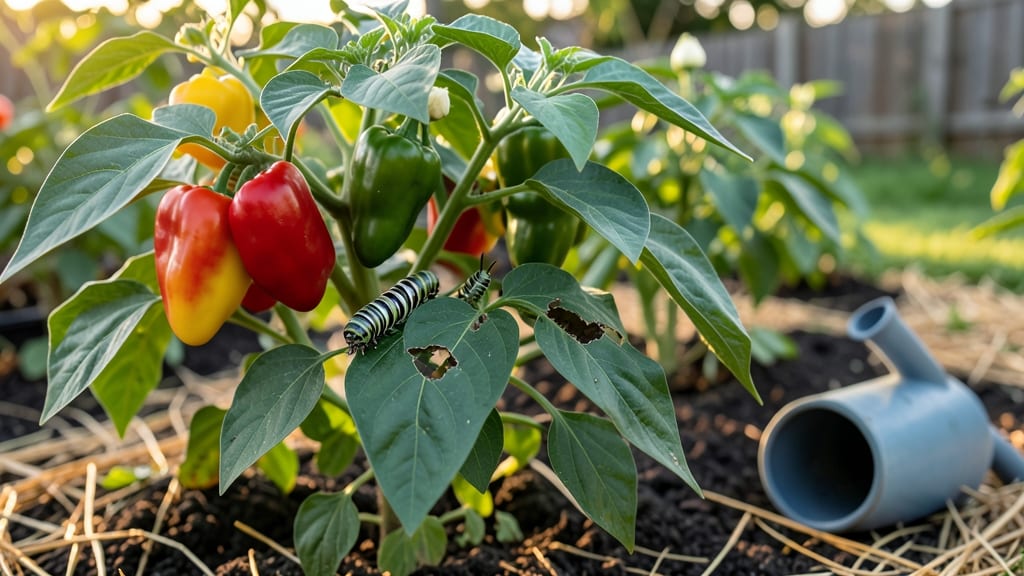
Hornworms on pepper plants can turn your harvest into a skeleton show in days. 🌱 I’ve watched my prized peppers go from lush and green to stripped bare in just a few hours—until I learned these foolproof tricks to stop them without chemicals. The first sign?
Large, green caterpillars with diagonal white stripes and a horn-like tail. They chew through leaves, stems, and even fruit overnight. But here’s the good news: you don’t need pesticides. A handful of easy, natural methods—like handpicking, introducing beneficial insects, or using row covers—work just as well.
By the end of this, your plants will bounce back with thicker foliage and fewer holes. The key is acting fast and staying consistent. I’ll show you exactly how to spot them early and keep them off your peppers for good. Works for bell peppers, jalapeños, and even tomatoes.
Let’s get those plants protected!
📚 In This Guide
- What you need
- Instructions
- Tips and common mistakes
- Wrapping up and next steps
What you need
- ● Neem oil (100% pure, cold-pressed) – 1–2 tablespoons per gallon of water (look for organic brands like Neem Tree Products or Bonide).
- ● Insecticidal soap (potassium salts-based) – 1–2 teaspoons per quart of water (e.g., Safer® Brand or Dr. Bronner’s).
- ● Spray bottle (16–32 oz) – With a fine mist nozzle (like GrowNeat or Rachael Ray brands).
- ● Garden gloves – Nitrile or latex-free (for sensitive skin).
- ○ Handheld magnifying glass (optional) – For spotting tiny eggs or larvae.
- ● Sticky traps (yellow or blue) – 2–3 traps per 100 sq ft (e.g., Blacklight Traps).
- ● Diatomaceous earth (food-grade) – 1 cup per 10 sq ft (e.g., Safer® DE).
- ● Damp cloth or sponge – For wiping down leaves.
- ● Bacillus thuringiensis (Bt) powder – Targeted for caterpillars; mix with water as directed.
- ● Companion plants (pre-planted or seeds) – Basil, marigolds, or dill to deter hornworms naturally.
- ● Pruning shears – For removing heavily infested leaves.
- ● Garden journal – To track treatments and progress.
How to manage hornworms on pepper plants naturally
Here's my go-to approach for keeping hornworms in check without chemicals.
🌿 Step 1: Identify and Assess the Damage
First, confirm you're dealing with hornworms—not aphids or beetles. These caterpillars are 5 inches long, green with white stripes, and often hide on the undersides of leaves. Check for ragged holes in leaves and missing flowers (a telltale sign they're feeding on buds).
I like to inspect plants early in the morning when hornworms are sluggish. Grab a flashlight and shine it under leaves—you'll spot them curled up like little green cigars. If you see frass (black droppings) on leaves, that's another clue they've been dining.
✂️ Step 2: Hand-Pick and Remove Hornworms
Wear gloves and grab a bowl of soapy water for disposal. Pick hornworms off plants first thing in the morning when they're slowest. I use a damp paper towel to gently wrap them up—this prevents them from squirming away. Drop them into the soapy water immediately to kill them.
Check both sides of leaves and stems, especially where new growth meets old. I find that young hornworms (under 2 inches) are easier to spot because they're less camouflaged. Repeat this process every 2-3 days—consistency is key.
🐛 Step 3: Introduce Natural Predators
Encourage ladybugs, lacewings, and parasitic wasps—they love hornworms. Plant dill, fennel, or parsley nearby to attract beneficial insects. I also leave small patches of wildflowers in the garden to provide habitat for predators.
Release praying mantises (buy them online) if your garden is heavily infested. They're voracious eaters and will hunt hornworms aggressively. Just be patient—it can take 1-2 weeks for predator populations to build up enough to control the hornworms.
🌱 Step 4: Use Organic Sprays as a Last Resort
If hornworms keep returning, spray plants with neem oil or kaolin clay in the evening (when bees aren't active). Mix 1 tablespoon of neem oil with 1 teaspoon of mild soap in 1 quart of water, then spray until leaves are damp but not dripping. Reapply every 5-7 days or after rain.
For kaolin clay, mix 2 tablespoons in 1 gallon of water and apply with a spray bottle. It creates a white film that deters feeding. The best part? It's safe for pollinators and won't harm your plants. Avoid spraying in direct sunlight—it can burn leaves.
🌿 Step 5: Prevent Future Infestations
Remove fallen leaves and debris from under plants—hornworms love hiding there. I also rotate crops annually to disrupt their life cycle. If you grow tomatoes, eggplants, or potatoes, keep them far from peppers (hornworms attack those too).
Plant basil, marigolds, or thyme near peppers—their strong scents repel hornworms naturally. I've found that healthy, well-watered plants are less appealing to pests, so water deeply 1-2 times per week during dry spells. Mulch with straw or grass clippings to retain moisture and deter egg-laying moths.
Tips & tricks for natural pepper plant pest control
These simple strategies will help you keep your pepper plants thriving without resorting to harsh chemicals.
Timing is Everything: I've found that early morning inspections are most effective because hornworms are sluggish after a cool night. This is when you'll spot them curled up on leaves, making them easier to remove. I also recommend checking every 2-3 days—consistency is what keeps populations under control. The key is catching them before they grow too large to handle easily.
Predator Power: When introducing natural predators like ladybugs and lacewings, focus on creating habitat first. Plant dill, fennel, or parsley nearby—these herbs attract beneficial insects naturally. For praying mantises, be patient! It can take 1-2 weeks for them to establish themselves and start hunting hornworms effectively. I've seen dramatic results when I combine these predators with regular hand-picking.
Spray Technique: When using neem oil or kaolin clay sprays, timing matters. Always apply in the evening when bees aren't active. For neem oil, mix exactly 1 tablespoon with 1 teaspoon of mild soap in 1 quart of water—this ratio is crucial for effectiveness. When spraying, aim for thorough coverage but avoid oversaturating leaves, which can cause burning. Reapply every 5-7 days or after rain to maintain protection.
Prevention Strategy: The best defense is a healthy garden. I've noticed that well-watered plants with mulch are far less appealing to hornworms. Water deeply 1-2 times per week during dry spells, and always remove fallen leaves and debris where hornworms hide. Planting basil, marigolds, or thyme near peppers creates a natural barrier that deters pests without chemicals.
Pro Tips for Hornworms On Pepper Plants
- These simple strategies will help you keep your pepper plants thriving without resorting to harsh chemicals.
- Timing is Everything: I've found that early morning inspections are most effective because hornworms are sluggish aft...
- Predator Power: When introducing natural predators like ladybugs and lacewings, focus on creating habitat first. Plan...
Frequently asked questions
Got questions about dealing with hornworms on your pepper plants? You’re not alone! Here are some of the most common concerns—and practical answers—to help you tackle this chewy challenge like a pro.
What do hornworms look like, and how can I tell if my pepper plants have them?
Hornworms are large, green caterpillars (up to 4 inches long) with white diagonal stripes and a distinctive "horn" at their rear. Check the undersides of leaves, stems, and fruit for these guys—especially if you spot ragged, skeletonized foliage or half-eaten peppers. Pro tip: Shake plants over a bucket of soapy water to spot them early!
When is the best time to remove hornworms from pepper plants?
Act immediately if you spot them! These pests multiply fast, so remove them daily during peak activity (early morning or late afternoon). Wait until they’re fully grown to avoid dropping eggs nearby. Timing matters: A single hornworm can devour a pepper in hours—don’t wait for "just a few" to turn into an infestation!
Are hornworms harmful to humans or pets?
Nope! Hornworms are not toxic to humans or pets. They’re harmless unless ingested in massive quantities (even then, they’re not poisonous). However, their droppings can spread disease to plants, so remove them promptly. Good news: Your furry friends won’t be affected—just your peppers!
What are some natural alternatives to handpicking hornworms?
If handpicking feels like a losing battle, try these eco-friendly tricks:
- Introduce predator insects: Ladybugs, lacewings, and parasitic wasps (like Cotesia congregata) hunt hornworms naturally. <
- Use neem oil or Bacillus thuringiensis (Bt): Spray Bt on leaves—it’s safe for humans but deadly to caterpillars.
- Plant companion herbs: Basil, dill, and marigolds repel pests and attract beneficial insects.
Will my pepper plants recover if I remove hornworms early?
Pepper plants are resilient. If you catch hornworms before they strip leaves or damage fruit, your plants will bounce back with vigorous regrowth. Focus on younger leaves and new buds—they’ll rebound faster. Bonus: Prune lightly to encourage bushier growth and deter future pests!
Wrapping up and next steps
Dealing with hornworms on your pepper plants doesn’t have to be a battle—especially when you’ve got natural, chemical-free solutions at your fingertips! 🌱 From introducing parasitic wasps to companion planting with basil, marigolds, or dill, you’ve learned how to protect your harvest safely and effectively.
Remember, even a few proactive steps can make a world of difference in keeping your garden thriving.
Now that you’re armed with these strategies, take action today! Start by inspecting your plants, implementing one or two methods, and enjoy the peace of mind (and delicious peppers!) that come with a pest-free garden. Happy growing! 🌿