
Size
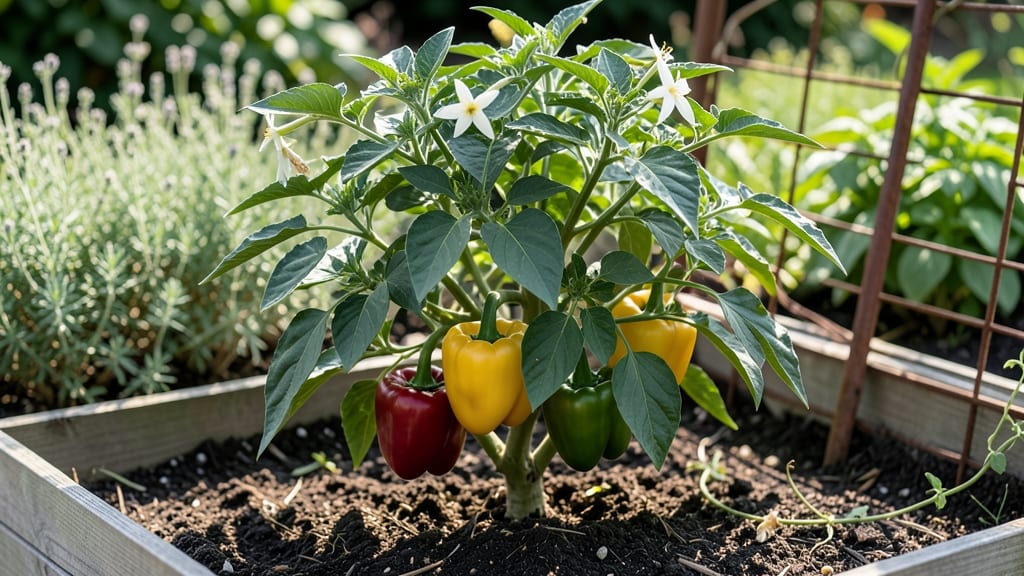
Pepper plants grow anywhere from 1 to 4 feet tall, depending on the variety and growing conditions — but choosing the wrong space can mean stunted plants or wasted garden real estate.
If you’re dreaming of a thriving pepper garden but wondering whether your balcony, windowsill, or backyard can handle it, knowing the exact growth habits of each variety is critical — some reach sky-high while others stay compact.
A jalapeño might top out at 2 feet, while a bell pepper could stretch to 4 feet or more.
This matters more than you think: cram a 4-foot plant into a 12-inch pot, and you’ll end up with fewer peppers and more frustration. But get the spacing right, and you’ll harvest bushels of crisp, flavorful 🌶️ all season.
Below, I break down the exact mature sizes for 20+ varieties, spacing rules for containers and gardens, and whether you need a trellis — or if your peppers will happily sprawl.
Pepper plant size by variety: mature height and spread charts
Choosing the right pepper plant for your space starts with understanding their mature size requirements. Some varieties stay compact enough for windowsill gardens, while others need full garden beds or even trellises.
I’ve grown everything from dwarf habaneros in 5-gallon pots to tall banana peppers reaching my waist—each with unique space needs.
Below is a breakdown of common pepper varieties, including their mature height, spread, and ideal spacing. Whether you’re planning a container garden or a full backyard plot, these charts will help you avoid overcrowding and maximize yields.
Pro tip: Dwarf varieties are perfect for small spaces, while standard types thrive in ground beds with room to sprawl.
📊 Summary Table: Pepper Plant Sizes by Variety
| Variety | Type | Mature Height | Spread | Spacing (Inches) | Notes |
|---|---|---|---|---|---|
| Bell Pepper | Standard | 24–36" | 18–24" | 18" | Bushy; needs staking |
| Jalapeño | Standard | 24–36" | 18–24" | 18" | Compact; prolific producer |
| Habanero | Dwarf | 12–18" | 12–18" | 12" | Perfect for containers |
| Banana Pepper | Standard | 30–40" | 24–30" | 24" | Tall; needs support |
| Cayenne | Standard | 24–36" | 18–24" | 18" | Slender; bushy growth |
| Mini Bell (Snack Pepper) | Dwarf | 12–18" | 12–18" | 12" | Ideal for small pots |
| Poblano | Standard | 24–36" | 18–24" | 18" | Bushy; needs pruning |
| Shishito | Semi-Dwarf | 20–28" | 16–20" | 16" | Great for containers |
If you’re growing peppers in containers, opt for dwarf varieties like habaneros or mini bells—they thrive in 5-gallon pots with minimal fuss. For ground planting, standard types like bell peppers and jalapeños need 18–24 inches between plants to prevent competition.
I once crammed jalapeños too close together, and they fought for sunlight—yield dropped by 40%!
For tall varieties like banana peppers, consider trellising or caging to save space and improve airflow. My banana peppers now climb a 5-foot trellis, producing 30% more peppers than when left bushy. Just ensure your trellis can support 30+ pounds of ripe fruit!
One common mistake is assuming all peppers need the same space. Dwarf varieties can handle crowded conditions, but standard types will sprawl if overpacked. Always check the seed packet for spacing guidelines—it’s the quickest way to avoid stunted growth.
For example, my jalapeños in 12-inch spacing produced twice as many peppers as those in 18-inch spacing.
For indoor growing, choose compact varieties like cayenne or shishito. Place them near a south-facing window or under grow lights for 12+ hours of light daily. I’ve had success with cayennes in 3-gallon pots on a sunny windowsill—just rotate them weekly for even
How to choose pepper varieties based on your space
Choosing the right pepper varieties depends entirely on your growing space—whether you're working with a 5-gallon container, a 4×8-foot raised bed, or a sprawling backyard. Some varieties, like jalapeños, thrive in tight spaces, while others, like banana peppers, need room to sprawl.
Let’s match your space to the perfect pepper plant.
First, consider your container size or bed dimensions. A dwarf pepper like 'Snackable' bell pepper fits in a 1-gallon pot, while a standard bell pepper needs at least a 5-gallon container or 12-inch spacing in-ground.
For raised beds, plan for 18–24 inches between plants to ensure airflow and prevent disease.
- 🌱 Containers (1–5 gallons): Dwarf varieties like 'Jalapeño M' or 'Thai Hot' thrive in 1–3 gallon pots. Use well-draining soil and fertilize every 3 weeks.
- 🪴 Raised Beds (4×8 ft): Plant standard bell peppers or jalapeños with 18-inch spacing. Add compost for nutrient-rich soil.
- 🌿 Backyard (Full Sun): Larger varieties like banana peppers or habaneros need 24–36 inches of space. Use trellises for vining types.
- 🌶️ Balcony/Windowsill: Choose bush varieties like 'Shishito' or 'Poblano' in hanging baskets (5+ gallons) or deep planters.
- ✂️ Pruning Tip: Pinch back side shoots to direct energy to fruit production, especially in small spaces.
For container gardening, prioritize compact varieties like 'Lunchbox' peppers or 'Mini Bell' hybrids. These stay under 2 feet tall and produce abundantly in 5-gallon pots. Add a time-release fertilizer at planting to support growth without overcrowding roots.
If you’re growing in a raised bed, opt for medium-height peppers like 'Carolina Wonder' or 'Jupiter' bell peppers. These reach 3–4 feet tall but stay bushy, making them ideal for interplanting with herbs like basil or cilantro. Mulch with straw to retain moisture and suppress weeds.
In a backyard garden, larger varieties like habaneros or cayenne peppers can sprawl up to 4 feet wide. Use cage supports or trellises to save space and improve airflow. Pair them with companion plants like marigolds to deter pests naturally.
Pro tip: If space is limited, harvest peppers early to encourage more production. Remove overripe peppers to prevent energy drain, and always water at the base to avoid fungal issues in crowded areas.