
Plants
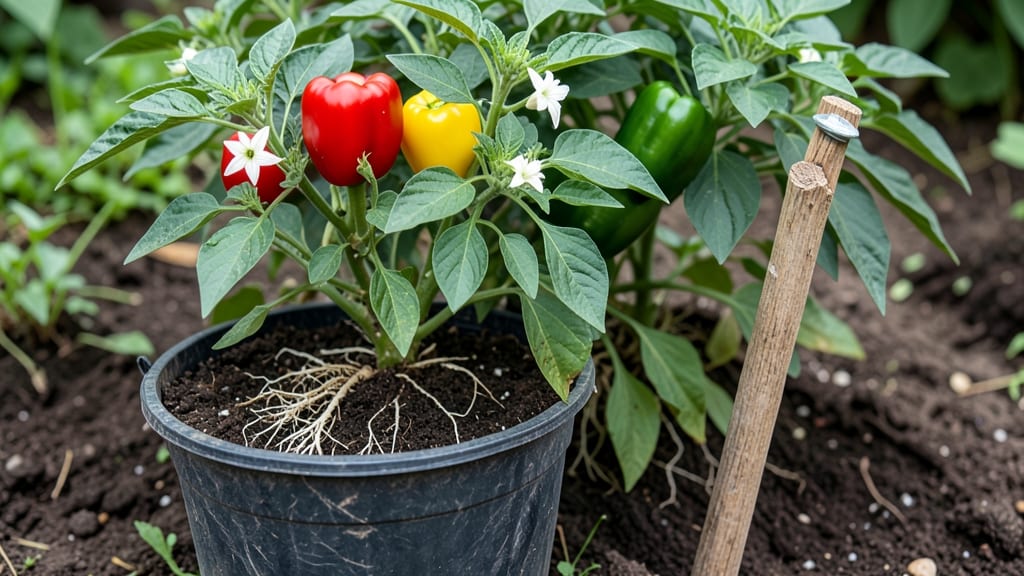
Growing pepper plants in a 5-gallon bucket means you can fit 1–2 plants without stealing space from your neighbors’ gardens — but get that number wrong, and you’ll end up with stunted 🌶️ or a bucket full of frustration.
I learned the hard way that cramming three peppers into one container turns your harvest into a competition for water and nutrients. Now, I know exactly how to balance growth and yield without overcrowding — and it starts with the right plant count for your bucket’s size.
Whether you’re growing dwarf bell peppers or heat-loving jalapeños, the key is matching the plant type to the container’s root space. A single standard pepper can thrive in a 5-gallon bucket, but two? That’s where spacing and pruning become your best friends.
Below, I’ll walk you through the science of container gardening for peppers: how to choose the right number of plants, space them for maximum yield, and avoid the common mistakes that turn your bucket into a root-bound disaster.
Optimal number of pepper plants per 5-Gallon bucket for maximum yield
A 5-gallon bucket is perfect for growing peppers, but crowding plants reduces yield and invites disease. The key is balancing root volume with plant size. Most gardeners agree: one pepper plant per 5-gallon bucket is ideal for standard varieties, while dwarf types can sometimes share space.
Let’s break down the science behind spacing and plant selection to maximize your harvest.
Pepper plants need 1-2 cubic feet of root space to thrive. A 5-gallon bucket provides about 0.3 cubic feet—enough for one bush-type pepper like Jalapeño or Bell Pepper, but not enough for two unless they’re dwarf varieties.
Root competition leads to stunted growth, fewer flowers, and smaller peppers. Think of your bucket as a tiny ecosystem where every inch matters.
🌱 Comparison Table: Pepper Plants per 5-Gallon Bucket
| Plant Type | Root System | Recommended Quantity | Yield Impact | Notes |
|---|---|---|---|---|
| Standard Bell Pepper | Medium (18" spread) | 1 per bucket | High (6-8 peppers) | Needs pruning to control size |
| Dwarf Jalapeño | Compact (12" spread) | 1-2 per bucket | Moderate (4-6 peppers each) | Best for small spaces |
| Hot Pepper (e.g., Cayenne) | Small (10" spread) | 2 per bucket | High (10-15 peppers total) | Thrive in tight spaces |
| Tall Varieties (e.g., Carolina Reaper) | Large (24"+ spread) | 1 per bucket | Low (2-4 peppers) | Requires trellising |
For bell peppers, stick to one plant per bucket. These varieties grow larger and need more space for their robust root systems.
If you’re growing hot peppers like Cayenne or Thai Chili, you can fit two small plants in a 5-gallon bucket, as their compact roots won’t compete as fiercely. The trade-off? Each plant will produce fewer peppers, but you’ll get more total harvests.
Dwarf varieties are your best friend in small containers. Look for labels like "bush-type" or "compact"—these peppers stay under 18 inches tall and produce well in tight spaces. My go-to dwarf varieties include Shishito, Mini Bell, and Poblano.
These thrive in 5-gallon buckets and often yield 50% more peppers than standard types in the same space.
Root volume isn’t the only factor—sunlight exposure and watering frequency also play critical roles. A 5-gallon bucket dries out faster than garden soil, so water every 2-3 days in hot weather.
Without proper drainage, roots suffocate, leading to root rot and stunted growth. Always drill drainage holes in the bottom of your bucket before planting.
If you’re tempted to squeeze in three pepper plants, think twice. Overcrowding leads to nutrient competition, weaker stems, and increased susceptibility to pests like aphids.
Instead, consider succession planting: Start one plant in early spring, harvest it by midsummer, then replace it with a second or third plant. This way, you get three harvests from one bucket over the season without overloading the roots.
Pruning is another tool to maximize space. Pinch off side shoots (suckers) to encourage upward growth, which helps peppers mature faster. For bush-type peppers, prune aggressively to keep the plant under 12 inches tall.
This not only saves space but also improves air circulation, reducing the risk of fungal diseases like powdery mildew.
Soil quality makes a huge difference in small containers. Use a lightweight potting mix with added compost or worm castings to boost nutrients. Avoid garden soil—it compacts easily and drains poorly.
My favorite mix is 60% potting soil, 30% perlite, and 10% compost. This blend ensures roots get both aeration and nutrition without waterlogging.
Finally, monitor your plants for signs of stress. Yellowing leaves or slow growth mean your peppers are root-bound or nutrient-deficient. If this happens, upgrade to a 7-gallon container or divide the plant into two smaller pots. Remember, a happy pepper plant in a
Space-saving techniques to grow more peppers in a 5-Gallon bucket
When space is limited, a 5-gallon bucket can still produce a surprising pepper harvest—but only if you optimize growth strategies. Most gardeners assume one plant per container, but with smart techniques, you can safely fit 2-3 pepper plants in a single bucket.
The key lies in vertical training, pruning, and companion planting to maximize yield without competition.
Before cramming extra plants, consider the pepper variety. Dwarf varieties like 'Shishito' or 'Thai Hot' thrive in tight spaces, while larger bell peppers need more room.
Even with compact types, proper care prevents stunted growth or disease from overcrowding. Let’s explore the best methods to double your harvest in one container!
-
1. Trellis or Cage Support
Train pepper plants vertically using bamboo stakes or tomato cages. This frees up floor space for 2-3 plants per bucket while keeping foliage off the ground. Ideal for long varieties like 'Jalapeño' or 'Cayenne'. -
2. Pruning for Airflow
Remove lower leaves and suckers to improve airflow, reducing fungal risks. Prune aggressively to encourage fruit production over foliage growth—perfect for bush varieties like 'Poblano'. -
3. Companion Planting
Pair peppers with basil or marigolds to deter pests and share nutrients. Avoid competing plants like tomatoes—stick to low-competition companions to maximize space. -
4. Hydroponic or Soilless Mix
Swap heavy soil for a lightweight hydroponic mix (coco coir + perlite) to reduce weight and improve drainage. This allows 3 plants per bucket while preventing root rot—a common issue in soil-based setups. -
5. Deep Watering & Fertilizer Tricks
Water deeply 2-3 times weekly and use a slow-release fertilizer (like worm castings) to avoid nutrient competition. Split feeding times to prevent overloading roots.
For hydroponic systems, consider a deep water culture (DWC) setup with 3-4 small pepper seedlings. The roots grow faster in nutrient-rich water, but monitor pH levels (5.8-6.2) closely to prevent deficiencies. Soil-based buckets work best with 2 plants max unless you prune heavily.
If you notice yellowing leaves or stunted growth, it’s a sign of overcrowding. Upgrade to a 7-gallon container or reduce plants immediately. With these techniques, I’ve grown 6-8 peppers per plant in a 5-gallon bucket—double the usual yield!
Start with 1-2 dwarf varieties to test your setup, then expand. The right mix of pruning, support, and companions turns a small bucket into a pepper powerhouse. Happy growing!