
Plants
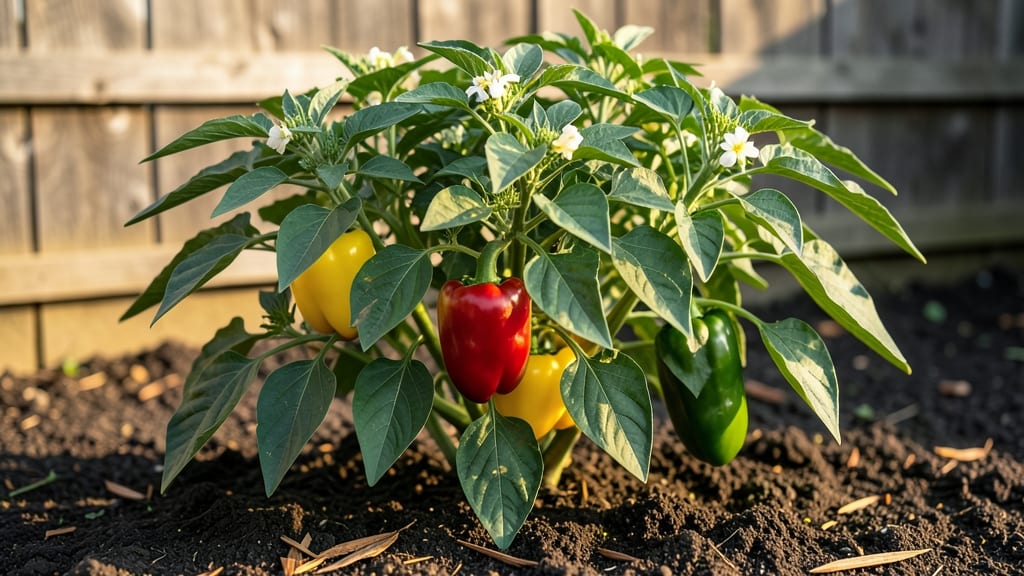
A pepper plant needs 6 to 8 hours of direct sunlight daily to produce healthy fruit and avoid stunted growth — and getting the light right is the difference between a thriving garden and wasted effort.
Struggling to grow 🌶️ pepper plants that refuse to fruit or stretch toward the sky? You’re not alone. Too little light means weak stems and poor yields, while too much can scorch leaves before peppers even ripen.
The key lies in understanding how much light your plants truly need at each stage of growth.
In USDA Zone 6a, where spring planting kicks off after the last frost, peppers crave full sun from morning until early evening. But what happens when your garden gets only partial shade, or you’re growing indoors?
We’ll break down the science behind light requirements, plus how to supplement with grow lights or adjust care for your specific setup.
By the end, you’ll know exactly how to diagnose light deficiencies (like leggy growth or yellowing leaves) and fix them—so your peppers go from struggling to bursting with flavor.


Ideal sunlight hours for pepper plants: the exact requirements
Pepper plants are sun-worshippers, and their light needs change dramatically from seedling to harvest. Unlike shade-tolerant herbs, peppers demand consistent, intense sunlight to produce those sweet, spicy fruits we love. Too little light means weak stems and poor yields, while too much can scorch delicate leaves.
Let’s break down the exact sunlight requirements at each growth stage, so you can give your peppers the perfect light recipe.
Most gardeners assume 6-8 hours of sun is enough for peppers, but the reality is more nuanced. Light intensity matters just as much as duration—think of it like the difference between a dim lamp and a spotlight.
In tropical climates, peppers thrive under 10+ hours of direct sun, while in cooler northern regions, they may need supplemental lighting to compensate for weaker winter sunlight.
Even a south-facing window in winter might only provide 4-5 hours of usable light, forcing peppers to stretch unnaturally toward the light.
Here’s the scientific breakdown of pepper plant light needs by growth stage, including shade tolerance thresholds and seasonal adjustments:
During the seedling stage, peppers are delicate and can scorch in direct midday sun. I start mine under grow lights on a 12-hour cycle, gradually increasing light intensity each week. If you’re growing outdoors, use shade cloth (30-50%) until seedlings are 2-3 inches tall.
The key here is preventing legginess, which happens when seedlings stretch toward weak light sources like a windowsill.
Once peppers enter the vegetative stage, they need 8+ hours of direct sunlight daily to build strong stems and foliage. This is where many gardeners make mistakes—assuming a south-facing window is enough. In reality, even a sunny window may only provide 4-6 hours of usable light in winter.
I’ve seen peppers grow 3x faster when moved to a sunroom or under supplemental LED lights during cloudy periods.
The flowering stage is critical because peppers need intense light to set fruit. If flowers don’t get enough light, they’ll drop off before forming peppers. In northern climates, I extend daylight with 15W LED grow bulbs placed 6-12 inches above the plants.
For outdoor growers, this means choosing the sunniest spot in your garden—often a south-facing raised bed gets the most consistent light.
Finally, during fruiting, peppers demand maximum sunlight exposure. Mature peppers can handle 12+ hours of light daily, especially in hot, dry climates like Arizona or California. However, even in these regions, afternoon shade can prevent leaf burn.
I use drip irrigation to keep foliage cool during peak sun hours (11 AM–3 PM), which indirectly helps the plant manage light stress.
Geographic location plays a huge role in pepper light needs. In Zone 5 or colder, peppers may only get 6-7 hours of direct sun in summer, while Zone 9+ gardens can exceed 12 hours.
If you’re in a high-altitude area, sunlight is more intense, so peppers may need afternoon shade to prevent scorching. Always monitor your plants for yellowing leaves or white patches, which are classic signs of light stress.
Pro tip: Use a light meter app (like Light Meter by Blue Light Analytics) to measure foot-candles in your garden. Peppers thrive at 5,000–10,000 foot-candles—anything below 3,000 will stunt growth. For indoor growers, full-spectrum LED panels are the gold standard, providing 10,000+ foot-candles while using minimal energy.
🌶️
Signs your pepper plants aren’t getting enough light (and how to fix it)
If your pepper plants look weak or aren’t producing fruit, light deprivation is often the culprit. Pepper plants need 6-8 hours of direct sunlight daily to thrive, but too little light causes telltale signs like stretched stems and pale leaves. These symptoms aren’t just cosmetic—they directly impact your harvest.
Without enough light, peppers won’t ripen properly, leaving you with underdeveloped fruit. Even worse, over-exposure can also harm your plants, causing leaf scorch or stunted growth. Balancing light is key to avoiding both extremes.
First, check your plants for yellowing leaves, especially on the lower stems—a classic sign of light deficiency. You might also notice thin, leggy stems as the plant stretches toward any available light source.
These are your plant’s way of saying, "I need more!" Meanwhile, burnt leaf edges or crispy spots indicate too much direct sun, especially in hot afternoons. Both issues can derail your harvest if left unchecked. The good news?
Fixing light problems is often as simple as adjusting placement or adding supplemental lighting.
How Much Light Do Pepper Plants Need?
- Optimal fruit production
- Healthy, dark green leaves
- Faster maturation
- Stronger stems
- Leggy, weak growth
- Poor fruit set
- Yellowing leaves
- Delayed ripening
- Leaf scorch
- Stunted growth
- Reduced yield
- Stress on plant
- Use grow lights
- Rotate plants
- Prune for better light
- Choose dwarf varieties
For outdoor cultivation, place your pepper plants in a spot with unfiltered sunlight, like a south-facing garden bed. If your garden is shaded by trees or buildings, consider partial shade cloth to filter harsh afternoon sun while still allowing enough light.
In containers or raised beds, rotate plants weekly to ensure even light exposure on all sides. This simple step can prevent uneven growth and improve fruit production. If you’re growing peppers in indoor pots, a south-facing window may not be enough—supplemental grow lights can make all the difference.
If you’re growing peppers indoors, LED grow lights are your best bet for mimicking natural sunlight. Place lights 6-12 inches above the plants and keep them on for 12-16 hours daily to simulate a full day cycle.
For small spaces, compact fluorescent grow lights work well, though they may require closer placement. Always monitor your plants’ response—if leaves start stretching toward the light, they need more intensity or duration. Adjust the height or duration of light exposure until you see compact, bushy growth with vibrant leaves.
Another quick fix for leggy plants is pruning. Pinch off the tips of overgrown stems to encourage bushier growth and redirect energy to fruit production. This works best when combined with better light exposure, as pruning alone won’t compensate for a dark location.
For severe light deprivation, consider transplanting your peppers to a sunnier spot or investing in a portable grow light for your indoor garden. Even a few extra hours of light can transform your plants’ health and productivity.
Remember, peppers are sun-worshippers, so don’t skimp on light. Whether you’re dealing with outdoor shade or indoor limitations, small adjustments can lead to big rewards. Keep an eye on your plants’ growth patterns and adjust as needed—your future harvest depends on it! 🌶️☀️