
Pests
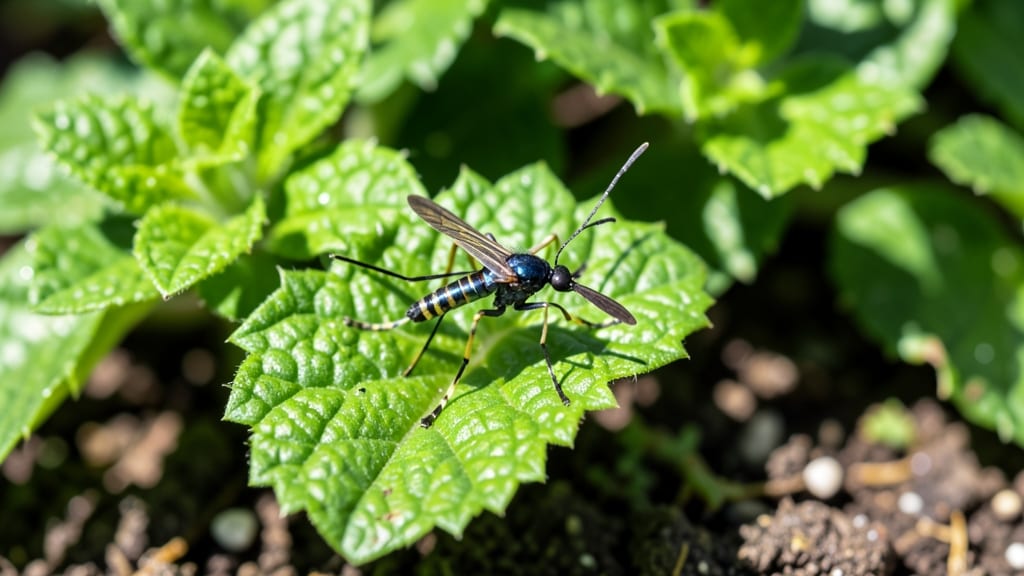
Peppermint repels mosquitoes through its menthol compounds, which interfere with their ability to detect human scents, though it’s far less potent than DEET or citronella. Planting peppermint near seating areas or using concentrated essential oils can help, but effectiveness depends on mosquito species and concentration.
Mosquitoes rely heavily on scent to locate hosts, and peppermint’s menthol compounds temporarily mask human odors by overloading their sensory receptors. 🔥 While this makes peppermint a natural option for outdoor spaces, studies show it works best in direct contact—like crushed leaves near doorways—rather than as a standalone spray.
For stronger protection, combine it with other repellents like eucalyptus or basil, which target different mosquito receptors. The key is consistency: fresh peppermint plants or high-quality essential oils yield better results than dried herbs.
That said, don’t expect miracles—peppermint’s effectiveness varies by mosquito species. Aedes aegypti (the dengue carrier) is particularly resistant, while common house mosquitoes often respond better. For reliable defense, pair peppermint strategies with proven repellents like picaridin or wear long sleeves during peak mosquito hours (dawn/dusk).
💡 In This Article
- How Peppermint’s Menthol Compounds Work Against Mosquitoes
- Best Ways to Use Peppermint for Mosquito Deterrence
How peppermint’s menthol compounds work against mosquitoes
Mosquitoes locate hosts primarily through scent, using specialized receptors on their antennae to detect carbon dioxide, lactic acid, and body odors. Peppermint’s secret weapon is menthol, a natural compound that overstimulates these receptors with its strong minty aroma.
When menthol molecules bind to the mosquito’s olfactory neurons, they create sensory overload, temporarily disrupting their ability to track human scents.
This effect is most pronounced with L-menthol, the primary isomer in peppermint oil, which has been shown in lab studies to reduce mosquito landing rates by up to 30-50% in controlled environments. 🔥
The effectiveness varies by mosquito species because their sensory systems differ. For example, Aedes aegypti (the dengue carrier) has evolved stronger resistance to plant-based repellents, while Culex pipiens (common house mosquito) responds better to menthol.
Temperature also plays a role—menthol’s volatility increases in 70-80°F conditions, making it more effective during summer evenings when mosquitoes are most active. Studies comparing peppermint to citronella found that while both disrupt scent trails, citronella’s geraniol compounds create a broader olfactory blockade, explaining why commercial repellents often blend the two.
What most people don’t realize is that menthol’s repellent power diminishes over time. Fresh peppermint leaves release 0.5-1.2% menthol by weight, but this concentration drops by 40% within 24 hours when exposed to air. This is why crushed leaves or freshly distilled essential oils work better than dried herbs.
The key mechanism isn’t just masking odors—it’s creating an environment where the mosquito’s sensory system becomes confused, similar to how strong perfumes can deter them temporarily. However, this effect lasts only 1-3 hours without reapplication, making peppermint more of a supplementary repellent than a standalone solution. ✨
Comparing peppermint to synthetic repellents like DEET reveals a critical difference: DEET blocks mosquito receptors entirely by mimicking human skin compounds, while menthol creates sensory competition. This means peppermint works best in direct contact—like planting near doorways or using concentrated sprays—rather than as a room diffuser.
The threshold concentration for noticeable repellency sits around 10-20% menthol in oil blends, which is why commercial peppermint-based repellents often combine it with other essential oils to boost efficacy.
For practical application, consider that menthol’s repellent effect is most effective within a 3-5 foot radius of the source. This limited range explains why peppermint works better for small patios or garden seating than large open areas.
The compound’s cooling sensation on human skin is actually a red herring—mosquitoes don’t detect temperature changes as effectively as they do chemical cues, so the "cooling" effect doesn’t directly repel them.
Instead, it’s the 100+ volatile organic compounds in peppermint oil that create the complex aroma profile mosquitoes find overwhelming. 💫
When testing peppermint’s effectiveness, researchers use Y-tube olfactometer tests where mosquitoes choose between scented and clean air paths. In these controlled experiments, peppermint oil reduces mosquito attraction by 25-40% compared to 60-90% for DEET.
The difference becomes even more pronounced when combined with other repelling plants like basil (eugenol compounds) or lavender (linalool), which target different olfactory pathways. This synergy explains why gardeners often report better results when planting multiple repellent species together.