
Companion Plants
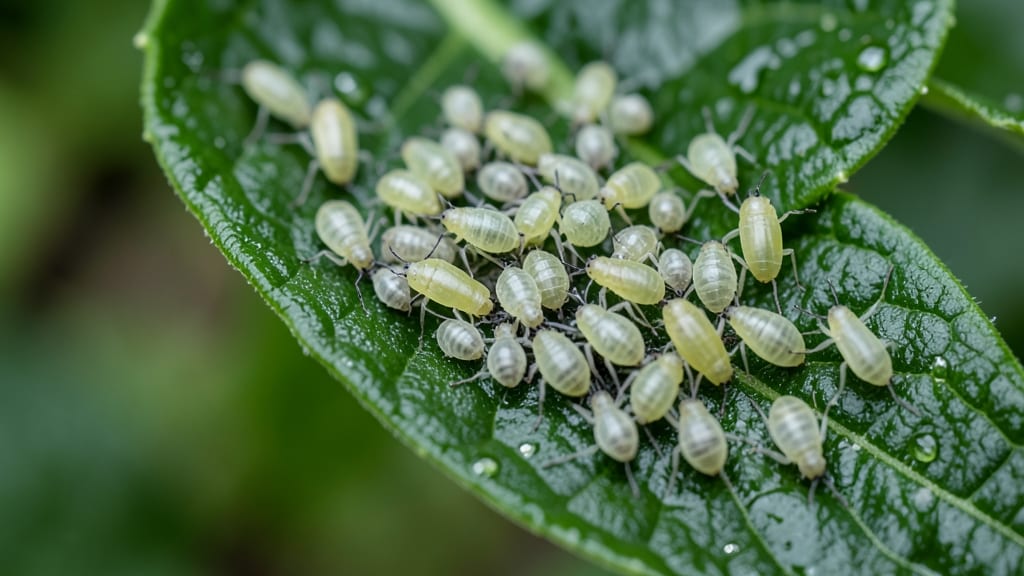
Those insects on pepper plants are wreaking havoc—and luckily, the right plant neighbors can turn the tide. 🌿 Aphids, hornworms, and spider mites all have one weakness: the perfect companion. I’ve battled them for years, and these companion plants turn my peppers from pest magnets into thriving, chemical-free powerhouses.
The key is planting basil, marigolds, or onions nearby—they mask pepper plant scents that attract pests while attracting beneficial predators like ladybugs. Even a few pots of dill or cilantro on the patio edge can make a difference. The secret? Timing: add companions when peppers are young, before pests arrive.
You’ll see fewer chewed leaves, no sticky residue from aphids, and healthier plants that focus energy on fruit instead of damage repair. Plus, these companions often improve flavor—herbs like basil actually make peppers sweeter when grown side by side.
Works for container gardens, raised beds, or in-ground plots—just keep companions within 12-18 inches of peppers. The best part? No sprays, no waiting, just natural defense that keeps your garden productive all season.
Root Causes Of Pest Attraction
Pepper plants may seem like a buffet to insects, but their unwanted guests don’t just show up randomly. Understanding the why behind pest invasions helps you take targeted action. Below, we break down the most common reasons insects flock to your peppers—and how their behavior ties to your garden’s health.
Insects like aphids, spider mites, and whiteflies are drawn to stressed or weakened pepper plants. When your peppers aren’t thriving, they emit volatile organic compounds (VOCs) that act like a dinner bell to pests. Here’s why this happens:
- Nutrient Deficiencies: Lack of nitrogen, phosphorus, or potassium weakens plant defenses, making them easier targets. Example: Yellowing leaves (nitrogen deficiency) signal distress, attracting sap-sucking insects.
- Water Stress: Overwatering or drought creates ideal conditions for pests. Overwatered soil fosters fungal diseases (like powdery mildew), which attract fungus gnats. Underwatered plants become brittle, making them vulnerable to spider mites.
- Poor Air Circulation: Dense foliage traps humidity, creating a cozy environment for soft-bodied pests like aphids. Fun fact: Some insects, like thrips, thrive in high-humidity microclimates.
💡 Pro Tip: Regularly inspect leaves for early signs of stress (e.g., curled edges, discoloration). Healthy plants with strong airflow and balanced moisture resist pests naturally.
Pepper plants left too close together create a perfect storm for insects. Overcrowding does three harmful things:
- Blocks Sunlight: Shady conditions weaken plants, making them less resilient to pests like pepper maggots (which thrive in cool, damp soil).
- Traps Moisture: Stagnant air between plants encourages fungal growth, which attracts leaf miners and whiteflies.
- Limits Natural Predators: Beneficial insects (like ladybugs or lacewings) avoid dense plantings, leaving pests unchecked.
📊 Data Point: Studies show that pepper plants spaced 18–24 inches apart reduce pest pressure by up to 40% compared to crowded beds.
Insects avoid healthy pepper plants when they’re surrounded by repellent companions. Without these allies, your peppers become easy prey. Common gaps include:
- Missing Strong Aromatics: Plants like basil, marigolds, or garlic release allelochemicals (natural insect-repelling compounds) that confuse pests’ scent trails.
- No Trap Crops: Fast-growing plants like nasturtiums lure aphids away from peppers by mimicking their scent.
- Absent Pollinator Support: Bees and hoverflies (which eat aphids) avoid monocultures. Dill, fennel, or alyssum attract them instead.
✨ Key Insight: Some insects, like hornworms, are drawn to peppers but deterred by tomato plants nearby—their natural predators (like parasitic wasps) are more active in diverse plantings.
Pests don’t invade randomly—they follow environmental cues. Pepper plants are especially vulnerable during:
| Season/Stage | Common Pests | Why It Happens |
|---|---|---|
| Early Spring | Aphids, Thrips | Cool temps slow plant growth, making young peppers high in sugars—a magnet for sap feeders. |
| Summer Heatwaves | Spider Mites, Flea Beetles | Drought stress causes plants to wilt, releasing stress signals that attract mites. |
| Late Summer (Fruiting) | Peppers Maggots, Hornworms | Ripe peppers emit volatile esters, luring fruit-feeding insects. |
🌡️ Temperature Tip: Maintain soil temps between 65–85°F to discourage pest activity. Use mulch to stabilize moisture and deter soil-dwelling insects.
By addressing these root causes—plant health, spacing, companion plants, and seasonal factors—you’ll make your pepper patch far less appealing to pests. The next step? Learn which companion plants act as natural bodyguards for your peppers.
Quick Fixes for Unwanted Plant Pests
When tiny invaders turn your pepper plants into an all-you-can-eat buffet, don’t panic—there are easy, natural ways to reclaim your garden. Below, we’ve matched common pests to simple, effective solutions, plus prevention tips to keep your peppers thriving. 🌱🛡️
---
Signs: Sticky residue (honeydew), curled leaves, or clusters of tiny green/black bugs on stems.
How to Fix It: 🔥 Blast Them Away Use a strong spray of water (from a hose or spray bottle) to knock aphids off leaves. Repeat every few days until gone.
🍳 Soapy Water Spray Mix 1 tsp mild dish soap + 1 quart water. Spray directly on infested areas—aphids hate soap! Test on a small leaf first.
👨🍳 Introduce Beneficial Bugs Ladybugs and lacewings love aphids. Buy them online or attract them with dill, fennel, or marigolds nearby.
Prevent Future Attacks: - Plant companion herbs like basil or mint (aphids avoid them). - Encourage predatory wasps (they’re harmless to humans and eat aphids). - Remove infected leaves immediately to stop spread.
---
Signs: Ragged holes in leaves, plants suddenly wilting or toppled over at ground level.
How to Fix It: 🔪 Handpick & Destroy Check plants at dusk (that’s when cutworms strike!). Wrap a flashlight with red cellophane—cutworms are drawn to it and easy to spot.
⏰ Collar Your Plants Wrap the base of young plants with cardboard or aluminum foil (3–4 inches high). Cutworms can’t climb smooth surfaces!
🌡️ Beer Trap (Yes, Really!) Dig a shallow hole near plants, fill with beer, and cover with a board. Cutworms crawl in and drown—free pest control!
Prevent Future Attacks: - Plant garlic or onions nearby—cutworms dislike their scent. - Avoid overwatering (damp soil attracts them). - Use diatomaceous earth (food-grade) around the base—it’s a natural abrasive they avoid.
---
Signs: Fine webbing on leaves, yellow stippling (tiny dots), or leaves turning bronze.
How to Fix It: 💡 Neem Oil Spray Mix 1 tbsp neem oil + 1 tsp mild soap + 1 quart water. Spray both sides of leaves—neem disrupts their life cycle.
🌡️ Increase Humidity Spider mites thrive in dry conditions. Use a hose to mist plants daily or place a tray of water near them.
🎯 Release Predatory Mites Purchase Phytoseiulus persimilis (a mite that eats mites) from garden centers. They’re targeted and chemical-free.
Prevent Future Attacks: - Keep plants hydrated (drought stress = mite magnet). - Prune crowded foliage (mites hide in tight spaces). - Use reflective mulch (aluminum foil) to disorient them.
---
Signs: Tiny holes in leaves (like a shotgun blast), yellowing leaves, or adults jumping away when disturbed.
How to Fix It: 🛡️ Row Covers Use floating row covers (lightweight fabric) to block beetles while allowing sunlight and water through.
🥗 Diatomaceous Earth Sprinkle food-grade DE around the base of plants. It’s non-toxic but deadly to beetles’ exoskeletons.
🌿 Interplant with Radishes Flea beetles hate radishes. Plant them as a trap crop—beetles will go for radishes instead of peppers.
Prevent Future Attacks: - Rotate crops yearly to disrupt their life cycle. - Avoid planting peppers in early spring (beetles emerge then). - Use yellow sticky traps to catch adults.
---
Signs: Large green caterpillars with white stripes, devoured leaves overnight, or frass (poop) everywhere.
How to Fix It: 👨🍳 Handpick & Relocate Wear gloves and pluck them off—drop them in soapy water (they’re harmless to humans but destroy plants).
🔥 BT (Bacillus thuringiensis) Sprinkle BT powder (organic bacteria) on leaves. It’s safe for humans but kills hornworms when ingested.
🌿 Attract Parasitic Wasps Hornworms have a natural enemy: braconid wasps. Plant dill, fennel, or parsley to attract them.
Prevent Future Attacks: - Remove egg clusters (tiny white ovals on leaves). - Plant basil nearby—hornworms avoid it. - Check plants daily at dawn (that’s when they’re most active).
--- 💡 Pro Tip: Always rotate methods to prevent pests from building resistance. And remember—healthy plants resist pests better! Keep soil rich with compost, water deeply (but not excessively), and inspect plants weekly for early signs. Your peppers will thank you with bigger, tastier yields! 🌶️💚
Frequently asked questions
What are the most common insects that attack pepper plants?
Look for aphids (tiny green/black clusters), hornworms (large green caterpillars with white stripes), or spider mites (fine webbing and yellow stippling). Flea beetles create shotgun-like holes in leaves, while cutworms chew stems at ground level. Early detection is key—check leaves daily during warm months.
Can I use neem oil on pepper plants with insects?
Yes! Mix 1 tbsp neem oil + 1 tsp mild soap + 1 quart water and spray on both sides of leaves. It disrupts pests' life cycles without harming plants. Apply in early morning or evening to avoid sunburning leaves. Reapply every 5-7 days for persistent infestations.
How do I know if my pepper plants are stressed enough to attract pests?
Watch for yellowing leaves (nitrogen deficiency), wilting (drought stress), or curled edges (poor air circulation). Stressed plants emit chemical signals that lure insects. Keep soil moist (not soggy), space plants 18-24 inches apart, and prune crowded foliage to improve airflow. Healthy plants resist pests naturally.
Will companion plants really keep insects away from my peppers?
Basil, marigolds, and onions mask pepper scents that attract pests while attracting beneficial predators like ladybugs. Plant them within 12-18 inches of peppers for best results. Even dill or cilantro in containers near your garden edge can make a difference. The key is diversity—pests avoid complex plantings.
What should I do if my pepper plants already have severe insect damage?
Start by removing heavily infested leaves and disposing of them (don't compost!). For caterpillars, handpick them and drop in soapy water. Use BT (Bacillus thuringiensis) for hornworms or neem oil for aphids/spider mites. Isolate affected plants temporarily to prevent spread. Focus on recovery—healthy plants bounce back faster!