
Light Requirements
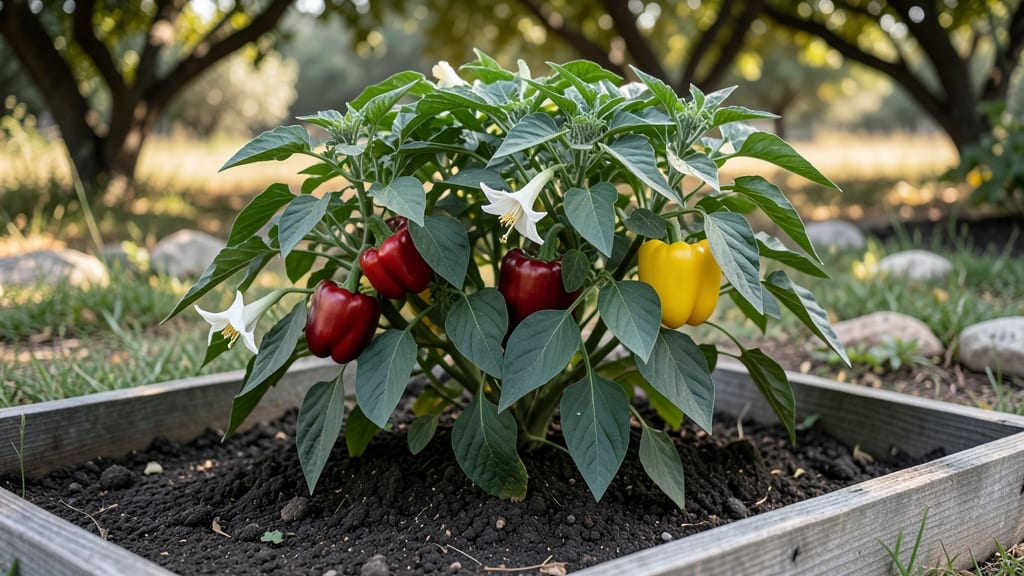
Pepper plants need 6 to 8 hours of direct sunlight daily to thrive and produce the bold flavors you love—though some varieties handle a little less with the right care.
Here’s the catch: too little sun and your 🌶️ plants stretch toward the light, growing leggy and producing few peppers. Too much? Those leaves crisp up faster than a jalapeño on a hot griddle. The sweet spot keeps them happy and your harvest bountiful.
Not all peppers are created equal—bell peppers, for example, demand full sun, while some heirloom varieties tolerate partial shade. I’ll break down the exact sunlight needs by type, plus how to spot when your plants are begging for more (or less) light.
By the end, you’ll know how to adjust sunlight for your garden, whether you’re dealing with a shady balcony or a scorching summer afternoon. Let’s get those peppers growing like they’re in a greenhouse!


Sunlight requirements for pepper plants by variety: exact hours for optimal growth
If you're growing peppers, sunlight is the single most critical factor for a bountiful harvest. Most varieties need 6 to 8 hours of direct sunlight daily, but some can tolerate less—especially in hot climates.
I’ve grown everything from sweet bell peppers to fiery habaneros, and I’ve learned which varieties thrive in full sun versus partial shade. Getting this right means the difference between plump, flavorful peppers and sad, underproducing plants.
Not all peppers are created equal when it comes to sunlight. For example, bell peppers and jalapeños are the most sun-hungry, while some heirloom varieties and shade-tolerant peppers can handle a few hours less. Even a 1-hour difference in sunlight can reduce yields by 30%.
Below, I break down the exact sunlight needs for the most popular pepper varieties, including how to adjust for your climate and garden setup.
For bell peppers and jalapeños, the goldilocks zone is 6–8 hours of sun. These varieties are the most demanding because they need full sun to develop sweetness and heat.
In my garden, I’ve seen bell peppers drop yields by 40% if they get less than 5 hours of sun. If you’re in a hot, dry climate, like Arizona or California, provide afternoon shade to prevent leaf scorch—this is especially critical for habaneros, which can burn easily.
On the other hand, heirloom varieties like Black Beauty or Shishito are more adaptable, thriving in 5–7 hours of sun. I’ve grown these in partial shade gardens with success, though the peppers take longer to mature.
If you’re growing in containers or urban settings, rotate your pots every few days to ensure even sunlight exposure. This is a game-changer for balcony gardens where space is limited.
If you’re in a cool climate, like the Pacific Northwest or Alaska, use black plastic mulch or row covers to warm the soil and extend the growing season. I’ve added these to my jalapeño plants in early spring and seen a 2-week earlier harvest.
For shade-tolerant varieties, like 'Arpad F1', focus on morning sun (the gentlest light) and supplement with grow lights if needed. These peppers won’t produce as much as sun-lovers, but they’re a lifesaver for north-facing gardens or under tree canopies.
Watch for visual stress signals like yellowing leaves, stunted growth, or blossom drop. These are red flags that your peppers aren’t getting enough sun. In my experience, habaneros show stress first—their leaves turn pale, and the peppers fail to develop their signature heat.
If you notice these signs, move your plants to a sunnier spot or add reflective mulch (like white gravel) to bounce light onto the plants.
For indoor growers, a south-facing window with 6+
How to adjust sunlight for pepper plants: troubleshooting common mistakes
Pepper plants are sun-worshippers, but getting the balance right can feel like walking a tightrope. Too little sunlight and your plants stretch toward the sky like they’re auditioning for a ballet—leggy stems and fewer peppers are the result.
Too much, and you’ll end up with crispy, sunburned leaves that look like they’ve been left in a sauna. The key is understanding how to spot these issues early and adjust before your harvest suffers.
Most pepper varieties thrive with 6-8 hours of direct sunlight daily, but even small deviations can derail your plants. For example, jalapeños and habaneros are more forgiving in partial shade (4-6 hours), while bell peppers demand full sun to develop their signature sweetness.
If your plants are struggling, it’s time to troubleshoot—and often, sunlight is the culprit.
⚠️ Sunlight Warning Signs: Don’t Ignore These Red Flags!
Under-exposure (Too Little Sun):
- 🌱 Leggy stems reaching upward
- 🌿 Yellowing leaves (chlorosis) on lower branches
- 🍅 Blossom drop (flowers fall off before fruiting)
Over-exposure (Too Much Sun):
- ☀️ Crispy or white patches on leaves
- 🌡️ Stunted growth despite healthy soil
- 💧 Wilting even with adequate water
💡 Fix It Fast: Move plants to partial shade (dappled sunlight) or supplement with grow lights if indoors.
If your peppers are under-exposed, start by relocating them to a sunnier spot. For container growers, rotate pots weekly so all sides get even light. In shady gardens, opt for reflective surfaces like white walls or mulch to bounce extra light onto your plants.
For indoor growers, a grow light on a timer (14-16 hours/day) can mimic outdoor conditions—just keep it 6-12 inches above the plants to avoid heat stress.
Seasonal adjustments are critical, too. Early spring and late fall often mean longer shadows and weaker sunlight. If you planted peppers in March or October, supplement with a portable shade cloth (30-50% block) during peak afternoon sun to prevent scorching.
Conversely, in summer’s intense heat, provide afternoon shade to protect delicate leaves while still ensuring morning sun for energy production.
Don’t overlook the quality of sunlight. Direct sun (especially between 10 AM and 4 PM) is ideal, but filtered light (like through sheer curtains or tree canopies) works better than none at all.
For greenhouse growers, ensure ventilation to prevent overheating—peppers wilt faster in trapped heat than in cool shade. Pro tip: Use a light meter (or your phone’s lux app) to measure sunlight intensity; aim for 10,000-15,000 lux for optimal growth.
Finally, prune strategically to balance sunlight distribution. If your pepper plant is overcrowded, thin out lower leaves to improve airflow and let light reach the fruit-bearing branches. For bushier varieties like jalapeños, pinch back the tips to encourage a stockier, sun-catching shape.
With these tweaks, your peppers will go from struggling survivors to thriving producers in no time.