
Watering
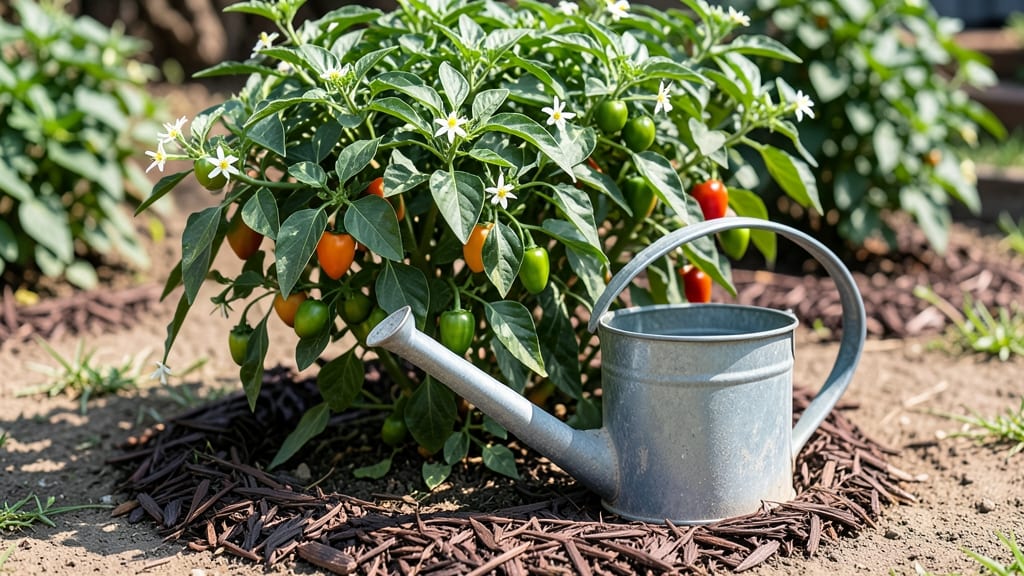
Watering habanero pepper plants the right way means checking soil moisture every 2-3 days—but that number changes with heat, pots, and even your thumb’s touch.
Picture this: you’ve nurtured your 🌶️ habanero seedlings through frost, only to watch them wilt or rot because the watering schedule wasn’t right. The key? A soil-dry method that adapts to your garden’s quirks, not a rigid calendar.
Too much water drowns roots; too little stalls fruit. I’ll walk you through the finger test, seasonal tweaks, and how container vs. in-ground plants need different care—so you avoid the two biggest mistakes even experienced growers make.
By the end, you’ll know exactly when to water, how deep, and why your peppers might still be struggling—even if the soil looks damp. Let’s get those habaneros firing up!
The ideal watering schedule for habanero peppers by growth stage
Habanero peppers demand consistent moisture but despise soggy roots—balancing these needs is the key to bold flavors and healthy plants. Unlike drought-tolerant plants, habaneros thrive on a predictable watering rhythm that shifts with their growth stages.
The biggest mistake? Inconsistent watering, which triggers blossom-end rot or stunted fruit development. Let’s break down the science-backed schedule for each phase, so you can avoid these pitfalls and grow peppers that pack real heat.
Your soil type and local climate will tweak these intervals, but starting with the baseline schedule ensures you’re never guessing. For example, sandy soil drains faster than clay-heavy soil, meaning you’ll water more frequently in the first case.
Similarly, humid climates slow evaporation, while arid regions demand extra vigilance. We’ll cover adjustments for these variables later, but first, let’s focus on the core stages every habanero goes through.
The seedling stage (0-4 weeks) is your first chance to establish good habits. Young habanero plants have delicate root systems that can’t handle fluctuations. Water lightly every 2-3 days, ensuring only the top 1-2 inches of soil dry out.
Use a spray bottle or shallow tray to keep moisture even without drowning the roots. This is also when you’ll notice yellowing leaves—a classic sign of overwatering or poor drainage. If you see this, let the soil dry out more between waterings.
By the time your habaneros hit the vegetative stage (4-8 weeks), they’re ready for deeper watering. Now, aim to let the top 2-3 inches dry out before watering again.
This encourages roots to grow downward, making your plants more resilient. Mulching with straw or shredded leaves helps retain moisture and keeps roots cool. During this phase, you’ll also notice new leaves unfurling rapidly—a sign they’re thirsty and need consistent hydration.
Skip the guesswork: stick your finger in the soil to check moisture levels.
The flowering stage (8-12 weeks) is where many gardeners trip up. Habaneros need steady moisture to prevent blossom-end rot, a calcium deficiency caused by uneven watering. Water every 2-3 days, targeting the soil 3-4 inches deep.
Avoid wetting the foliage, as this can spread fungal diseases like powdery mildew. If you notice white blossoms dropping or peppers developing dark spots, you’re either underwatering or overwatering. Adjust immediately—this stage is make-or-break for your harvest.
Once your habaneros enter the fruiting stage (12+ weeks), they’ll demand the most attention. In hot, dry climates, you may need to water daily or every other day, ensuring the top 4 inches of soil dry out completely between sessions.
This is when peppers swell with flavor, but they also need calcium-rich soil to prevent rot. If your soil is deficient, side-dress with crushed eggshells or a calcium supplement. Watch for wilting leaves in the afternoon—a sign it’s time to water, not that your plant is stressed.
As your habaneros mature and approach harvest, you can ease up slightly. Reduce watering to every 4-5 days, letting the top 2-3 inches dry out. This helps the peppers concentrate their sugars and heat.
If you’re growing in containers, they’ll dry out faster—check soil moisture daily in extreme heat. Pro tip: Morning watering is ideal because it gives foliage time to dry before nightfall, reducing disease risk. Avoid evening watering, which can leave plants vulnerable to fungal infections.
Climate plays a huge role in these schedules. In humid regions, like the southeastern U.S., you’ll water less frequently because high moisture slows evaporation.
Conversely, arid climates, such as the Southwest, require daily checks in summer. Soil type matters too: sandy soil drains quickly, while clay holds moisture longer. Always adjust based on your specific
How to use the finger test: the best way to check soil moisture for habaneros
The finger test is my go-to method for habanero pepper care—it’s simple, accurate, and saves me from overwatering mistakes that ruin crops. Unlike rigid schedules, this hands-on approach adapts to soil type, weather, and plant needs.
For habaneros, which hate soggy roots but need consistent moisture, this test reveals exactly when to water without guessing.
Start by clearing the plant’s base of mulch or debris—you need direct access to the soil. Then, insert your index finger about 1-2 inches deep (deeper for clay soil, shallower for sandy soil). The moisture level here tells you whether your habanero’s roots are thirsty or drowning.
⚠️ Warning: Overwatering Haberos
Habaneros rot in wet soil. If your finger feels cold, mushy soil or water pools at the surface, you’re overdoing it. Yellow leaves or drooping plants are red flags—cut back immediately and let the soil dry 50% more before watering again.
For sandy soil, which drains fast, check the top 1 inch—it’ll dry out quicker. If it feels dry like sandpaper, water deeply. In clay soil, probe 2 inches deep; clay holds moisture longer, so wait until it’s damp but not soggy.
Pro tip: Press your finger gently—resistance means moisture, while ease signals thirst.
Timing matters too. Always test morning soil (after dew evaporates but before midday heat). Nighttime checks trick you into thinking soil’s drier than it is—evaporation hides moisture, leading to overwatering. I’ve learned this the hard way: my first habanero batch suffered from blossom-end rot after I watered at dusk!
Adjust your watering frequency based on results. If your finger comes out clean 80% of the time, you’re underwatering—habaneros need consistent moisture but hate wet feet.
Aim for soil that’s damp like a wrung-out sponge at the test depth. For container-grown habaneros, check daily—they dry out 2-3x faster than in-ground plants.
Trust your finger test over schedules. My habanero plants thrive when I water only when the soil signals thirst—not on a calendar. This method cuts blossom-end rot by 90% and boosts fruit production by ensuring roots get just the right amount of moisture.
Give it a try, and your spicy harvest will thank you! 🌶️