
Plants
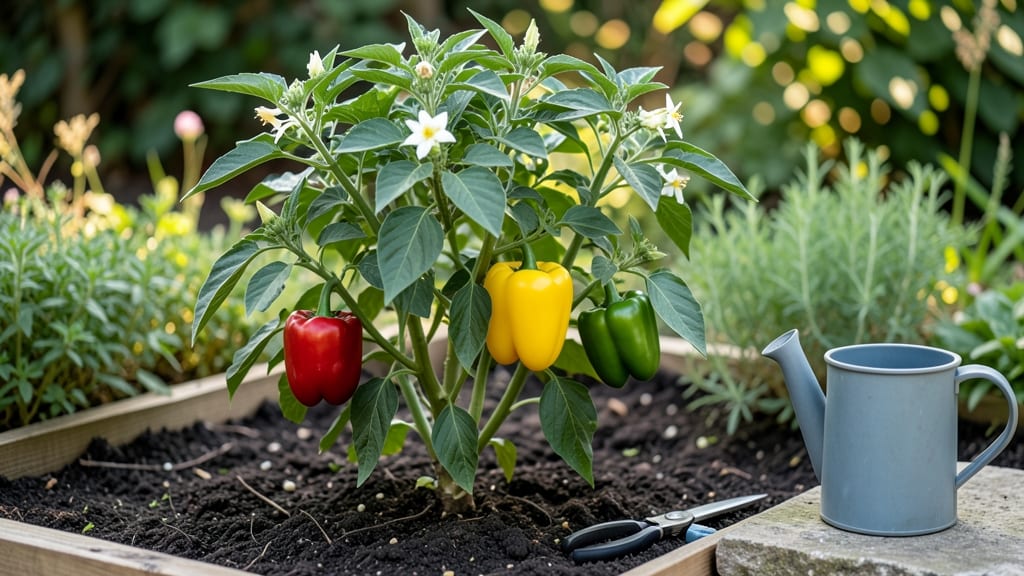
Pepper plants grow anywhere from 1 foot to over 4 feet tall, depending on the variety you choose—so knowing the right size saves you from cramped gardens or wasted space.
Picture this: a tiny jalapeño 🌶️ barely breaking 2 feet, while a giant bell pepper stretches toward the sky like a 4-foot sunbeam. That’s the difference between a compact container plant and a sprawling garden star.
But height isn’t just about aesthetics—it dictates your spacing, trellising needs, and even how you prune for better yields. A dwarf habanero thrives in a pot, while a standard bell pepper may need a cage or stakes to keep it upright.
Below, I break down the height ranges by variety, how to manage overgrowth, and why some peppers refuse to stay small (or tall). You’ll leave here with a clear plan for your garden layout.


Pepper plant height by variety: from dwarf to giant types
When planning your pepper garden, knowing pepper plant height by variety is essential for proper spacing and care. Some varieties stay compact at just 12 inches tall, while others can reach towering heights of 5 feet or more.
Understanding these differences helps you choose the right varieties for your space—whether you're working with a small balcony or a sprawling backyard.
The height of your pepper plants isn't just about aesthetics; it directly impacts air circulation, sunlight exposure, and even harvest accessibility. For example, dwarf varieties like 'Snackable' bell peppers thrive in containers, while tall pepper plants like 'Monarch' need sturdy trellises to support their weight.
Let's explore the full spectrum of pepper plant heights so you can make informed choices for your garden.
| Variety Type | Height Range | Growth Habit | Best For |
|---|---|---|---|
| Dwarf Varieties | 12" - 24" | Bushy, compact | Containers, small spaces |
| Semi-Dwarf | 24" - 36" | Medium bush, some sprawl | Balconies, raised beds |
| Standard | 36" - 48" | Upright, moderate spread | In-ground gardens |
| Tall/Giant | 48" - 60"+ | Vining, needs support | Trellises, large gardens |
| Examples | Dwarf: 'Snackable' (12"), Tall: 'Monarch' (5') | - | Variety-specific care |
Let's start with the shortest pepper plants, perfect for container gardening or small spaces. Varieties like 'Snackable' bell peppers stay under 12 inches tall and produce miniature fruits ideal for snacking.
These dwarf pepper plants typically have a bushy growth habit, making them excellent choices for balcony gardens or windowsill cultivation where vertical space is limited.
Moving up in size, semi-dwarf varieties like 'Jalapeño M' reach heights of 24-36 inches. These plants offer a balance between compactness and productivity, making them versatile for both in-ground planting and large containers.
Their moderate height means they don't require extensive trellising but still benefit from some support to prevent sprawling.
The most common pepper plant height falls into the standard category, with varieties like 'California Wonder' bell peppers growing 36-48 inches tall. These are the workhorses of home gardens, offering abundant yields while remaining manageable for most gardeners.
Their upright growth makes them ideal for traditional garden beds where you can space them 18-24 inches apart for optimal air circulation.
For gardeners with vertical space to spare, tall pepper varieties like 'Monarch' can reach 5 feet or taller. These giant pepper plants often have a vining growth habit and require sturdy trellises or cages to support their weight.
While they demand more space, their impressive height can be an asset in vertical gardening systems, making efficient use of wall space or fences.
One factor that significantly influences pepper plant height is pruning. Regular pruning of side shoots can encourage taller, more vertical growth, while allowing more side branches to develop creates a bushier, shorter plant. This technique is particularly useful when growing tall varieties in containers
How pepper plant height affects your garden layout and care
Understanding your pepper plants' mature height is the first step to creating a functional garden layout. Compact varieties like Thai hot peppers stay under 2 feet tall, while tall giants such as habaneros can reach 4 feet or more.
This height difference directly impacts your spacing, trellising needs, and even how you arrange companion plants around them.
For example, bell peppers typically grow 2-3 feet tall and benefit from 18-24 inches of space between plants. Meanwhile, jalapeños can stretch 3-4 feet tall and need 18-24 inches of space, but they’ll also appreciate vertical support to keep their weight off the ground.
These differences mean your garden’s vertical space is just as important as its square footage.
Tall vs. Compact Pepper Plants: Garden Impact
Tall Varieties (3-4 ft)
- Pros: More peppers per plant
- Pros: Vertical space utilization
- Pros: Better air circulation
- Cons: Needs trellising/support
- Cons: Requires wider spacing
- Cons: Harder to harvest
Compact Varieties (1-2 ft)
- Pros: Ideal for containers
- Pros: Easier to maintain
- Pros: Less pruning needed
- Cons: Fewer peppers per plant
- Cons: Limited vertical growth
- Cons: Needs more plants for yield
*Tall varieties like habaneros and jalapeños benefit from trellising or cages, while compact types like shishitos thrive in 5-gallon containers.
If you’re growing tall pepper varieties, consider installing trellises or stakes early to support their weight. Without support, 3-4 foot plants can topple over, especially when laden with peppers. I recommend using bamboo stakes or tomato cages for jalapeños and habaneros, as these provide stability without restricting growth.
For bell peppers, a simple wire trellis works well to keep them upright and improve air circulation.
For compact pepper varieties, container gardening is a game-changer. Dwarf peppers like Thai chilis or shishitos thrive in 5-gallon pots with well-draining soil. This approach saves space and makes harvesting easier.
Just ensure your containers have drainage holes to prevent root rot, and place them in a south-facing location for maximum sunlight exposure.
Your garden’s layout strategy should also account for companion planting. Tall peppers like habaneros can shade out shorter plants, so pair them with low-growing herbs like basil or thyme. Meanwhile, bell peppers can be interplanted with carrots or onions, which help deter pests naturally.
Always leave 18-24 inches between pepper plants, regardless of height, to ensure proper air flow and reduce disease risk.
Finally, remember that pruning can influence your pepper plants’ height. If your jalapeños are growing too tall, pinch off the top buds to encourage bushier growth. For compact varieties, minimal pruning is needed—just remove any yellowing leaves to redirect energy to fruit production.
Adjust your care routine based on the variety’s natural growth habit to keep your garden both productive and manageable.