
How To
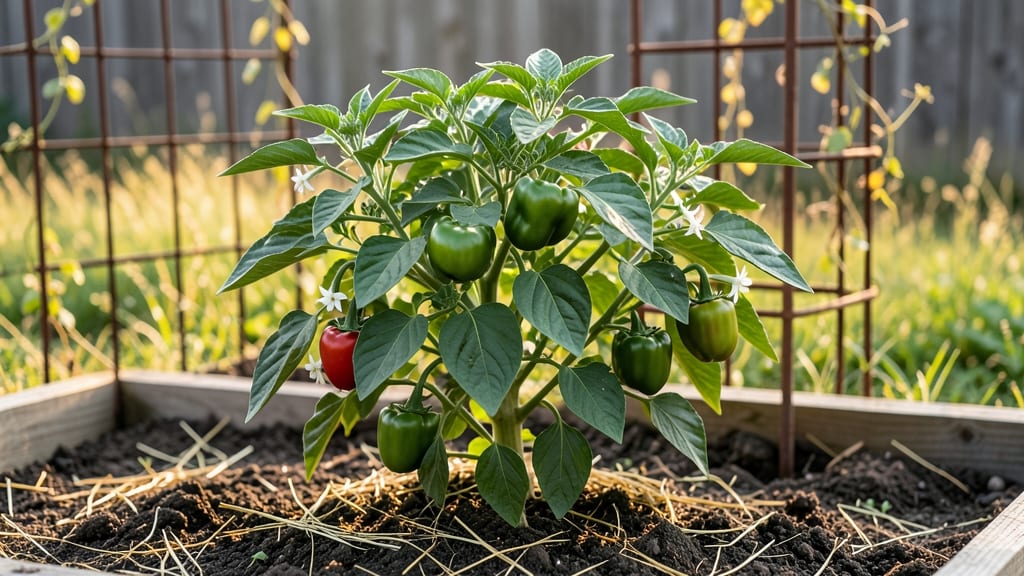
Cultivating black pepper at home means spice-filled vines climbing your porch or balcony—if you nail the tropical conditions and pole training. 🌿 I’ve grown mine for three years now, and the secret isn’t just heat and humidity—it’s mimicking the jungle environment where pepper thrives.
Without the right setup, even the hardiest plants struggle, but with a few key adjustments, you’ll have a productive vine in 12-18 months.
Start with well-draining, slightly acidic soil and a sturdy trellis or pole—pepper vines need vertical space to climb and produce fruit. Keep the soil consistently moist but never soggy, and provide 60-80% humidity (a humidity tray or misting system helps in dry climates).
Prune regularly to encourage bushier growth, and hand-pollinate flowers with a soft brush if you’re not getting enough natural pollinators. The first harvest comes after 2-3 years, but the effort pays off with homegrown peppercorns packed with flavor.
📚 In This Guide
- What you need
- Instructions
- Tips and common mistakes
- Wrapping up and next steps
What you need
- ● Black pepper seeds or cuttings: Seeds: 5–10 (ensure they’re fresh or pre-soaked for 24 hours).
- ● OR Cuttings: 2–3 healthy, 6-inch-long vine tips (from mature plants).
- ● Potting mix: 10–15 lbs of well-draining, peat-based or coconut coir mix (pH 5.5–6.5). Add perlite or vermiculite (10% of mix volume) for aeration.
- ● Containers: 5–7 gallon pots with drainage holes (or a raised bed in tropical climates).
- ● Poles or trellis: 6–8 ft bamboo stakes or metal poles (diameter: 2–3 inches) for pole training.
- ● Fertilizer: Balanced 10-10-10 fertilizer (1 tbsp per plant initially).
- ● Slow-release organic options like composted manure (1 cup per plant).
- ● Mulch: Straw or wood chips (2–3 inches thick) to retain moisture.
- ● Pruning shears (sterilized with rubbing alcohol).
- ● Trowel or small shovel for transplanting.
- ● Garden twine or soft ties (for securing vines to poles).
- ● Spray bottle (for misting seedlings).
- ○ Thermometer/hygrometer (optional but helpful—ideal temp: 70–90°F, humidity: 70–80%).
- ● Shade cloth (30–50%) (for seedlings in hot climates).
- ● Pest control: Neem oil or insecticidal soap (for aphids/spider mites).
Step-by-step instructions for cultivating black pepper in tropical climates
Here’s the method I’ve used to grow thriving pepper vines—with secrets for maximizing yield through proper pole training.
🌱 Step 1: Select and Prepare Healthy Cuttings or Seeds
Black pepper thrives from cuttings, which root faster than seeds. Choose 4-6 inch semi-hardwood cuttings from healthy, disease-free vines. Remove lower leaves to expose nodes—these will sprout roots when submerged in water. I use lukewarm water in a jar and change it every 3-4 days until roots reach 1-2 inches (about 4-6 weeks).
For seeds, soak them in warm water for 24 hours to soften the tough outer shell. Plant ½ inch deep in well-draining potting mix (pepper hates soggy roots) and keep soil consistently moist at 75-85°F. Germination takes 3-4 weeks—patience is key here. Real talk: If you rush this step, weak seedlings will struggle later.
☀️ Step 2: Establish a High-Humidity, Warm Growing Environment
Pepper vines need year-round warmth (65-90°F) and 70-80% humidity—mimic their tropical home. I set up a shade cloth (30-50%) over young plants to filter harsh sun while they establish. Once rooted, move them to bright, indirect light (direct sun can scorch tender leaves). A humidifier or pebble tray with water keeps moisture levels ideal.
Watch for yellowing leaves—this signals either overwatering or low humidity. Pepper vines wilt easily, so check soil moisture by touching the top inch. If it’s dry, water deeply; if it’s soggy, hold off. I’ve lost vines both ways, so this checkpoint matters.
🪴 Step 3: Train Vines on a Sturdy Support System
Here’s the secret to high yields: pole training. Install a 6-8 foot bamboo or wooden pole near each plant when vines reach 12 inches tall. Gently weave the main stem around the pole in a spiral, securing with soft plant ties every 6 inches. This encourages vertical growth and better air circulation (critical for disease prevention).
Prune side shoots to 2-3 leaves to focus energy on the main vine. You’ll see faster flowering and more peppercorns when vines climb properly. I space my poles 3 feet apart in rows to maximize sunlight exposure. If you skip this, vines sprawl, shade themselves, and produce fewer peppers.
💧 Step 4: Fertilize and Maintain for Optimal Flowering
Feed vines every 4-6 weeks with a balanced liquid fertilizer (10-10-10) diluted to half strength. Pepper plants are heavy feeders, but too much nitrogen = lush leaves, no peppers. Switch to a low-nitrogen, high-phosphorus (5-10-10) mix when buds form. I also add compost tea monthly for micronutrients—vines reward you with thicker foliage and more flowers.
Watch for white or yellow flowers—these signal readiness to pollinate. Pepper flowers are self-pollinating, but a gentle shake of the vine boosts fruit set. After flowering, reduce water slightly to encourage pepper development (overwatering causes blossom end rot). You’ll know you’re on track when green peppercorns form in clusters by 6-8 months.
✂️ Step 5: Harvest and Prune for Continuous Production
Harvest green peppercorns when they’re firm and ½ inch long (about 6-8 months after planting). For black pepper, wait until they turn red, then dry them in the sun or a dehydrator at 135°F for 2-3 days. Prune spent flowers to redirect energy to new growth—this keeps vines productive for years.
In tropical climates, vines grow year-round, so prune once a year to remove old wood and encourage new shoots. I’ve had vines produce for 5+ years with proper care. The key? Never let them dry out and always train them upward. Skip these steps, and you’ll end up with a tangled mess and poor yields.
Tips & tricks for cultivating black pepper in tropical climates
These hard-earned insights will help you avoid common pitfalls and maximize your pepper harvest.
Rooting Success: When propagating from cuttings, trim just below a node—this is where roots will sprout. I've found that using a clear jar lets you monitor root growth without disturbing the cutting. Once roots reach 1-2 inches (about 4-6 weeks), transplant carefully to avoid damaging those delicate roots. The lukewarm water temperature is crucial—too hot can cook the cutting, while cold water slows root development.
Environmental Precision: Maintaining that 75-85°F soil temperature during germination is non-negotiable. I use a seedling heat mat for the first 2 weeks until roots establish, then transition to ambient tropical warmth. The 70-80% humidity range is equally critical—any lower and your vines will struggle, any higher and fungal issues become a risk. A simple hygrometer helps monitor this precisely.
Pole Training Mastery: The 12-inch height before training is ideal—any shorter and the vine won't have enough strength to climb properly. When securing with plant ties, leave them loose enough to allow the vine to thicken naturally. I've seen vines trained too tightly develop girdling that strangles growth. The 6-inch spacing between ties creates perfect air circulation while still supporting vertical growth.
Harvest Timing: Those green peppercorns at ½-inch firmness are ready when they feel like small marbles—slightly yielding but not soft. For black pepper, wait until they're fully red (not just pink) before harvesting. The 135°F dehydrator setting is precise—any hotter and you risk burning the delicate peppercorns, any cooler and they won't dry properly. A food dehydrator with temperature control gives you the most consistent results.
Pro Tips for Cultivate Black Pepper
- These hard-earned insights will help you avoid common pitfalls and maximize your pepper harvest.
- Rooting Success: When propagating from cuttings, trim just below a node—this is where roots will sprout.
- Environmental Precision: Maintaining that 75-85°F soil temperature during germination is non-negotiable.
Frequently asked questions
Frequently Asked Questions About Cultivating Black Pepper
Got questions about growing your own black pepper? Here are some common ones—and their answers—to help you get started on the right foot!
How long does it take for a black pepper plant to produce fruit?
A black pepper plant typically takes 3–5 years to mature and produce fruit, depending on climate and care. In tropical conditions, you might see flowers and berries as early as 2 years, but patience pays off—healthy plants reward you with better yields over time!
Can I grow black pepper in a cooler climate?
Black pepper thrives in tropical climates (70–90°F), but you can try growing it in containers indoors near a sunny window or under grow lights. If temperatures drop below 50°F, the plant will suffer—so consider a greenhouse or move it inside during winter.
Do I need to train my pepper vines on a trellis?
Yes! Pole training (like a trellis or bamboo stake) is essential for black pepper plants. Without support, vines sprawl, reducing airflow and increasing disease risk. Plus, trained vines produce more flowers and fruit by directing energy upward.
What pests should I watch for, and how do I treat them?
Common pests include spider mites, aphids, and mealybugs. Treat mild infestations with neem oil or insecticidal soap. For severe cases, prune affected leaves and introduce ladybugs (natural predators). Keep humidity moderate to deter fungal issues too!
Can I harvest green peppercorns and dry them at home?
Harvest green peppercorns when fully ripe but still firm (about 6–8 months after flowering). Dry them in the sun or a 140°F oven for 2–3 days, stirring occasionally. Once black and brittle, store in an airtight container for up to 2 years.
Pro Tip:
Need a shortcut? Start with a healthy nursery-grown vine (3–5 feet tall) to skip the slow-growing seed stage. Just ensure it’s disease-free and acclimated to your climate before planting!
Wrapping up and next steps
Cultivating black pepper is a rewarding journey that combines tropical expertise with patience and care. By selecting the right variety, mastering pole training, and maintaining optimal growing conditions, you’ll unlock the potential of this aromatic treasure.
Whether you’re a hobbyist or aspiring commercial grower, every vine you nurture brings you closer to a bountiful harvest—so roll up your sleeves and let your garden spice up life! 🌱✨
Next step: Start small—plant your first pepper vine today and watch your green thumb grow! 🌿