
Picking
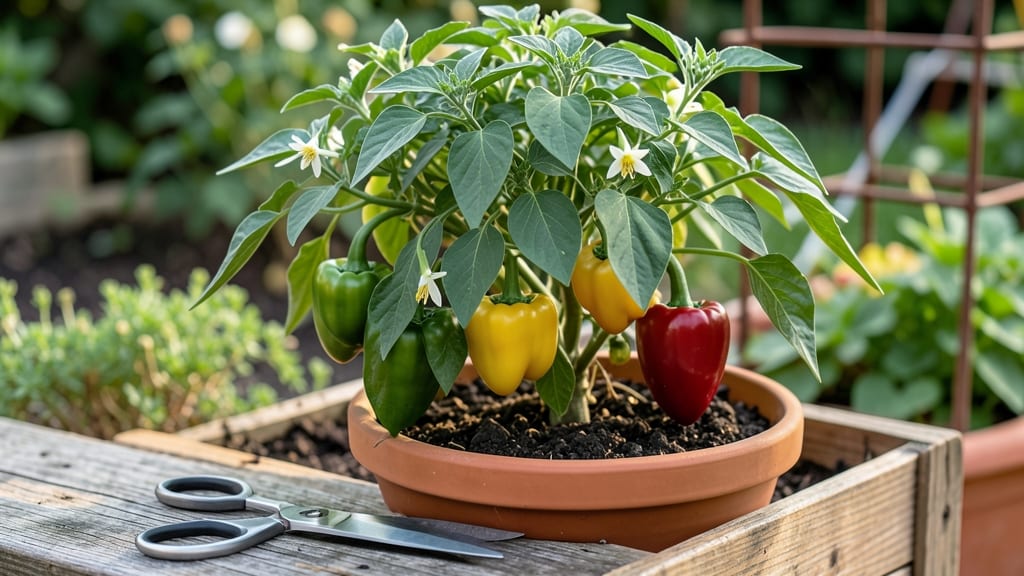
Drying out peppers unlocks their boldest flavors for sauces and seasonings all year. 🌶️ I used to waste perfectly good peppers just because they weren't fresh enough—until I learned this simple trick that turns soft-skinned peppers into concentrated flavor bombs.
The process starts with clean, whole peppers (or sliced if you prefer flakes) strung up in a dry, dark spot. You can also use an oven on low heat or a dehydrator for faster results.
My favorite method is air-drying because it preserves the most intense heat—just be patient, it takes about 2 weeks for them to crisp up completely. Once dry, store them in airtight containers away from light.
The flavor deepens over time, and you'll have homemade seasoning that beats anything in a jar. No more sad, shriveled peppers—just bold, aromatic goodness ready for your next dish. Works for jalapeños, serranos, or even bell peppers. Here's how to get started without wasting a single pepper!
📚 In This Guide
- What you need
- Instructions
- Tips and common mistakes
- Wrapping up and next steps
What you need
- ● Fresh peppers – Any variety (jalapeños, bell peppers, habaneros, etc.). Pick firm, ripe peppers with no blemishes for best results. Pro tip: 🌶️💡 Use organic peppers if possible to avoid wax coatings.
- ● Sharp knife or kitchen shears – For clean cutting (avoid crushing seeds!).
- ● Cutting board – A sturdy one to keep your workspace tidy.
- ● Paper towels or clean kitchen cloth – To pat peppers dry before drying.
- ● For air-drying: String or twine (about 10–15 feet, depending on pepper quantity).
- ● Drying rack, mesh bag, or even a clean, well-ventilated spot (like a pantry or garage).
- ○ Clothespins or rubber bands (optional, for securing peppers to strings).
- ● For oven-drying: Baking sheet lined with parchment paper or a silicone mat.
- ● Oven preheated to 175–200°F (80–93°C) (low and slow is key!).
- ● For dehydrator: Food dehydrator with adjustable temperature settings (135–165°F / 57–74°C recommended).
- ● Dehydrator trays (clean and food-safe).
- ● Food-grade plastic bags or glass jars with lids for storage.
- ● Vacuum sealer (to extend shelf life even further!).
- ● Labeling supplies (masking tape + marker) to note pepper types and drying dates.
- ● Humidity absorber (like silica gel packets) for long-term storage.
Step-by-Step instructions for drying out peppers
Here's my foolproof method for drying peppers that brings out their deepest flavors—no fancy equipment needed.
🌿 Step 1: Select and Prepare Your Peppers
Choose firm, fully ripe peppers with vibrant color and no soft spots. I like to use a mix of jalapeños, serranos, and bell peppers for variety. Cut them in half lengthwise and remove seeds and membranes—this prevents bitterness and speeds drying.
Leave the peppers whole or slice them into ¼-inch strips for faster drying. Arrange them cut-side up on a clean, dry surface. You'll notice the flesh turns slightly translucent at the edges as moisture starts to evaporate—this is your first sign drying is working.
☀️ Step 2: Choose Your Drying Method
For sun drying, place peppers on a wire rack or clean screen in a warm, dry spot with direct sunlight for 3-5 days. I set mine on my balcony during summer afternoons when humidity is low. The peppers will darken and shrink as they dry—watch for them to feel leathery to the touch.
For oven drying, preheat to 175°F and place peppers on a baking sheet lined with parchment. Prop the oven door open 2 inches with a wooden spoon to allow moisture to escape. Drying takes 4-6 hours—check periodically and stir gently. You'll know they're done when they're completely dry with no moisture left in the flesh.
🌱 Step 3: Test for Doneness and Store Properly
Peppers are fully dried when they're completely brittle and break with a crisp snap. Press a pepper between your fingers—if it crumbles easily, it's ready. Store dried peppers in an airtight container away from light and moisture. They'll keep for up to a year if sealed properly.
For extra preservation, you can crush dried peppers into flakes or grind them into powder. I like to keep them whole for rehydrating in soups or sauces—just drop a few in boiling water for a quick flavor boost. The aroma will tell you if they've gone stale (no smell means they've lost potency).
⏰ Step 4: Rehydrate and Use (Optional)
To rehydrate, soak dried peppers in warm water for 15-30 minutes until pliable. They'll soften but retain their flavor intensity. Use them in cooking just like fresh peppers—though they'll be much more concentrated. I often add them to salsas, stews, or even sprinkle them over tacos for a smoky kick.
Here's the thing—dried peppers develop deeper, more complex flavors over time. The longer they cure, the richer they become. Store them in small batches so you always have fresh-tasting peppers ready whenever you need them.
Tips & tricks for perfectly dried peppers
Real talk: Drying peppers right transforms them from good to extraordinary—here's what I've learned after perfecting this process over years.
Selection Matters: Choose peppers that are fully ripe but not overripe—look for vibrant color and firm texture. Overripe peppers develop bitter flavors during drying, and underripe ones won't develop full flavor. I always test a small batch first to check for bitterness before committing to a full harvest.
Slice Thickness Is Critical: The ¼-inch strips mentioned in Step 1 are ideal because they dry evenly without becoming brittle too quickly. Thicker slices take longer to dry completely, while thinner slices can burn in the oven or dry too fast in the sun. For even drying, arrange slices with ¼-inch gaps between them to allow proper airflow.
Humidity Control: Both sun drying and oven drying require low humidity for success. On humid days, oven drying at 175°F is more reliable than sun drying, which can fail completely if dew forms overnight. I've ruined batches when humidity crept above 60%—always check your local weather forecast before sun drying.
Storage Wisdom: Once dried, store peppers in small batches in airtight containers with a packet of silica gel or a slice of bread to absorb any remaining moisture. The bread trick keeps peppers from becoming stale, and the silica gel prevents clumping. Label containers with the drying date so you can rotate stock—older dried peppers develop deeper, more complex flavors over time.
Pro Tips for Dry Out Peppers
- Real talk: Drying peppers right transforms them from good to extraordinary—here's what I've learned after perfecting this process over years.
- Selection Matters: Choose peppers that are fully ripe but not overripe—look for vibrant color and firm texture.
- Slice Thickness Is Critical: The ¼-inch strips mentioned in Step 1 are ideal because they dry evenly without becoming brittle too quickly.
Frequently asked questions
Got questions about drying peppers? You’re not alone! Here are answers to the most common concerns—from timing to troubleshooting—to help you master the art of pepper preservation.
How long does it take to dry peppers?
Drying time varies by method: air-drying (2–4 weeks), oven-drying (1–3 hours at 175°F), or dehydrator (4–8 hours). Thin peppers (like jalapeños) dry faster than thick ones (like bell peppers). Check for crispness—when they bend easily, they’re ready!
Can I speed up the drying process?
Yes! Use a dehydrator or low oven (175°F–190°F) to cut drying time to hours instead of weeks. For air-drying, place peppers in a well-ventilated, sunny spot or use a fan to circulate warm air. Just avoid high heat—it burns peppers instead of drying them!
What if my peppers mold during drying?
Mold happens if peppers aren’t dry enough or the area is too humid. Stop drying immediately—moldy peppers can’t be saved. To prevent it, ensure peppers are completely dry before storing and keep them in a cool, dark, dry place (like a jar or sealed bag with silica packets).
How do I store dried peppers long-term?
Store dried peppers in airtight containers (glass jars or vacuum-sealed bags) in a cool, dark pantry. They’ll last 6–12 months if fully dehydrated. For extra shelf life, freeze them—just thaw before using. Label with the pepper type and date!
Can I dry pepper stems and seeds to use later?
Yes! Save seeds by drying them on a paper towel for 1–2 days, then store in a sealed container. For stems, dry them whole (like peppers) and crush into powder for homemade hot sauce or seasoning blends. Just remove stems from peppers before drying to avoid bitterness.
Wrapping up and next steps
Drying peppers is a simple yet rewarding way to unlock bold, concentrated flavors that last all year—whether you’re craving heat for homemade hot sauce or a smoky kick for rubs.
With the right tools, a little patience, and these tried-and-true methods (air-drying, oven-drying, or dehydrator-drying), you’ll transform fresh peppers into flavor powerhouses. Now’s your chance to stock your pantry with sunshine-preserved heat!
Ready to take it further? Experiment with infused oils, spice blends, or fermented recipes to turn your dried peppers into culinary magic. Happy drying—your taste buds will thank you! 🌶️✨