
How To
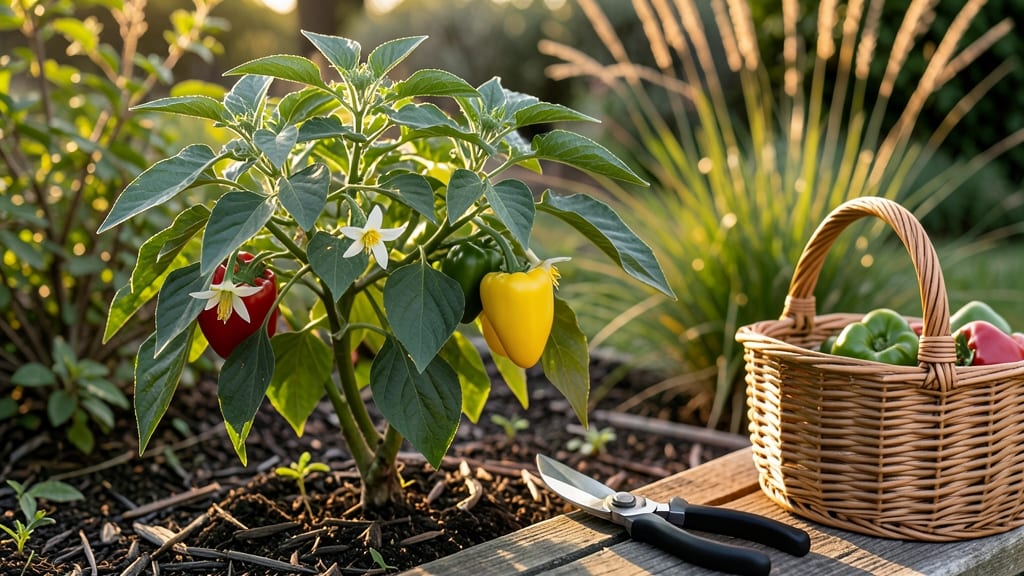
To harvest peppers at their peak flavor and spiciness, timing and technique matter more than you might think—especially when you’re staring at a bush full of 🌶️ that could be perfect or past its prime.
One wrong move and you’ll end up with bitter, shriveled peppers or a plant that stops producing. I’ve made those mistakes, and the good news is, they’re easy to avoid once you know the three key signs of readiness—and how to pluck them without damaging the plant.
Whether you’re growing sweet bell peppers or fiery habaneros, this guide covers everything from the ideal harvest window (July to October in most zones) to the tools that make the job effortless. No more guesswork, just bold flavor and a thriving plant.
Ready to turn your pepper harvest into a reliable bounty? Let’s break down when to pick, how to do it right, and what to do with your haul once it’s in hand.

When to harvest peppers for best flavor and yield
Harvesting peppers at the right time ensures peak flavor and maximum yield. Unlike many vegetables, peppers continue to ripen off the vine, but their flavor and spice levels change dramatically with maturity.
For example, a green bell pepper harvested early will be milder, while waiting for it to turn red intensifies its sweetness. Understanding these nuances helps you decide whether to pick for immediate use or let them ripen further.
Timing also affects your plant’s productivity. If you leave peppers too long, the plant may stop producing new fruit as its energy focuses on ripening existing ones. Conversely, harvesting too early can lead to bitter or underdeveloped peppers.
The key is balancing flavor, spice, and plant health—and it all starts with recognizing the right visual and physical cues.
Color is your first clue, but it varies by variety. Bell peppers start green and ripen to red, yellow, or purple, while jalapeños and habaneros mature from green to red or deep orange. However, color alone isn’t enough—you’ll also need to check size, firmness, and stem condition to ensure you’re harvesting at the perfect moment.
| Pepper Type | Harvest Timeframe | Key Indicators | Flavor/Spice Notes |
|---|---|---|---|
| Bell Peppers | 60–90 days (green); up to 120 days (colored) | 3–6" long, glossy skin, firm to touch, stem snaps easily | Green: mild; red/yellow: sweeter, richer |
| Jalapeños | 60–75 days (green); up to 90 days (red) | 2–3" long, deep green (or red), firm, slight give when pressed | Green: grassy, mild heat; red: fruity, spicier |
| Habaneros | 90–120 days (green); up to 150 days (orange/red) | 1–2" long, deep orange/red, waxy texture, stem detaches cleanly | Green: sharp, citrusy heat; ripe: floral, intense spice |
| All Peppers | Year-round (in warm climates) | No green stem (for colored varieties), deep consistent color, firm skin | Overripe: bitter, mealy texture; underripe: bland, seedy |
For bell peppers, size matters most when harvesting green. Aim for 3–6 inches long and a glossy, firm texture.
If you’re waiting for them to turn red, watch for the stem to darken and the pepper to soften slightly—this signals peak sweetness. Jalapeños, on the other hand, can be harvested green for a milder kick or left on the plant to ripen to red for a fruity, spicier profile.
Habaneros and other hot peppers like cayennes reach their most intense heat when fully ripe, often turning bright orange, red, or yellow. However, their flavor complexity—notes of citrus, tropical fruit, or even floral hints—also peaks at full maturity. If you’re growing these for heat and depth, patience pays off, but don’t wait too long or the peppers may become mealy or bitter.
Physical cues are just as important as visual ones. Gently press a pepper with your thumbnail—it should feel firm but slightly yielding, not rock-hard or mushy. If the stem snaps easily when you twist it slightly, it’s ready.
A green stem on a pepper that’s supposed to ripen to another color (like red) means it’s not mature yet. Ignoring these signs can lead to underripe or overripe peppers, both of which compromise flavor.
Maturity also impacts spice levels in hot peppers. For example, a green jalapeño might clock in at 2,500–5,000 Scoville units, while a ripe red one can hit 8,000–10,000 units. Similarly, habaneros start around 100,000–350,000 units green but can exceed 350,000 units when fully ripe.
If you’re sensitive to heat, harvesting early can help, but you’ll miss out on the complex, fruity flavors that develop with time.
One common mistake is assuming all peppers should be harvested at the same stage. Sweet peppers like bells are often picked green for fresh eating, while hot peppers are usually left to ripen fully for maximum heat and flavor.
Even within a single plant, you might have peppers at different stages of maturity—prioritize harvesting the most mature ones first to encourage the plant to produce more.
Finally, consider your climate and growing season. In cooler regions, peppers may not have time to fully ripen on the plant. If frost threatens, harvest green peppers and ripen them indoors in a paper bag with a banana (the ethylene gas speeds up ripening).
This trick works for most pepper varieties and ensures you don’t lose your harvest to early cold snaps.
Mastering the art of pepper harvesting is all about observation and timing. Pay attention to color, size, firmness, and stem condition, and don’t be afraid to experiment with different ripeness levels to discover your favorite flavors. Whether you prefer mild green bells or fiery red habaneros, knowing
Step-by-step guide to harvesting peppers safely
Harvesting peppers the right way keeps your plants healthy and your peppers tasting their best. Using the wrong technique can damage stems, reduce future yields, and even make your peppers bitter.
The key is to harvest at the right time with the right tools—here’s how I do it every season for maximum flavor and plant productivity.
First, gather your tools: a pair of clean, sharp pruning shears or a small knife, a bucket or basket lined with paper towels, and a sharpie marker (for labeling varieties).
Avoid pulling peppers by hand—this can tear stems and invite disease. I also keep a spray bottle of water nearby to mist peppers after harvesting, which helps preserve their freshness.
- Step 1: Check maturity—look for deep color, firm skin, and a slight give when pressed. For bell peppers, this means bright green, red, or yellow with no soft spots.
- Step 2: Hold the pepper gently at the base and cut the stem with shears at a 45-degree angle. This prevents water from pooling on the stem and reduces rot risk.
- Step 3: Place peppers in your lined basket, stem-side down, to avoid bruising. Handle them carefully—peppers bruise easily and spoil faster.
- Step 4: Label varieties immediately if growing multiple types. Use a waterproof marker on the stem or a small tag tied to the basket.
- Step 5: Rehydrate plants by watering the base thoroughly after harvesting. This encourages new fruit growth and prevents stress.
- Step 6: Store peppers in a cool, shady spot for 1-2 days to mature further if needed. For long-term storage, keep them in the fridge for up to 2 weeks.
For jalapeños and hot peppers, harvest when they reach the desired spice level—green for milder heat or red for maximum spiciness.
I always pick them before they fully ripen if I want to control heat, as overripe peppers can become too hot or even turn bitter. Bell peppers, on the other hand, should be left on the plant until fully colored for the sweetest flavor.
One pro tip I’ve learned is to harvest early in the morning when peppers are cool and crisp. This reduces bruising and makes the peppers last longer. Avoid harvesting after heavy rain or when the plants are wet, as this can spread fungal diseases like powdery mildew or anthracnose.
After harvesting, I always inspect my plants for any signs of stress or disease. Removing damaged or diseased peppers immediately helps keep the rest of the plant healthy.
With the right technique, you’ll encourage your pepper plants to produce even more fruit for weeks to come—just like my habanero bushes that keep giving until frost!
Remember, the more gently you handle your peppers, the better they’ll taste and the longer your plants will keep producing. Happy harvesting!