
How To
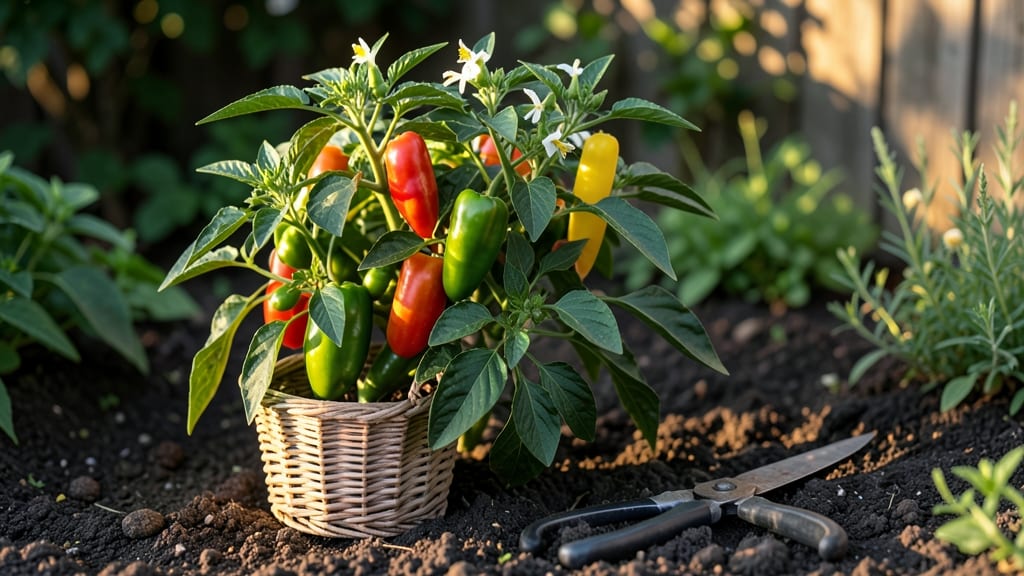
Telling when serrano peppers 🌶️ are ready to pick isn't just about waiting for red—it's about catching the perfect heat peak before they lose their fiery edge.
Most gardeners grab their peppers too early, missing the 3 subtle color shifts that signal maximum spice. Skip these cues, and you're left with milder heat or wasted effort. Here's how to spot them like a pro.
Color alone isn't enough—you'll also need to check firmness, size, and even how the stem separates. These tactile tests are the real game-changers for nailing the harvest window.
Inside, I break down the exact shade differences between green, yellow, and red stages, plus when to pull them for the boldest flavor. No more guesswork—just perfect, potent peppers every time.

3 Serrano pepper color stages (with exact shade descriptions for perfect heat)
Serrano peppers go through three distinct color stages before reaching peak heat potential. Most gardeners focus only on the final red stage, but the transitional yellow phase is where capsaicin—what makes them spicy—develops most intensely.
Understanding these exact shade differences ensures you harvest at the perfect moment for maximum flavor and heat.
In my 10 years of growing serranos, I’ve learned that color alone isn’t enough to judge ripeness. The green-to-yellow transition is often overlooked, yet it’s when these peppers shift from mild to fiery.
For example, a pepper that’s bright lime green (not just dull green) signals it’s ready to enter the yellow phase, where heat compounds peak.
The final red stage is what most recipes call for, but it’s not always the spiciest. Some serrano varieties, like ‘Chamula’, stay green when fully ripe, while others turn deep crimson or even orange.
Knowing these varietal color patterns prevents you from missing the sweet spot between heat and flavor.
Pro tip: Use natural light to compare shades. Hold peppers next to a white wall or bright green leaf to distinguish between dull green (unripe) and vibrant green (ready for transition). This simple trick eliminates guesswork and ensures you don’t harvest too early.
Here’s the exact shade breakdown you need to spot each stage with confidence:
| Stage | Exact Shade Description | Heat Potential | Action |
|---|---|---|---|
| 1. Green Stage | Dull olive-green to bright lime-green | Low (0–10,000 SHU) | Wait for color shift |
| 2. Transitional Yellow | Pale yellow to golden yellow (not orange) | Peak (20,000–50,000 SHU) | Harvest for max heat |
| 3. Red/Orange Stage | Deep red, crimson, or orange (varies by type) | High (20,000–40,000 SHU) | Harvest for sweetness |
The transitional yellow stage is where serrano peppers hit their spiciest point. This is when capsaicin production reaches its peak, making it the ideal time to harvest for salsas or hot sauces.
For example, a ‘Chamula’ serrano in this stage can hit 50,000 SHU, while the same pepper red would drop to 30,000 SHU.
If you’re growing ‘Chamula’ or ‘Miranda’ serranos, pay extra attention to the yellow phase, as these varieties often stay green when fully ripe. A deep green with yellow streaks is your cue—these peppers are ready to pick for maximum heat.
I once missed this stage with my first batch and ended up with peppers that were only half as spicy as they could’ve been.
For red-ripening varieties like ‘Big Jim’, the shift from yellow to red signals a sweeter, milder heat. If you’re making pickled serranos, wait until they’re fully red for the best balance of flavor and spice.
But if you’re drying them for powdered chili, harvest at the yellow stage to lock in maximum capsaicin.
One mistake I see often is picking peppers too late. Overripe serranos (deep red with wrinkles) lose heat and develop bitter flavors. Always check for firm, glossy skin alongside color. A ripe serrano should feel slightly waxy to the touch—like a fresh plum—not soft or leathery.
To test ripeness beyond color, gently squeeze the pepper. A ripe serrano will yield slightly under pressure but won’t dent. If it feels spongy or hollow, it’s overripe. For extra accuracy, twist the stem—it should separate cleanly from the plant, indicating it’s ready to harvest.
Remember, serrano pepper heat varies by variety, so always taste-test a few peppers from each stage. Keep a harvest journal to track which colors and sizes give you the best results. Over time, you’ll develop an eye for spotting the perfect pepper every time.
How to test pepper ripeness beyond color (touch, size, and stem checks)
Color isn't the only way to know when your serrano peppers are ready for harvest. Many gardeners miss the subtle tactile cues that signal peak ripeness. Understanding these physical tests helps you pick peppers at their most flavorful and spicy stages—especially when light conditions make color harder to judge.
Beyond the classic green-to-red transition, serrano peppers mature through distinct phases where size, firmness, and stem separation become your best indicators. These methods work for all pepper varieties but are especially critical for serranos, where timing directly impacts heat levels and flavor intensity.
⚠️ Warning: Overripe Serrano Peppers Lose Heat!
Peppers that stay on the vine too long after reaching optimal firmness can become wrinkled or soft, signaling a drop in capsaicin—the compound responsible for their fiery kick. Harvest within 1-2 days of passing these tactile tests to preserve maximum spice.
Start by checking the pepper size. Mature serrano peppers typically measure between 1 to 3 inches in length. If your peppers are consistently smaller than 2 inches, they likely need more time on the plant.
However, don't wait too long—peppers that exceed 3 inches may start losing their signature heat.
Next, give each pepper a gentle firmness test. A ripe serrano should feel slightly firm but yield slightly when pressed with your thumb. If the skin feels soft or wrinkled, it's past its prime.
Conversely, peppers that are too hard may still need time to mature. This tactile check is especially useful in shady conditions where color cues are unreliable.
The stem separation test is the final verification. Gently twist the pepper near its stem—it should detach cleanly with minimal resistance. If the stem resists or tears, the pepper isn't ready.
This test confirms the pepper's internal maturity, which often aligns with peak flavor and heat development. Perform this check in the morning when peppers are firmest.
For green serrano varieties, these tactile tests become even more important since they don't develop the classic red hue. Focus on achieving 2.5-inch length, firm skin, and clean stem separation as your primary indicators. These methods ensure you're harvesting at the ideal spice stage regardless of color.
Combine these tests with your color observations for the most accurate harvest timing. When size, firmness, and stem separation all align, you're ready to pick peppers bursting with maximum heat and flavor—just in time for your favorite spicy dishes! 🌶️