
Picking
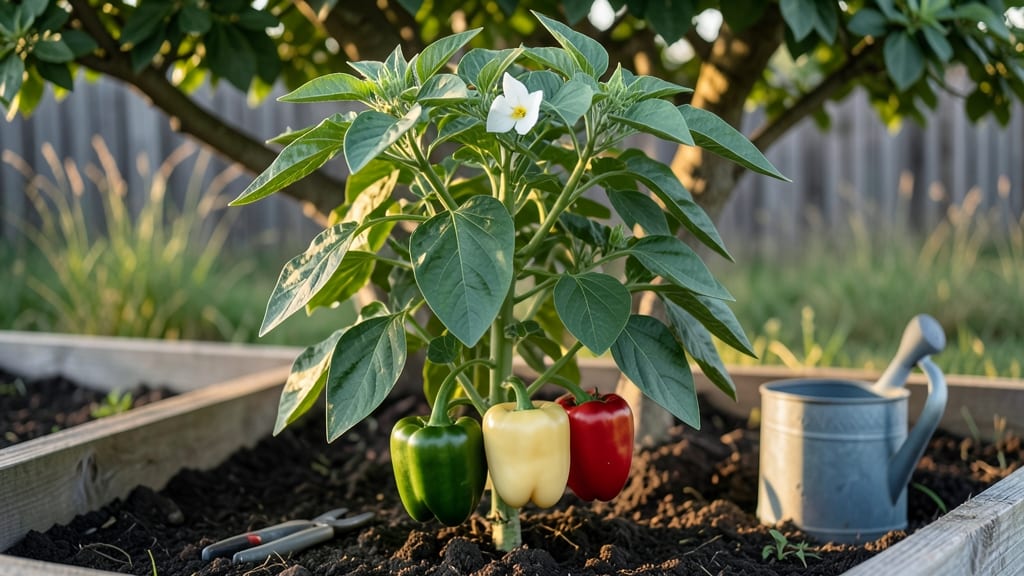
Growing Keystone bell peppers in small spaces changed everything for me—no more wasted garden real estate, just a vertical jungle of sweet, crisp peppers. These compact plants thrive in containers or trellises, producing 20-30 peppers per plant in just 70 days, perfect for balconies or tiny yards.
The key? Start seeds indoors 8-10 weeks before last frost, and you'll have a harvest that outshines store-bought every time.
You'll need well-draining soil (mix in compost for flavor and fertility), 6-8 hours of sunlight daily, and a sturdy trellis or cage to support their bushy growth. Water consistently—1-1.5 inches per week—but avoid soggy soil, which invites rot.
A balanced fertilizer every 3-4 weeks keeps them productive, and pruning suckers (those little side shoots) ensures energy goes to fruit, not foliage. Honestly, I've killed more peppers from overwatering than pests.
By midsummer, you'll watch those glossy green peppers swell into 3-4 inch beauties, turning red when fully ripe. The flavor? Sweet, crisp, and packed with vitamin C—nothing beats fresh-picked Keystones.
Harvest regularly to encourage more production, and save seeds from your best peppers for next year's crop. Even in Zone 5, with proper protection, these peppers deliver.
Here's the secret: Vertical space isn't a limitation—it's a superpower. Whether you're in a city apartment or a suburban plot, Keystones turn wasted corners into pepper powerhouses.
Start small, scale up, and soon you'll be gifting jars of pickled peppers to neighbors who can't believe your harvest. Now, grab those seeds—your first plant is waiting.
📚 In This Guide
- What you need
- Instructions
- Tips and common mistakes
- Wrapping up and next steps
What you need
- ● Keystone bell pepper seeds or seedlings: 3–5 plants (start indoors 8–10 weeks before last frost or buy healthy transplants).
- ● Containers or vertical garden setup: 5–10 gallon pots (1 per plant) or
- ● Vertical planters, trellis bags, or wall-mounted pockets (ensure drainage!).
- ● High-quality potting mix: 10–15 lbs (look for a blend with perlite or coconut coir for aeration).
- ● Slow-release fertilizer: 10–20–10 NPK ratio (follow package instructions for application).
- ● Support system: Bamboo stakes, tomato cages, or a sturdy trellis (3–4 ft tall for climbing).
- ● Drip irrigation or watering can: With a fine rose attachment to avoid disturbing roots.
- ● Mulch: 2–3 inches of straw or shredded leaves to retain moisture.
- ● Garden trowel or small shovel: For transplanting.
- ● Pruning shears: To trim excess foliage and encourage upward growth.
- ● pH test kit: Ideal soil pH for peppers: 6.0–6.8 (adjust with lime or sulfur if needed).
- ● Compost or worm castings: 1–2 cups per plant for extra nutrients.
- ● Row covers (frost protection):
- ○ Grow lights (optional):
Step-by-Step instructions for growing Keystone bell peppers vertically
Here’s how to maximize your small garden’s potential with this compact, high-yielding variety.
Select the Right Vertical Support Structure
Keystone bell peppers thrive when trained upward, saving space and improving air circulation. I recommend a 5-foot tall trellis or sturdy stake system for each plant—this variety grows 3-4 feet tall and produces heavy fruit that needs support. Use galvanized wire cages (4 feet tall) or bamboo stakes (at least 6 feet) driven 6 inches deep into the soil for stability.
For a 4-plant vertical garden, arrange supports in a square formation with 3 feet between each. This spacing prevents overcrowding while allowing easy access for pruning and harvesting. If using a cage system, place it over the plant at transplanting to avoid disturbing roots later. Real talk: I’ve seen peppers topple entire cages when overloaded—so bury those stakes deep!
Prepare Soil and Plant with Proper Spacing
Amend your soil with 2 inches of compost and a handful of balanced fertilizer (10-10-10) mixed into the top 6 inches. Keystone peppers prefer well-draining, slightly acidic soil (pH 6.0-6.8)—test your soil if possible. Dig a hole twice as wide as the root ball but no deeper, as peppers dislike having their crowns buried.
Place each transplant 12-18 inches apart in the prepared bed, ensuring the top of the root ball sits level with the soil surface. Water deeply immediately after planting to eliminate air pockets. Here’s the thing—if you’re using cages, weave the main stem through the center support right away. This encourages upward growth and prevents future wrestling with vines.
Train Vines and Prune for Maximum Yield
As the plant grows, guide the main stem along the trellis or stake, tying it loosely with soft plant ties every 12 inches. Prune side shoots (suckers) that form in the leaf axils—remove them when they’re 2-3 inches long to redirect energy to fruit production. I keep 2-3 main branches per plant, pruning aggressively after the first flower cluster appears to prevent overloading.
Watch for leggy growth—a sign of insufficient light. If stems stretch more than 6 inches between leaves, your plant needs more sunlight (6+ hours daily). Pinch back the tips of overly long stems to encourage bushier growth. This is the moment that matters: balance is key—too much pruning reduces yield, but too little leads to weak stems and disease.
Water and Fertilize for Consistent Production
Water at the base of the plant (never overhead) to prevent fungal diseases like blossom end rot. Aim for 1-1.5 inches of water per week, adjusting for rain. Let the top 2 inches of soil dry out between waterings—peppers hate soggy roots but need steady moisture for fruit set. Mulch with 2 inches of straw to retain moisture and suppress weeds.
Fertilize every 3-4 weeks with a low-nitrogen, high-phosphorus feed (5-10-10) once flowers appear. I switch to fish emulsion mid-season for a potassium boost, which sweetens the peppers. Don’t overdo it—too much nitrogen leads to leafy growth at the expense of fruit. Here’s where it gets fun: harvest regularly to encourage more production!
Harvest and Maintain Through the Season
Pick peppers when they’re firm and fully colored—usually 70-80 days after transplanting. Use pruning shears to cut stems ¼ inch above the fruit to avoid damaging the plant. Harvesting every 2-3 days keeps plants productive and prevents overripe peppers from sapping energy. Store in a cool, dark place for up to 2 weeks, or use immediately in recipes.
As the season progresses, remove any diseased or yellowing leaves to improve airflow. If your plants start dropping blossoms, they may need more calcium—sprinkle crushed eggshells around the base or use a calcium nitrate spray. Don’t panic if a few peppers turn blossom-end rot—it’s common, and removing affected fruit prevents spread. With proper care, each plant yields 8-12 peppers, making vertical growing a game-changer for small spaces.
Tips & tricks for growing Keystone bell peppers vertically
Transforming your small garden into a pepper powerhouse starts with these game-changing techniques that keep your plants healthy, productive, and space-efficient.
Support System Stability: When installing your 5-foot trellis or 6-foot bamboo stakes, drive them at least 6 inches deep into the soil to prevent toppling under heavy fruit loads. I've seen peppers weighing down cages cause them to collapse mid-season—burying supports properly eliminates this risk entirely. For added security, use a mallet to tap stakes firmly into place, especially in loose or sandy soil.
Pruning Precision: In Step 3, when removing side shoots that are 2-3 inches long, use clean pruning shears to avoid tearing the stem. This technique redirects the plant's energy toward fruit production rather than excessive foliage. I always prune aggressively after the first flower cluster appears—this prevents overloading and ensures each pepper gets the nutrients it needs to reach full size.
Soil pH Monitoring: While Keystone peppers prefer slightly acidic soil (pH 6.0-6.8), I recommend testing your soil before planting. If your pH is off, you can adjust it with sulfur to lower pH or lime to raise it. Proper pH levels prevent nutrient deficiencies that might cause yellowing leaves or poor fruit development. A simple soil test kit costs just a few dollars and saves you from guessing.
Harvesting Strategy: The 70-80 day harvest window is your golden opportunity to maximize yield. When harvesting every 2-3 days, use pruning shears to cut stems ¼ inch above the fruit—this prevents damage to the plant and encourages continuous production. Store harvested peppers in a cool, dark place for up to 2 weeks, or use them immediately in recipes to preserve their vibrant flavor and crisp texture.
Pro Tips for Keystone Bell Pepper
- Transforming your small garden into a pepper powerhouse starts with these game-changing techniques that keep your plants healthy, productive, and space-efficient.
- Support System Stability: When installing your 5-foot trellis or 6-foot bamboo stakes, drive them at least 6 inches deep into the soil to prevent toppling under heavy fruit loads.
- Pruning Precision: In Step 3, when removing side shoots that are 2-3 inches long, use clean pruning shears to avoid tearing the stem.
Frequently asked questions
How long does it take for keystone bell peppers to mature and produce fruit?
Keystone bell peppers typically take 60–90 days from transplanting to harvest, depending on your climate. Start seeds indoors 8–10 weeks before the last frost for a head start. In warm regions, you might see peppers as early as 70 days—just be patient!
Can I grow keystone bell peppers in containers? What size pot do I need?
These peppers thrive in containers as long as the pot is at least 12–18 inches deep and 12 inches wide. Use well-draining soil with compost, and place the pot in full sun (6+ hours daily). For vertical growing, a 5-gallon bucket with trellis support works perfectly.
Why are my keystone bell peppers turning yellow or dropping off the plant?
Yellowing or dropped peppers often signal underwatering, overwatering, or nutrient deficiencies. Check soil moisture—it should stay consistently damp but not soggy. Lack of calcium (blossom end rot) or nitrogen can also cause issues. Feed with a balanced fertilizer (like 10-10-10) every 3–4 weeks and mulch to retain moisture.
Are keystone bell peppers the same as regular bell peppers? How do they differ?
Keystone bell peppers are a bushier, more compact variety of bell peppers, perfect for small gardens or containers. They produce smaller fruits (3–4 inches long) but pack the same sweet, crunchy flavor as larger bell peppers. Unlike standard varieties, they’re less prone to sprawling, making them ideal for vertical or trellised growing.
What can I plant near keystone bell peppers to improve growth?
Companion planting boosts pepper health! Try pairing them with basil, onions, or marigolds to deter pests and improve flavor. Avoid planting near fennel or brassicas (like cabbage), as they can stunt growth. For vertical gardens, interplant with cherry tomatoes or strawberries to maximize space efficiently.
Wrapping up and next steps
Growing Keystone bell peppers in small spaces isn’t just possible—it’s a game-changer! 🌱 With their compact vines and vertical potential, these peppers prove that big harvests don’t require big yards.
Whether you’re a beginner or a seasoned gardener, this guide gives you the tools to maximize your space, boost yields, and enjoy fresh, flavorful peppers all season long.
Ready to turn your tiny garden into a pepper powerhouse? Start by picking your spot, gathering supplies, and planting with confidence! Grab your gloves, and let’s get growing—your future meals will thank you. 🍅✨