
Picking
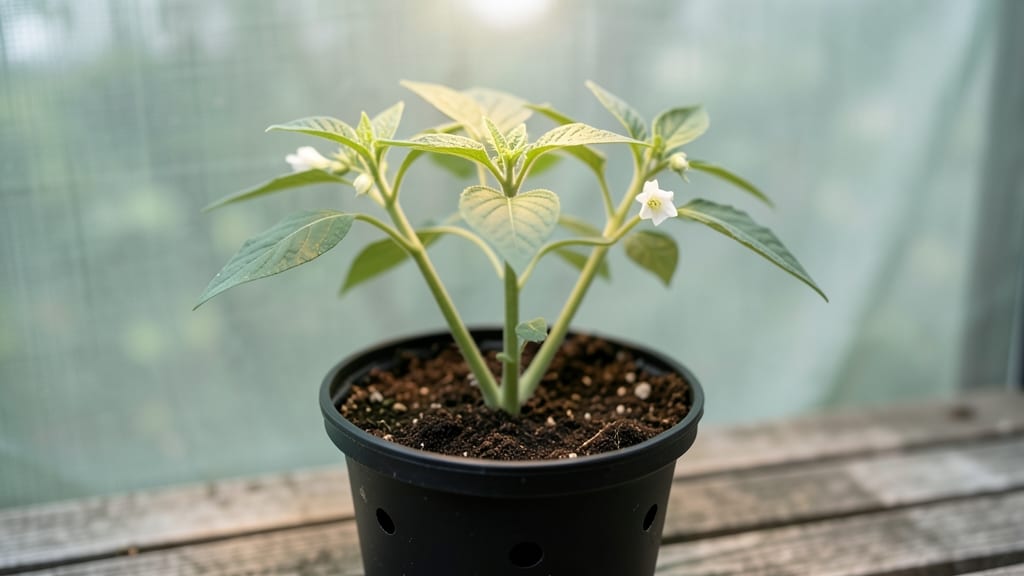
Leggy pepper seedlings stretch toward the light like teenagers reaching for the cookie jar—but those weak stems won’t support heavy fruit. 🌱 I’ve nursed more than my share of floppy seedlings back to strength, and these three fixes work every time without fancy equipment.
The root cause is almost always too little light or inconsistent watering. Seedlings grow tall and spindly when they’re desperate for sunlight, and overwatering weakens their roots. The good news? You can reverse it in 3-5 days with just a few adjustments—no transplant shock required.
Start by moving seedlings to the brightest window (south-facing is ideal) or under a grow light for 14-16 hours daily. If they’re already crowded, thin them so each has 2-3 inches of space to avoid competition.
Water only when the top inch of soil feels dry, and use a shallow tray to catch excess moisture. Once they’ve thickened up, harden them off for a week before planting. Your peppers will mature weeks earlier with sturdy stems that actually hold fruit—no more snapped plants at harvest time.
Root Causes Of Weak Seedling Growth
Understanding why your pepper seedlings stretch tall and spindly—rather than growing strong and sturdy—starts with identifying the underlying triggers. These lanky stems aren’t just a cosmetic issue; they signal that your seedlings are struggling to balance energy between growth and stability.
Below, we break down the three primary culprits behind leggy pepper seedlings, complete with the science and actionable insights to address them.
---
Pepper seedlings crave light, and when they don’t get enough, they stretch toward any available source in a desperate bid for photosynthesis.
This phenomenon, called etiolation, occurs because: - Reduced chlorophyll production: Without adequate light, seedlings prioritize stem elongation over leaf development, leading to weak, elongated stems. - Hormonal shift: Low light triggers an increase in auxin (a plant growth hormone) in the stem, promoting rapid but unstable vertical growth. - Energy imbalance: Seedlings divert resources from root and leaf growth to stretch toward light, leaving them vulnerable to collapse or poor yields later.
🔍 What’s the threshold? Pepper seedlings need 12–16 hours of light per day (natural or artificial). If your seedlings are leaning or have pale, sparse leaves, they’re begging for more brightness.
---
When seedlings are packed too closely in their growing space, they compete aggressively for nutrients, water, and—you guessed it—light.
This competition forces them to grow upward faster than they can strengthen, resulting in: - Limited nutrient access: Roots become tangled, starving seedlings of the nitrogen and phosphorus needed for sturdy stems. - Reduced air circulation: Crowded seedlings are more prone to damping-off (a fungal disease that rots stems at the base), which weakens structural integrity. - Shade self-imposed: Neighboring seedlings cast shadows, creating micro-environments where light is unevenly distributed, triggering leggy growth in the shaded ones.
📏 The fix? Space seedlings 12–24 inches apart in trays or 2–3 inches apart in larger pots. If repotting isn’t an option, thin them out to leave only the healthiest, most robust seedlings.
---
Pepper seedlings are sensitive to heat, and inconsistent temperatures—especially cool nights or warm days—can disrupt their growth patterns.
Here’s how it happens: - Slow metabolism: Temperatures below 60°F (15°C) stunt photosynthesis and root growth, forcing seedlings to focus on stem elongation to "escape" the cold. - Uneven growth: Warm soil (above 80°F/27°C) can cause roots to grow faster than shoots, while cool air stunts shoot development, creating a mismatch that leads to legginess. - Hormonal stress: Extreme temperature swings trigger ethylene gas production, a hormone that accelerates aging and weakens cell walls in stems.
🌡️ Ideal range? Keep seedlings in 70–80°F (21–27°C) during the day and 60–65°F (15–18°C) at night. Use a heat mat for cooler climates or move pots away from drafty windows/AC vents.
--- 💡 Pro Tip: Leggy seedlings often stem from multiple factors working together (e.g., low light + cool temps). Address the most severe issue first—usually light—then adjust other conditions. A grow light placed 2–3 inches above seedlings can work wonders in just 3–5 days!
Fixing Tall, Weak Seedlings Fast
Now that you know why your pepper seedlings stretch like overgrown noodles 🍜, let’s roll up our sleeves and get them back on track. The good news? Most fixes are simple, fast, and require minimal tools—just a little tweak to their environment or care routine.
Below, we’ll tackle the most common causes with practical, step-by-step solutions and prevention tips to keep your seedlings strong from day one.
---
Problem: Seedlings reach for sunlight like toddlers for cookies—when they don’t get enough, they grow tall and wobbly.
How to Fix It: ✅ Move them closer to the light source 🔥 - If using a grow light, adjust it to 2–4 inches above seedlings (closer than you think!). They should be just touching the leaves to the light. - For sunny windowsills, rotate trays daily so all sides get equal light. South-facing windows are best, but if yours isn’t ideal, supplement with a LED grow bulb (12–16 hours/day).
✅ Extend daylight hours 🕒 - Seedlings thrive on 14–16 hours of light/day. Use a timer for grow lights to mimic long summer days.
✅ Thin out crowded seedlings 🌿 - Overcrowding blocks light. Snip or transplant seedlings so they’re 2–3 inches apart (use scissors for clean cuts).
Prevent It Next Time: 💡 Start with the right setup: Use a seedling heat mat + grow light combo from day one. Avoid placing trays on cold floors or drafty spots.
---
Problem: Hot roots or sudden temperature drops stress seedlings, causing them to stretch or wilt.
How to Fix It: ✅ Regulate bottom heat 🔥 - If using a heat mat, keep temps between 70–80°F (21–27°C). No higher—roots can fry! - Pro tip: Place a thermometer under the tray to monitor.
✅ Avoid cold drafts ❄️ - Keep seedlings away from AC vents, doors, or windows at night (temps can drop fast). - Use a clear plastic dome (like a cut-off milk jug) to trap warmth if your setup is chilly.
✅ Hardening off gradually 🌬️ - Before transplanting, acclimate seedlings to outdoor temps over 7–10 days. Start with 1 hour outside, then increase time daily.
Prevent It Next Time: 🌡️ Consistency is key: Maintain daytime temps (70–85°F / 21–29°C) and nighttime temps (60–68°F / 15–20°C). A small greenhouse or propagator helps stabilize temps.
---
Problem: Soggy soil = weak stems. Seedlings drink too much, grow fast but flimsy, and may even rot at the base 💀.
How to Fix It: ✅ Let the top inch of soil dry out 🏜️ - Stick your finger in the soil—if it’s damp 1 inch down, wait 1–2 days before watering again. - Bottom-watering trick: Place trays in a shallow dish of water for 10–15 minutes, then drain excess. This encourages roots to grow downward.
✅ Use the right soil mix 🌿 - Seedlings need light, airy soil to prevent compaction. Mix: - 50% seedling potting mix - 30% perlite or vermiculite (for drainage) - 20% coco coir or compost (for nutrients)
✅ Check your containers 🏺 - No drainage holes? Poke them with a nail or switch to pots with holes. - Overcrowded? Transplant into smaller individual pots (2–3 inches wide) to reduce waterlogging.
Prevent It Next Time: 💡 Water wisely: Use a spray bottle for gentle misting, or a watering can with a fine rose. Avoid soaking the soil—less is more for seedlings!
---
Problem: Too-strong starter fertilizer (especially high in nitrogen) can burn roots, causing leggy, weak growth.
How to Fix It: ✅ Flush the soil 🚿 - Water seedlings thoroughly with plain water (no fertilizer) for 2–3 days to leach out excess salts.
✅ Switch to a diluted, balanced fertilizer 🌱 - Use a half-strength liquid fertilizer (like fish emulsion or seaweed extract) every 2 weeks. - Avoid synthetic fertilizers until seedlings have 2–3 true leaves.
Prevent It Next Time: 📊 Feed lightly: Stick to organic, low-concentration fertilizers (e.g., 1-1-1 or 2-2-2 NPK ratio) until transplanting.
--- | Issue | Fix It Now | Prevent Next Time | |-------------------------|----------------------------------------|----------------------------------------| | Not enough light | Move closer to light, add grow bulb | Use a light source from day one | | Temperature swings | Adjust heat mat, avoid drafts | Use a propagator for stability | | Overwatering | Let soil dry, bottom-water | Use well-draining soil mix | | Fertilizer burn | Flush soil, dilute fertilizer | Start with organic, low-N feed |
--- Final Pro Tip: 🌟 If your seedlings are already too tall, bury them deeper when transplanting—the lower stem will grow roots, creating a stockier plant! Just leave the top leaves above soil. 🌱✨
Now go give those peppers a second chance—they’ll be short, sturdy, and ready for the garden in no time!
Frequently asked questions about leggy pepper seedlings
Why do my pepper seedlings grow so tall and weak?
Leggy pepper seedlings stretch because they're desperate for light. When seedlings don't get enough sunlight (or artificial light), they produce less chlorophyll and prioritize stem growth to reach light sources. This creates weak, elongated stems that can't support heavy fruit later.
Can I fix leggy seedlings, or should I just start over?
You can absolutely fix them! Move seedlings to a brighter spot (south-facing window or under grow lights), thin crowded plants, and adjust watering. With proper care, they'll thicken up in 3-5 days. No need to start over—just give them what they need to recover.
How close should grow lights be to my seedlings?
Position grow lights 2-4 inches above seedlings—close enough that leaves almost touch the light. Too far away makes them stretch, while too close can burn leaves. Adjust the height as seedlings grow taller to maintain this distance.
Will burying leggy seedlings deeper help them grow stockier?
Yes! When transplanting, bury the stem deeper (up to the first set of true leaves) so the buried portion develops new roots. This creates a stronger base while the top continues growing. Just leave the top leaves above soil to prevent rot.
What's the best soil mix to prevent leggy growth?
Use a light, airy mix with 50% seedling potting soil, 30% perlite/vermiculite (for drainage), and 20% coco coir or compost. This prevents compaction and encourages strong root development. Avoid heavy garden soil that can suffocate young roots.