
Propagation
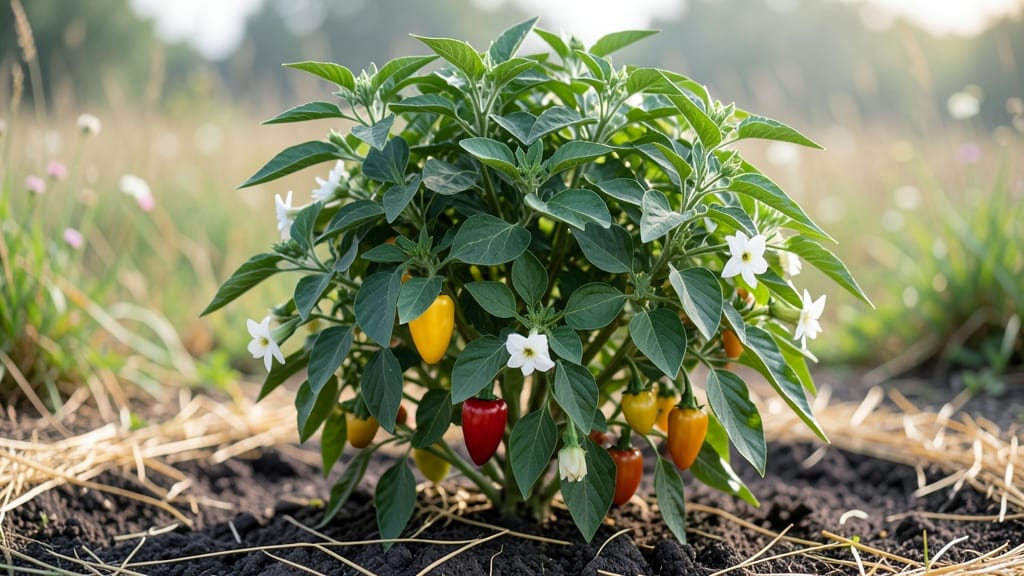
Growing Leysa pepper seeds delivers fast germination and a flavor punch that rivals restaurant-quality dishes. 🌱 I've grown these fiery beauties for three seasons now, and their compact size makes them perfect for containers or small gardens—no sprawling vines here.
The secret to success starts with seed quality: source from reputable suppliers like Johnny's Selected Seeds or Baker Creek. These seeds sprout within 7-10 days (versus the 2-3 weeks of many peppers) and thrive in warm soil, so wait until nighttime temps stay above 60°F.
A 5-gallon container gives them enough room to produce 10-15 peppers per plant without crowding. Once established, Leysas reward you with bold, slightly sweet heat—ideal for fresh eating, salsas, or drying. They handle humidity better than most peppers, but watch for aphids on young plants.
A light neem oil spray keeps pests at bay without harsh chemicals. For best results, plant in full sun and fertilize lightly every 2-3 weeks. These peppers surprise even skeptics—my neighbor's first harvest had him asking for seeds by the end of summer. Let's get those seeds sprouting!
📚 In This Guide
- What you need
- Instructions
- Tips and common mistakes
- Wrapping up and next steps
What you need
- ● Leysa pepper seeds: 5–10 seeds (start small if testing germination rates!)
- ● Seed-starting mix: 1–2 cups of sterile, well-draining potting soil (avoid garden soil—it’s too dense!)
- ● Containers: 1–2 small seed trays (with drainage holes) or
- ● 1–2 biodegradable pots (3–4 inches deep)
- ● Grow lights or sunny windowsill: 6–8 hours of warmth (70–85°F) and light daily
- ● Spray bottle: For gentle watering (avoid soaking the soil!)
- ○ Plastic wrap or humidity dome: To retain moisture during germination (optional but helpful!)
- ● Heating mat ($10–$20): Speeds up germination (Leysa seeds love warmth!)
- ● Fertilizer (balanced 10-10-10 or seaweed extract): Once seedlings sprout, dilute to half-strength
- ● Support stakes or cages: For when plants reach 12–18 inches tall
- ● pH test kit: Ideal soil pH for peppers is 6.0–6.8
Step-by-step guide to growing Leysa peppers from seed
Fast germination and bold flavor start with these precise steps—no guesswork, just reliable results.
🌱 Step 1: Prepare the Seeds for Fast Germination
Leysa pepper seeds germinate quickly, but a 12-hour soak in lukewarm water kickstarts the process. Place them in a bowl of water and let them sit overnight. The reason we soak first is that these seeds have a tough outer coating that slows germination—this softens it considerably. I know it seems weird, but trust me, you'll see sprouts in 5-7 days instead of waiting two weeks.
After soaking, drain the seeds and let them sit in a paper towel for another 12 hours to prevent rot. You'll notice the seeds plump up slightly—this is your signal they're ready for planting. If any seeds float, discard them; they won't germinate. Real talk: Don't skip this step. I learned the hard way that dry-planted Leysa seeds take twice as long to sprout.
🪴 Step 2: Plant in Warm, Well-Draining Soil
Fill small pots or seed trays with a sterile seed-starting mix (never garden soil—it's too dense and may harbor disease). Leysa peppers thrive in warm soil, so place the pots in a location where the temperature stays between 75-85°F during germination. A seedling heat mat works wonders here, especially if your home runs cooler.
Plant the seeds ½ inch deep, spacing them 1 inch apart in the pot. I like to use biodegradable pots for Leysa peppers because they reduce transplant shock later. Water gently until the soil is moist but not soggy—you want the surface to look slightly damp, not glistening. Overwatering now can lead to damping-off, which will kill your seedlings before they even get a chance to grow.
☀️ Step 3: Provide Consistent Moisture and Light
Cover the pots with a clear plastic dome or plastic wrap to retain warmth and humidity. Check daily but avoid lifting the cover unless necessary—you'll see condensation form on the inside, which is a good sign. Once the first sprouts appear (usually in 5-7 days), remove the cover immediately to prevent fungal growth. This is the moment that matters: too much humidity now can smother your seedlings.
Move the seedlings to a sunny window or under a grow light providing 12-14 hours of light daily. Leysa peppers grow fast, so leggy seedlings mean your light source is too far away. Keep the grow light 2-3 inches above the plants and adjust as they grow. You'll see strong, compact growth when the stems are thick and leaves are dark green.
✂️ Step 4: Thin and Transplant for Optimal Growth
Once seedlings have 2-3 true leaves (not the initial cotyledons), thin them to the strongest plant per pot. Gently snip the weaker seedlings at the soil line with scissors—pulling can disturb the roots of the remaining plants. This ensures the Leysa peppers have enough space to grow without competing for nutrients.
After the last frost, transplant the seedlings outdoors to a location with full sun (at least 6-8 hours daily). Leysa peppers love warmth and thrive in temperatures above 65°F. Space them 18-24 inches apart in well-draining soil. Here's the thing—Leysa peppers are compact, so don't give them too much room. Overcrowding leads to smaller peppers and poor air circulation, which invites disease.
💧 Step 5: Maintain Consistent Care for Bold Flavor
Water the plants at the base 1-2 inches deep when the top inch of soil feels dry. Leysa peppers are drought-tolerant once established, but consistent moisture during fruiting ensures sweet, bold flavor. I always water in the morning so the foliage has time to dry before evening—this prevents fungal issues like powdery mildew.
Fertilize every 4-6 weeks with a balanced, organic fertilizer (like 10-10-10) to encourage strong growth and fruit production. You'll notice the plants respond quickly with darker green leaves and more vigorous growth. Prune any yellow or diseased leaves immediately to keep the plant healthy. By mid-summer, you'll be harvesting peppers that pack serious heat and flavor—exactly what Leysa peppers are known for.
Tips & tricks for growing bold Leysa peppers
Here's what nobody tells you about growing these fiery little powerhouses—details that separate good harvests from spectacular ones.
Seed Prep Precision: When soaking your Leysa pepper seeds for that critical 12-hour period, use a bowl of lukewarm water (around 85°F) rather than cold or hot. Cold water won't soften the seed coats effectively, while hot water can damage the delicate embryos inside. I like to place the bowl on a seedling heat mat set to 75°F for consistent warmth. After soaking, the seeds should feel noticeably heavier—this confirms they're ready for planting. If any seeds remain buoyant after 12 hours, they're likely non-viable and should be discarded immediately.
Germination Environment: The 75-85°F temperature range during germination is non-negotiable for Leysa peppers. If your home runs cooler, invest in a small seedling heat mat—it's the difference between 5-7 day sprouts and waiting two weeks. I've seen beginners place their pots on top of refrigerators thinking it's warm, only to have germination fail completely. Pro tip: Place a thermometer near your seed trays to monitor temperature consistently. Once sprouts appear, maintain the 12-14 hours of light immediately to prevent leggy seedlings from developing.
Transplant Timing: When thinning your seedlings to the strongest plant per pot (Step 4), wait until you see 2-3 true leaves—not the initial seed leaves. The true leaves look different: they're darker green, more defined, and appear after the initial cotyledons. Use clean, sharp scissors to snip at soil level rather than pulling, which can tear delicate roots. After transplanting outdoors, give your Leysa peppers a week to acclimate before exposing them to full sun. This gradual transition prevents transplant shock, where plants suddenly wilt despite having healthy roots.
Fertilizer Strategy: The 4-6 week fertilization schedule is perfect for Leysa peppers, but timing matters. Apply your first fertilizer dose 2 weeks after transplanting to give the plants time to establish their root systems. I recommend a fish emulsion (like 5-1-1) for the first application—it's gentle but packed with nutrients. After that, switch to a balanced organic fertilizer like 10-10-10. Watch for nitrogen overload signs: dark green leaves with yellowing edges mean you're overdoing it. Leysa peppers are sensitive to excess nitrogen, which can reduce fruit production.
Pro Tips for Leysa Pepper Seeds
- Here's what nobody tells you about growing these fiery little powerhouses—details that separate good harvests from spectacular ones.
- Seed Prep Precision: When soaking your Leysa pepper seeds for that critical 12-hour period, use a bowl of lukewarm water (around 85°F) rather than cold or hot.
- Germination Environment: The 75-85°F temperature range during germination is non-negotiable for Leysa peppers.
Frequently asked questions
Got questions about growing Leysa pepper seeds? You’re not alone! Here are answers to the most common queries to help you cultivate these fiery beauties with confidence.
How long does it take for Leysa pepper seeds to germinate?
Leysa pepper seeds typically sprout within 7–14 days when kept in warm (75–85°F), moist conditions. For faster results, soak seeds overnight in warm water before planting. Patience is key—some seeds may take up to 3 weeks if the environment isn’t ideal.
Do Leysa peppers need full sun, and what if my garden gets partial shade?
Leysa peppers thrive in 6–8 hours of direct sunlight daily. In partial shade (e.g., 4–6 hours), they’ll grow slower and produce fewer peppers. If shade is unavoidable, place them in the sunniest spot possible and supplement with a grow light if indoors. Yellowing leaves signal a need for more light!
Can I grow Leysa peppers in containers, and what size pot do I need?
Leysa peppers are compact and perfect for containers. Use a pot at least 12–15 inches deep with drainage holes. Ensure the container is wide enough (12+ inches in diameter) to support multiple plants. Pro tip: Add a balanced fertilizer every 2–3 weeks to boost growth in limited space.
How spicy are Leysa peppers, and can I reduce the heat if I want milder peppers?
Leysa peppers rank around 30,000–50,000 Scoville units (hotter than jalapeños but milder than habaneros). To mellow them, harvest peppers smaller and greener—they’re less spicy when immature. For cooking, remove seeds and membranes (where capsaicin concentrates) before use.
Why are my Leysa pepper plants dropping flowers or fruit?
Common causes include temperature swings (below 55°F or above 90°F), underwatering, or nutrient deficiencies. Ensure consistent moisture, fertilize regularly, and protect plants from extreme heat. If pollen isn’t transferring, gently shake plants or hand-pollinate with a brush.
Are there any alternatives to Leysa peppers for hot-but-compact gardens?
If Leysa peppers don’t suit your space, try these heat-loving compact varieties:
- Apache (50,000–100,000 SHU, bushy habit)
- Shishito (mild, 1,000–2,000 SHU, prolific)
- Thai Hot (50,000–100,000 SHU, fast-growing)
- Shishito x Habanero hybrids (custom heat levels)
Wrapping up and next steps
Growing Leysa pepper seeds is a rewarding journey—packed with bold flavors, compact growth, and fast germination that’ll have you harvesting in no time! Whether you’re a seasoned gardener or just starting, these peppers bring excitement to your kitchen and garden with minimal space and effort. 🌱✨
Ready to dive in? Start by gathering your supplies, follow the simple steps, and soon you’ll be enjoying homegrown Leysa peppers in your favorite dishes. Happy planting—and may your harvest be plentiful! 🌶️💚