
Planting
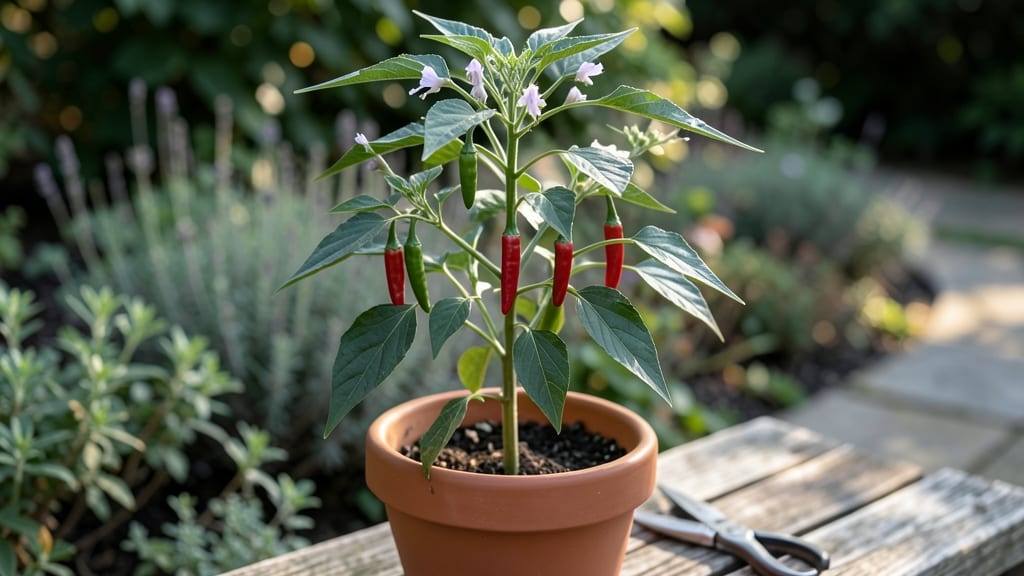
Your cayenne peppers are stretching toward the sky like they're auditioning for a sunbeam, not producing fire. 🌱 That classic long thin growth happens when plants chase light instead of putting energy into fruit—whether from crowded pots, weak sunlight, or overcrowded beds.
The good news? This isn't a death sentence, just a signal to step in with better spacing, strategic pruning, and a little extra light love.
First, diagnose the root cause: are your cayennes in 6-inch pots or tighter? Stretched plants need at least 12 inches of space to branch properly. If light's the issue, move them to a south-facing window or add a grow light for 12-14 hours daily.
The goal is to slow that vertical sprint and trigger bushier growth—more branches mean more fruit clusters, not just one lonely pepper at the top.
Pruning is where the magic happens. Pinch off the top set of leaves when plants hit 12-18 inches, then trim any leggy stems back to a side branch or leaf node. This forces energy downward where it belongs.
Within 2-3 weeks, you'll see new side shoots forming—each one a potential fruit-bearing branch. Yes, it means fewer peppers at first, but the trade-off is denser, more productive plants that fill out their space instead of towering like telephone poles.
Here's the payoff: properly managed cayennes produce 2-3 times more peppers than their stretched-out cousins, and the flavor stays bold because the plant isn't diverting energy to endless stem growth.
The vertical habit actually works in your favor—trellis them up a fence or cage to save space, and you'll maximize both yield and heat. Now grab those shears and let's turn those skinny stems into firepower.
📚 In This Guide
- What you need
- Instructions
- Tips and common mistakes
- Wrapping up and next steps
What you need
- ● Seeds: Cayenne pepper seeds (choose a long, thin variety like ‘TAM Mild’ or ‘Cayenne Long Slim’). Quantity: 3–5 seeds per vertical planter (or 1–2 per pot if transplanting).
- ● Growing Containers: Vertical Planter: Fabric grow bags (5–10 gallons), trellis pots, or wall-mounted pockets (height: 3–5 feet).
- ● Alternative: 5-gallon buckets with drainage holes (1–2 plants per bucket).
- ● Potting Mix: Well-draining, nutrient-rich soil blend (e.g., 60% coco coir, 30% perlite, 10% compost). Quantity: 1–2 cubic feet per plant.
- ● Support System: Trellis, bamboo stakes, or netting (for climbing varieties).
- ○ Optional: Self-watering wicks or drip irrigation kit for vertical setups.
- ● Basic Tools: Trowel, pruning shears, and gloves (cayenne peppers can be spicy to handle!).
- ● Watering Supplies: Spray bottle (for seedlings) + watering can or hose with gentle nozzle.
- ● Fertilizer: Balanced liquid fertilizer (10-10-10 or organic fish emulsion). Schedule: Every 2–3 weeks after germination.
- ● Prerequisites: Sunlight: 6+ hours of direct sun daily (south-facing window or grow lights for indoors).
- ● Warmth: Soil temp 70–90°F (use a heat mat for seedlings if needed).
- ○ Optional: pH test kit (ideal soil pH: 5.8–6.8 for cayennes).
Instructions: how to train cayenne peppers vertically for maximum heat
Here's how I turn sprawling cayenne plants into compact, high-yielding vertical powerhouses—perfect for small spaces.
🪴 Step 1: Choose Your Vertical Support Structure
Start with a sturdy trellis, tomato cage, or even a repurposed wire grid that's at least 3 feet tall and 18 inches wide. I prefer galvanized wire cages because they're rust-resistant and provide 360-degree support as the plant grows. Position it in full sun—cayennes need 6-8 hours daily—and ensure the base is anchored securely to prevent tipping when laden with peppers.
For extra stability, drive 2-3 stakes into the ground around the perimeter and weave the cage wires through them. The goal is a structure that can handle 10+ pounds of fruit without bending. If you're using a bamboo stake instead, tie the main stem loosely to it with soft plant ties every 12 inches as it grows.
☀️ Step 2: Prune Strategically for Vertical Growth
When your cayenne reaches 12-18 inches tall, pinch off the top set of leaves just above a leaf node where side branches emerge. This forces energy into lateral growth rather than a single tall stem. Watch for new side shoots—these will become your fruit-bearing branches. Remove any that grow downward or inward to prevent shading and improve airflow.
I always keep 2-3 main lateral branches per plant, pruning back any that exceed 12 inches in length. The key is balance: too many branches = small peppers; too few = wasted growth potential. Use sterilized pruning shears and make cuts at a 45-degree angle just above a leaf node to encourage healing.
🌿 Step 3: Train the Main Stem and Lateral Branches
Gently guide the main stem upward along your support structure, securing it with soft plant ties every 6-8 inches. Avoid tying too tightly—you want the stem to grow straight but not strangled. For lateral branches, weave them horizontally through the trellis or cage no more than every 12 inches to distribute weight evenly.
Here's the thing—don't let branches sag. If a pepper-laden branch starts drooping, immediately tie it to the support or it'll break under the weight. I use old T-shirts cut into strips for ties because they're gentle on stems and biodegradable. Rotate branches quarter-turns weekly to prevent them from growing toward the light and becoming lopsided.
💧 Step 4: Water and Fertilize for Vertical Strength
Water at the base only, delivering 1-1.5 gallons weekly during dry spells. Let the top inch of soil dry between waterings—cayennes hate soggy roots but need consistent moisture for fruit development. I use a drip irrigation system on a timer to avoid wetting leaves, which prevents fungal diseases like anthracnose that can ruin your harvest.
Feed with a balanced 10-10-10 fertilizer every 4-6 weeks, but reduce nitrogen after flowering begins. Too much nitrogen = leafy growth, fewer peppers. Instead, switch to a low-nitrogen, high-phosphorus formula (like 5-10-10) to encourage fruiting. Watch for yellowing leaves—this is your cue to cut back on fertilizer immediately.
✂️ Step 5: Harvest and Prune for Continuous Production
Pick peppers when they're firm and bright red (or your preferred color) to encourage more fruit. Use clean pruners to avoid damaging stems, and harvest in the morning when heat levels peak. I wear gardening gloves—cayennes pack a serious punch, and the oils can irritate skin.
After each harvest, prune back any spent branches that have lost more than half their leaves. This redirects energy to newer growth. For extra-long plants, I'll do a light top prune in late summer to prevent winter dieback. Just snip the top 6 inches of the main stem—this signals the plant to focus on ripening existing peppers rather than putting energy into new growth.
Tips & tricks for vertical cayenne pepper growth
Here's what I've learned after years of transforming sprawling cayenne plants into vertical heat machines—these tricks will help you maximize yield without sacrificing space.
Support Structure Stability: The 3-foot tall structure isn't just about height—it's about weight distribution. I've seen wire cages collapse under 10 pounds of peppers, so always anchor your trellis with 2-3 stakes. For extra security, bury the base stakes 6 inches deep and use zip ties to connect them to the cage. This prevents tipping when branches get heavy with fruit. The goal is a structure that feels unshakable even when laden with peppers.
Pruning Precision: When you reach Step 2 and pinch off those top leaves, aim for the exact spot just above a leaf node where side branches emerge. This is where the plant's growth hormones direct energy. I use my fingernail to make a clean break rather than tearing—this prevents damage that could invite disease. For the 2-3 main lateral branches, think of them as your primary fruit producers. Any additional branches beyond this number will compete for resources, resulting in smaller peppers.
Tie Technique: The 6-8 inch spacing for ties on the main stem might seem frequent, but it's crucial for preventing kinks that can strangle growth. Use soft plant ties that you can easily adjust as the stem thickens. I've found that old T-shirt strips work best—they're gentle, biodegradable, and won't cut into the stem as it grows. Remember to loosen these ties every few weeks as the stem expands. The key is to support without restricting.
Watering Wisdom: That 1-1.5 gallons weekly guideline assumes average summer conditions. In extreme heat (above 90°F), increase to 2 gallons weekly and check soil moisture daily. The top inch drying rule is critical—cayennes are drought-tolerant but won't produce well if roots stay soggy. I've learned this the hard way after seeing plants wilt from both underwatering and overwatering. A moisture meter is worth the investment for perfect timing.
Pro Tips for Long Thin Cayenne Pepper Plant
- Here's what I've learned after years of transforming sprawling cayenne plants into vertical heat machines—these tricks will help you maximize yield without sacrificing space.
- Support Structure Stability: The 3-foot tall structure isn't just about height—it's about weight distribution.
- Pruning Precision: When you reach Step 2 and pinch off those top leaves, aim for the exact spot just above a leaf node where side branches emerge.
Frequently asked questions
How long does it take for a long thin cayenne pepper plant to bear fruit?
A long thin cayenne pepper plant typically starts producing fruit 80–90 days after transplanting, assuming warm temperatures (70°F+). Early varieties may yield peppers as soon as 60 days, while heirlooms can take up to 120 days. Patience is key—consistent sunlight (6+ hours/day) and balanced fertilizer (like 10-10-10) speed up fruiting.
Can long thin cayenne peppers survive winter in cold climates?
No, cayenne peppers are tender annuals and die in frost (below 32°F). In cold zones, grow them in containers and move indoors before fall or start seeds again in spring. For year-round heat, try a greenhouse or grow lights. Mulch heavily in fall if extending the season outdoors—just don’t expect peppers to overwinter.
Are there dwarf or bush varieties of cayenne peppers?
Yes! While traditional cayenne plants are tall and vining (up to 4–5 feet), look for bush varieties like ‘Cayenne Mini’ or ‘TAM Mild’ (a milder relative) that stay compact (1–2 feet). These are perfect for containers or small spaces. Just ensure they get full sun—even dwarf types need 6+ hours daily to thrive.
What’s the best way to prevent pests on long thin cayenne plants?
Cayennes attract aphids, spider mites, and hornworms. Prevent pests naturally with:
- Neem oil spray (weekly preventative)
- Row covers (lightweight fabric) for early growth
- Handpick hornworms (they’re camouflaged!)
- Companion plant with basil or marigolds to deter pests
Why are my cayenne peppers turning yellow or dropping off?
Yellowing or dropped peppers usually signal stress. Common causes:
- Underwatering: Soil should stay consistently moist (not soggy).
- Overwatering: Root rot thrives in waterlogged soil.
- Nutrient deficiency: Add calcium (egg shells) or phosphorus (bone meal) if peppers form but drop.
- Extreme heat: Peppers may drop if temps exceed 90°F.
Wrapping up and next steps
Growing long, thin cayenne pepper plants is a game-changer for small gardens—packing heat into tight spaces without sacrificing flavor or yield! 🌱 With the right vertical support, sunlight, and care, you’ll enjoy a bountiful harvest of fiery peppers while maximizing your growing area.
Whether you’re a seasoned gardener or just starting, these plants prove that big rewards come in small (but mighty!) packages.
Ready to level up your garden? Start by planting your cayenne seeds or seedlings this season, and watch your vertical firepower transform into a spicy success! 🔥 Next step: Sketch a simple trellis design or browse local nurseries for sturdy supports—your future harvest is waiting!