
Companion Plants
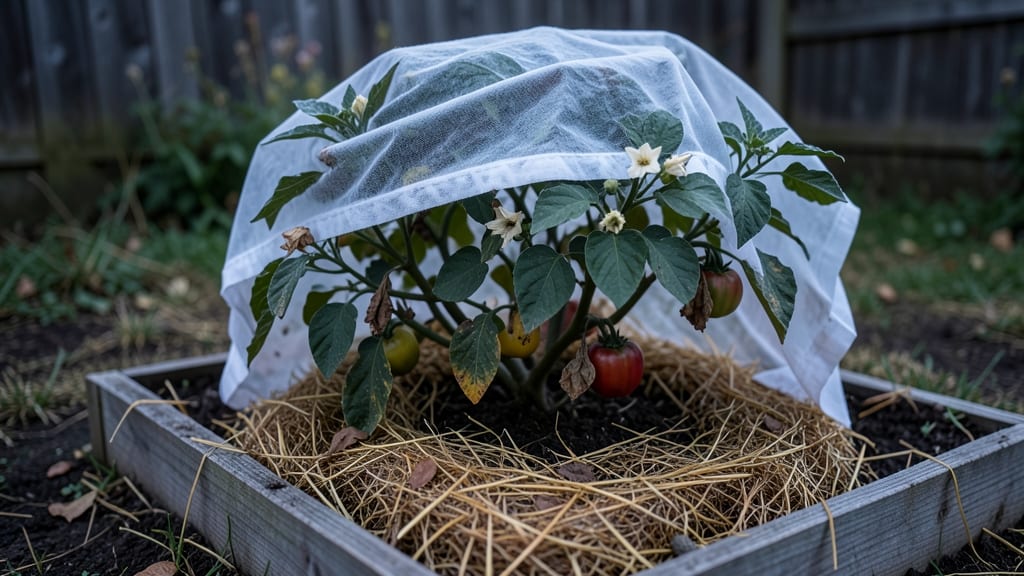
Overwintering bell pepper plants lets you keep harvesting through winter—even in Zone 7 where most gardeners give up by November. 🌱 I’ve successfully overwintered peppers for three winters now, and the key isn’t just protecting them from frost, but helping them stay productive in low light.
The trick starts with the right setup: containers with wheels for easy moving, thick mulch to insulate roots, and a clear plastic dome to trap warmth.
In-ground plants need extra row covers or a mini greenhouse, while potted plants can move indoors near a sunny window when temps drop below 40°F. My plants still produced peppers well into February last year—something I never expected.
You’ll notice new growth appearing by late winter if you’ve done it right. The plants won’t be as vigorous as summer, but with proper care, you’ll still get harvests for 4-6 weeks when store-bought peppers are scarce and expensive.
Works for any climate with some adjustments—just match your method to your zone and light conditions. Here’s exactly how to make it work without losing your plants to cold snaps or pests.
📚 In This Guide
- What you need
- Instructions
- Tips and common mistakes
- Wrapping up and next steps
What you need
- ● Bell Pepper Plants: Healthy, mature plants (preferably 6+ inches tall) with no signs of disease. Quantity: 1-10 plants (depending on space).
- ● Containers: 5-gallon grow bags, pots (12"+ diameter), or fabric pots with drainage holes. Quantity: 1 per plant.
- ● Potting Mix: Well-draining, sterile mix (e.g., 60% peat moss, 30% perlite, 10% compost). Quantity: 5-10 gallons total.
- ● Slow-Release Fertilizer: Balanced (10-10-10 or 5-5-5) or organic options like worm castings. Quantity: 1 cup per 5 gallons of soil.
- ● Mulch: Straw, shredded leaves, or pine needles to insulate roots. Quantity: 2-3 inches per container.
- ● Pruners: Sharp, sterilized bypass pruners for trimming.
- ○ Grow Lights (Optional): LED or fluorescent lights (12-16 hrs/day) for indoor overwintering.
- ● Thermometer/Hygrometer: To monitor temperature (ideal: 60-75°F) and humidity (40-60%).
- ○ Heating Mat (Optional): For cooler climates (set to 65-70°F).
- ○ Row Covers or Cold Frames (Optional): For outdoor overwintering in mild zones.
- ● Location: Indoor space (sunny window, greenhouse, or basement with grow lights) or a sheltered outdoor spot (Zone 8+).
- ● Time: 2-4 weeks for acclimation before first frost.
- ● Knowledge: Basic pruning skills and pest/disease awareness.
How to overwinter bell pepper plants for next season
Here’s how I save my bell peppers through winter—no fancy equipment, just smart timing and care.
🌱 Step 1: Prune and Prepare Plants Before First Frost
Start by trimming your pepper plants back to half their height right before the first frost hits. I use clean, sharp scissors to cut just above a leaf node—this encourages bushier growth next season. Remove any yellow or diseased leaves first, as they’ll only slow recovery.
Water deeply 3 days before moving indoors to help flush out any remaining salts or pests. You’ll know it’s time when the soil feels damp 6 inches down. Don’t let the plants sit in soggy soil, though—drainage is key to preventing root rot during dormancy.
🪴 Step 2: Choose the Right Indoor Location
Move your pruned peppers to a bright, cool spot indoors—60-65°F is ideal. A north-facing window works best, but supplement with a grow light if natural light fades below 12 hours daily. I place mine under a simple LED bulb on a timer to mimic daylight.
Keep them out of direct heat sources like vents or radiators. You’ll notice new growth slow down in winter—that’s normal. The goal now is survival, not production. Reduce watering to once every 10-14 days, only when the top 2 inches of soil feel dry.
✂️ Step 3: Monitor for Pests and Diseases
Inspect plants weekly for spider mites or aphids—these pests love indoor environments. I spray with a mix of 1 teaspoon neem oil per quart of water if I spot any. Avoid chemical sprays; they can harm the plant’s roots during dormancy.
Watch for signs of stress like wilting or yellowing leaves. If you see these, adjust watering immediately. Overwatering is the #1 killer of overwintering peppers—roots rot quickly in cool indoor conditions. A quick finger test (stick your finger in the soil) is all you need.
☀️ Step 4: Gradually Reintroduce Sunlight in Early Spring
When temperatures rise above 50°F at night in early spring, start moving your peppers outside for 2-3 hours daily. I begin with a shaded patio spot to avoid sunburn. Gradually increase exposure over 2 weeks until they’re in full sun.
Fertilize lightly with a balanced 10-10-10 mix when you see new growth appear. You’ll know it’s working when leaves perk up and stems thicken. Prune again to remove any weak or leggy growth—this encourages stronger branching for next season’s harvest.
Tips & tricks for overwintering bell pepper plants
Here's what I've learned from years of saving my pepper plants through winter—these tricks keep them thriving until spring.
Pruning Precision: When you trim your plants to half their height in Step 1, focus on removing the top third of the plant, just above a leaf node. This encourages bushier growth next season by stimulating lateral shoots. I always use sterilized pruners to prevent disease transmission—wipe them with rubbing alcohol between cuts. The goal is to maintain a compact shape that's easier to manage indoors.
Indoor Light Strategy: That 12-hour daily light requirement in Step 2 is non-negotiable for healthy overwintering. If your north-facing window doesn't provide enough light, invest in a basic LED grow bulb—even a 6-inch one on a timer works wonders. Place it just 6-12 inches above the plants. I've seen peppers survive with as little as 8 hours of light, but they'll grow leggy and weak. Better to supplement than risk weak plants.
Watering Wisdom: The finger test mentioned in Step 2 and Step 3 is your best friend. Stick your finger 2 inches into the soil—if it feels dry at that depth, it's time to water. In winter, I water mine every 14 days unless the soil feels dry sooner. Overwatering during dormancy is the fastest way to kill your plants, so err on the side of caution. A saucer under the pot helps catch excess water and prevents root rot.
Spring Transition: That gradual 2-week sunlight reintroduction in Step 4 is crucial. Start with just 2-3 hours of morning sun in a shaded spot, then increase by 30 minutes each day. I've seen peppers go into shock when moved too quickly to full sun—they'll develop sunburned leaves that never recover. Watch for new growth as your signal to increase exposure. When nighttime temps stay above 50°F consistently, you can move them to full sun.
Pro Tips for Overwintering Bell Pepper Plants
- Here's what I've learned from years of saving my pepper plants through winter—these tricks keep them thriving until spring.
- Pruning Precision: When you trim your plants to half their height in Step 1, focus on removing the top third of the plant, just above a leaf node.
- Indoor Light Strategy: That 12-hour daily light requirement in Step 2 is non-negotiable for healthy overwintering.
Frequently asked questions
Got questions about keeping your bell pepper plants alive through winter?
You’re not alone! Here are answers to the most common concerns—so you can enjoy fresh peppers year-round without the stress.
Can bell pepper plants survive winter outside in cold climates?
Most bell pepper varieties are not cold-hardy and will die in frost (<32°F/0°C). However, with proper overwintering—like moving plants indoors, using grow lights, or growing in containers—you can extend their life. Choose long-day varieties (like 'California Wonder') for better cold tolerance.
When is the best time to bring bell pepper plants inside for winter?
Start moving potted plants indoors before the first frost (usually 2–4 weeks ahead). Ideal timing is when night temps drop below <50°F (10°C). Gradually acclimate them to indoor conditions over 5–7 days to avoid shock. Pro tip: Prune leggy growth before bringing them inside to encourage bushier, healthier plants.
What’s the easiest way to overwinter bell peppers indoors?
Place them near a south-facing window or under grow lights (12–16 hours/day). Keep temps between <60–75°F (15–24°C) and maintain humidity with a tray of water and pebbles. Reduce watering slightly—overwatering can lead to root rot. Bonus: Rotate pots weekly for even light exposure!
Why are my overwintered bell peppers not producing fruit?
Lack of light, low temps (<55°F/13°C), or insufficient pollination (even indoors!) are common culprits. Boost fruit set by:
- Using a small fan to mimic wind for pollination.
- Supplementing with a phosphorus-rich fertilizer (like 5-10-10).
- Ensuring 14+ hours of light with grow bulbs.
If peppers form but drop, it’s often due to ethylene gas buildup—open windows occasionally to ventilate.
Can I overwinter bell peppers in the ground instead of pots?
Overwintering in-ground peppers is riskier but possible in mild climates (Zone 8+). Use row covers, mulch (straw/leaves), and cold frames to insulate roots. In colder areas, dig up plants, trim roots, and pot them before frost. Warning: Soil temps below <40°F (4°C) can stunt growth—monitor closely!
Should I save seeds from overwintered peppers for next year?
Yes! Let a few peppers fully ripen indoors, scoop out seeds, and dry them on paper towels for 1–2 weeks. Store in a cool, dark place. However, hybrid varieties may not produce true-to-type offspring. For guaranteed results, buy fresh seeds annually or save seeds from heirloom varieties like 'Black Beauty.'
Wrapping up and next steps
Overwintering bell pepper plants is totally doable with the right prep and care—you’re now equipped to extend your harvests and save money on seeds! Whether you’re bringing them indoors or protecting them outside, consistency in light, warmth, and monitoring will keep your peppers thriving. 🌱
Ready to put your new skills to the test? Start by assessing your space this week—whether it’s a sunny windowsill, greenhouse, or cold frame—and gather your supplies. Before you know it, you’ll be enjoying homegrown bell peppers straight from your overwintered plants! 🌟