💥 Quick Answer Understanding fish pepper's Scoville heat reveals it sits between 10,000–30,000 SHU , making it a gentle yet noticeable spice—warmer than a banana pepper but far milder than jalapeños. This balanced heat…
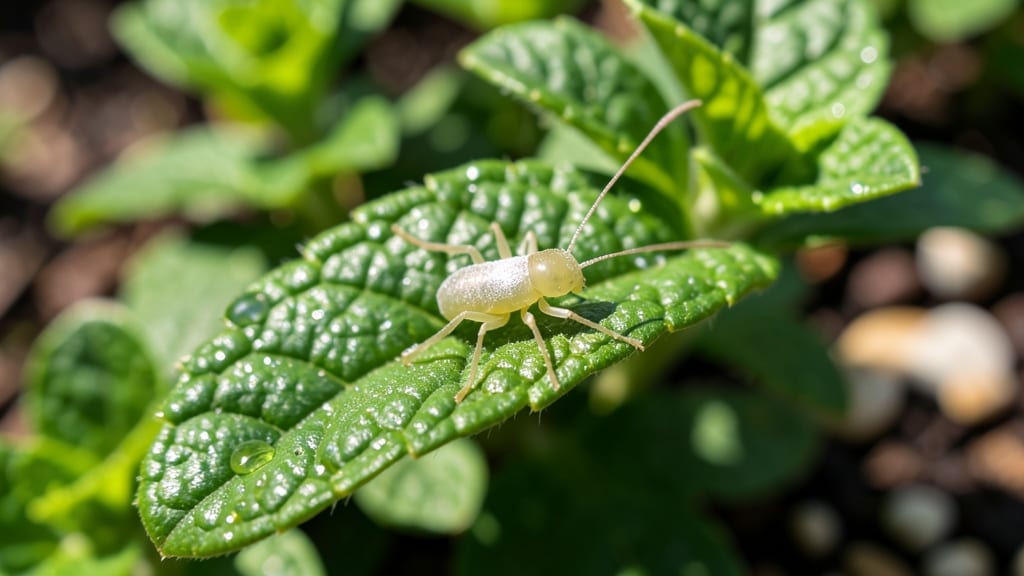
Sweet pepper pests can turn your thriving 🌶️ crop into a battleground before you even notice the damage. Sweet peppers are a gardener’s pride—until pests strike. Identifying early warning signs of infestation can save…
💥 Quick Answer Black stems on pepper plants usually indicate fungal infections such as black rot or stem rot, triggered by overwatering, poor soil drainage, or high humidity. Act fast by trimming infected stems and…
💥 Quick Answer The Bolivian rainbow pepper offers a bright, fruity-sweet taste with gentle warmth (10,000–23,000 Scoville units), perfect for fresh snacks, salsas, and decorative garnishes while staying crisp when…
Do mosquitoes hate peppermint oil? The answer is a resounding yes—its potent menthol compounds overwhelm their scent-detection systems, though effectiveness depends on concentration and mosquito species. A diluted…
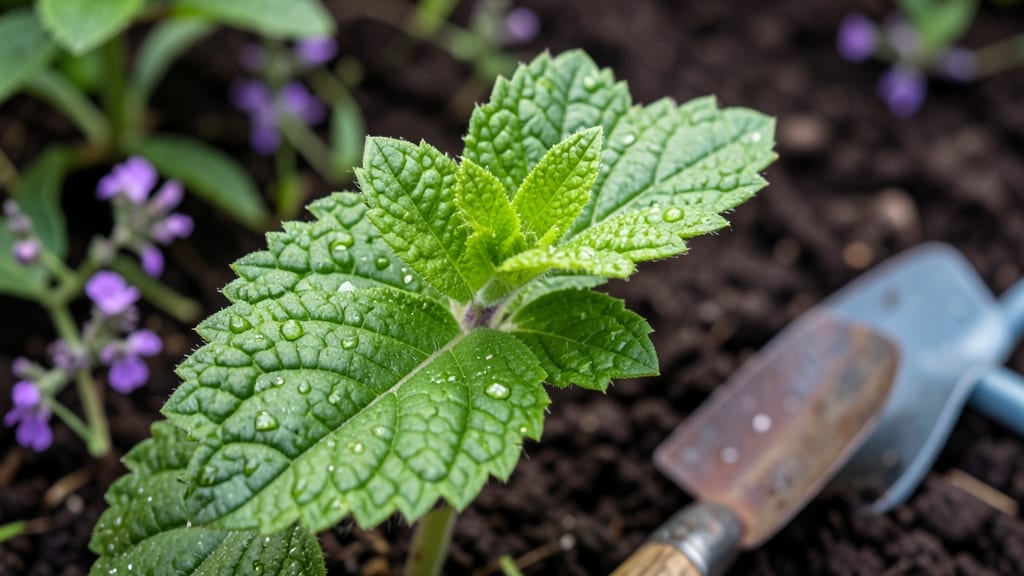
💥 Quick Answer Peppermint plants do repel bugs like ants, mosquitoes, and aphids thanks to their strong menthol scent, but they won’t stop larger pests like deer, rabbits, or slugs. Planting them near vulnerable crops…
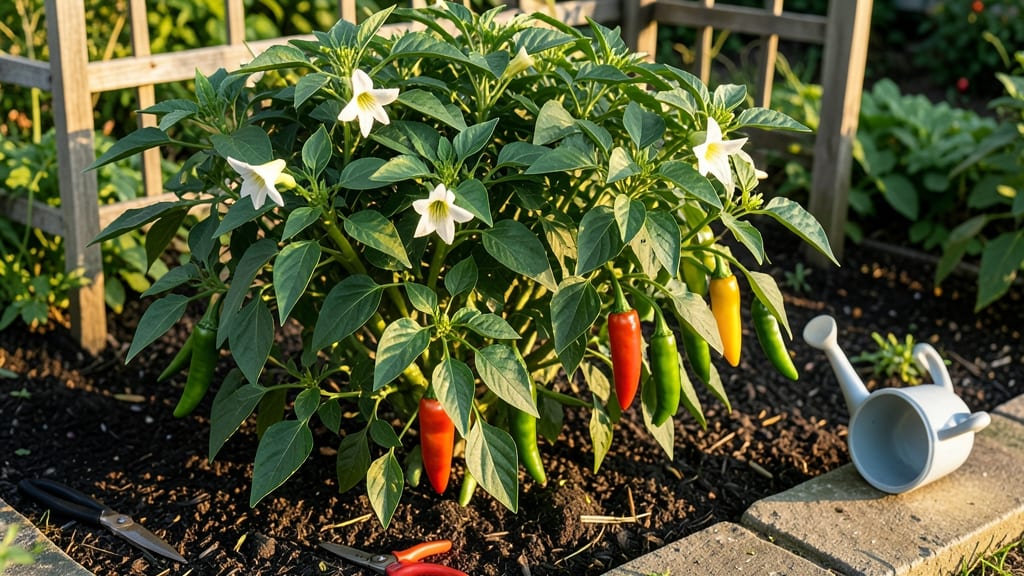
💥 Quick Answer When you look at chili peppers, you'll see they come in diverse forms—small to medium-sized plants with glossy, waxy leaves and fruit pods shaped like cones, cylinders, or elongated ovals. Their colors…
I grew up with a garden behind my house in rural Ohio, where my dad taught me that the best meals start with something you’ve grown yourself. Over the years, I’ve filled my greenhouse with peppers of every color and heat level, learning the quirks of each variety along the way.
This site is where I share those lessons—whether it’s troubleshooting a wilting plant or celebrating a harvest—so you can grow with confidence, just like I did.