
Plants
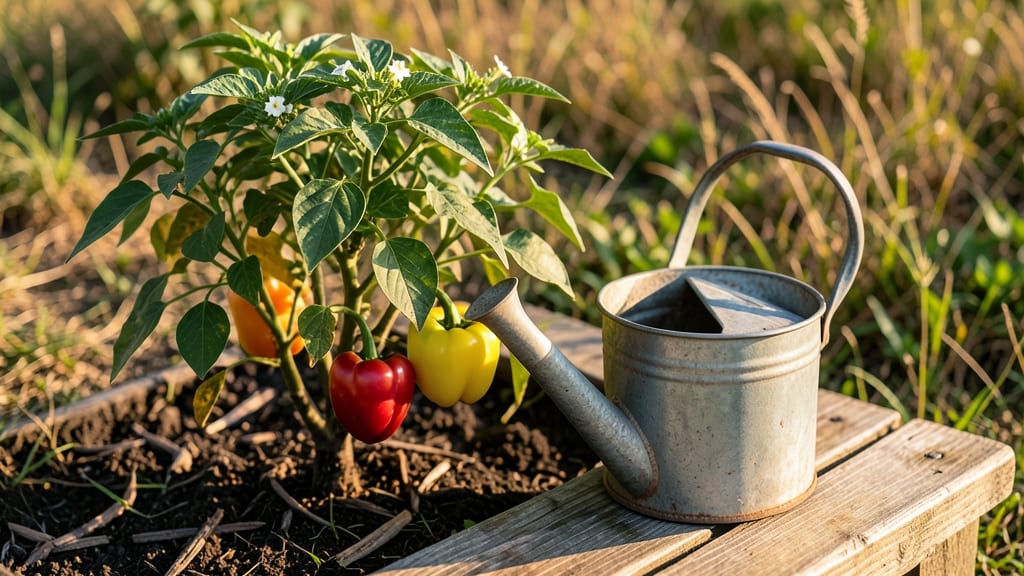
Black stems on pepper plants usually indicate fungal infections such as black rot or stem rot, triggered by overwatering, poor soil drainage, or high humidity. Act fast by trimming infected stems and improving air circulation to stop the spread.
When you spot blackened stems on your pepper plants, it’s often a red flag for fungal pathogens like Phytophthora or Botrytis, which thrive in damp conditions. 🌱 These diseases start with small black spots that spread upward, eventually causing wilting or collapse.
The key to saving your plants lies in early detection—check stems for soft, discolored areas and avoid touching healthy plants with contaminated tools. If you’re unsure, a simple soil test can confirm whether moisture levels are the culprit.
Once identified, the next step is intervention. Copper-based fungicides or neem oil sprays can help, but prevention is just as critical. Improve drainage by amending soil with compost or perlite, and space plants wider to enhance airflow.
For existing infections, prune affected stems below the lesion with sterilized shears and dispose of clippings immediately. Mulching with straw can also reduce soil moisture at the stem base, cutting off the fungus’s lifeline.
💡 In This Article
- Identifying and Diagnosing Black Stem Fungus in Peppers
- Organic and Chemical Treatments for Pepper Stem Rot
Identifying and diagnosing black stem fungus in peppers
The blackening you're seeing on pepper stems is likely caused by fungal pathogens like Phytophthora capsici (black rot) or Botrytis cinerea (gray mold). These fungi thrive in wet conditions, where their spores germinate and infect plant tissues through microscopic wounds or natural openings.
The black color comes from melanin—a pigment produced by the fungus to protect itself from UV light and environmental stress. Under a microscope, you'd see dense hyphae (thread-like structures) spreading through the stem's vascular system, blocking water and nutrient flow.
Symptoms typically start with small, dark spots near the soil line that expand upward, creating a wet, mushy texture when pressed.
As the infection progresses, stems may develop sunken lesions or turn entirely black, while leaves wilt even when soil appears moist. Phytophthora often appears in lower stems during rainy seasons, while Botrytis spreads more rapidly in high-humidity greenhouses.
The key difference? Phytophthora causes a foul, rotten smell, whereas Botrytis produces gray, fuzzy spores on affected areas. 🌡️ Temperature matters too—both fungi prefer 68-86°F but struggle above 90°F.
To confirm your diagnosis, examine the stem cross-section: healthy tissue should be crisp and green, while infected areas appear brown and waterlogged. For lab confirmation, cut a 1-inch section of affected stem, place it in a sealed plastic bag with a damp paper towel, and incubate for 48 hours.
If black fungal growth appears, you've confirmed the pathogen. Alternatively, send samples to a local agricultural extension office—they often offer free testing and can recommend targeted treatments based on your climate.
Environmental triggers play a huge role in fungal outbreaks. Overwatering creates anaerobic soil conditions that weaken stems, making them prime targets. Poor drainage (especially in clay soils) keeps roots saturated, while dense plantings restrict airflow, trapping moisture.
Even morning dew can be problematic if leaves stay wet for more than 6-8 hours. Check your watering habits: peppers need 1-1.5 inches of water weekly, but soil should dry slightly between waterings.
Mulching with straw can help, but avoid piling it directly against stems—this creates a damp microclimate perfect for fungal growth.
Don't overlook cultural practices that may be contributing. For example, overhead irrigation splashes water onto stems, while drip irrigation keeps foliage dry. If you're using raised beds, ensure they have drainage holes and are filled with a mix of 60% soil, 30% compost, and 10% perlite.
The goal is to create an environment where excess moisture can't linger. Even organic matter like compost can harbor fungal spores if it's not properly aged—always use well-composted material that's heated to 140°F during decomposition.
One common misdiagnosis is confusing black stem rot with verticillium wilt, which causes yellowing leaves and internal stem discoloration. The key difference? Verticillium wilt doesn't produce surface blackening—it attacks the plant's vascular system from within.
If your plants show both stem blackening AND leaf yellowing, you may be dealing with a secondary infection. In this case, a soil test for fungal populations can provide clarity. 🌱