
Plants
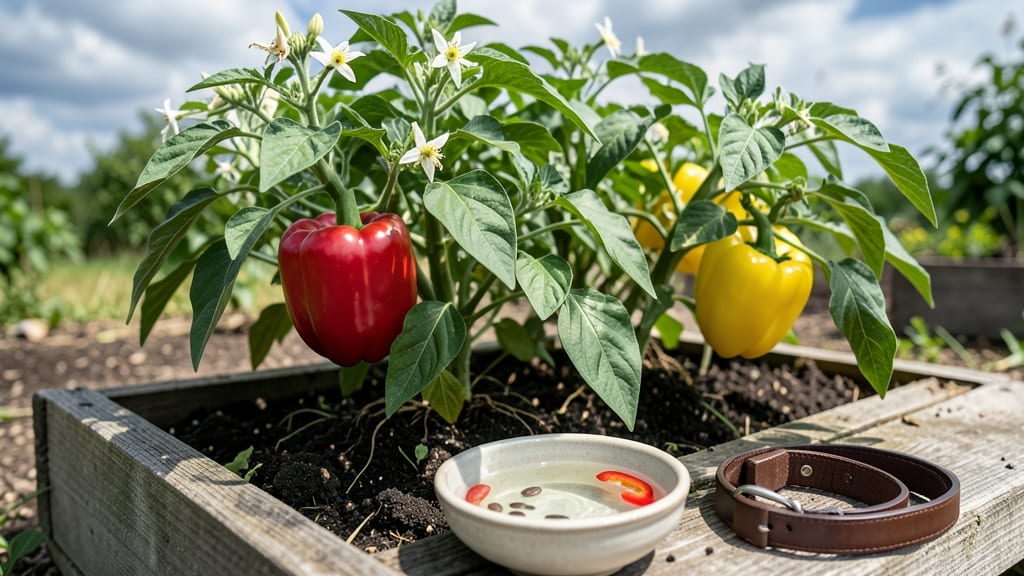
Pepper plants are toxic to dogs, containing capsaicin and solanine which can cause drooling, vomiting, and diarrhea. Avoid exposure and consult a vet if ingestion occurs, as symptoms may worsen without treatment.
Pepper plants pose risks to dogs due to their natural compounds like capsaicin and solanine, which irritate their digestive and nervous systems. 🌶️ Even small amounts can trigger symptoms ranging from mild stomach upset to severe reactions, depending on the dog's size and sensitivity.
Some varieties, like hot peppers, contain higher concentrations of these irritants, making them particularly dangerous.
If you're concerned about your dog's safety around plants, consider replacing peppers with dog-friendly alternatives like basil or rosemary, which are non-toxic and safe for pets. Keeping your garden secure with fences or raised beds can also help prevent accidental ingestion while maintaining a vibrant outdoor space.
💡 In This Article
- Toxic Compounds in Pepper Plants Dogs Should Avoid
- Safe Pepper Varieties and Dog-Friendly Garden Alternatives
Toxic compounds in pepper plants dogs should avoid
The primary culprits in pepper toxicity for dogs are capsaicin and solanine. Capsaicin, the compound responsible for the heat in chili peppers, irritates a dog's mouth, throat, and digestive tract by binding to TRPV1 receptors—similar to how it affects human taste buds but far more aggressively.
Even a small nibble of a hot pepper can cause immediate burning sensations, excessive drooling, and pawing at the mouth, as the compound triggers pain signals in their nervous system.
Solanine, found in higher concentrations in green or unripe peppers, acts as a natural pesticide in plants. It disrupts a dog's nervous system by interfering with acetylcholine, a neurotransmitter that regulates muscle contractions and heart rate.
Symptoms like vomiting, diarrhea, and lethargy occur as the body struggles to process this alkaloid. For example, a 10-pound dog ingesting just 0.5 grams of green pepper foliage might experience mild symptoms, while a 50-pound dog could face severe reactions from larger quantities.
Hot pepper varieties like jalapeños, habaneros, and cayenne contain 10-100 times more capsaicin than bell peppers, making them exponentially riskier.
The heat level, measured in Scoville units, directly correlates with toxicity—habaneros (150,000-350,000 SHU) can cause symptoms within 15-30 minutes of ingestion, while bell peppers (0 SHU) are relatively safer but still contain solanine. The plant's stems and leaves are particularly dangerous, as they concentrate these compounds for self-defense.
Dogs metabolize these toxins differently than humans due to their smaller size and faster heart rates. Capsaicin lingers in their system longer, while solanine can accumulate, leading to delayed but worsening symptoms over 24-48 hours.
Breeds with sensitive stomachs, like Border Collies or Dachshunds, may react more severely, while larger breeds like Labradors might tolerate small amounts better—but this is never a safe assumption.
What makes this especially tricky is that dogs often don't show immediate distress. Some may appear fine for hours before symptoms escalate, masking the urgency of veterinary care.
For instance, a dog might chew on a cayenne pepper plant in your garden, only to develop vomiting 6 hours later after the capsaicin has fully absorbed. 🚨
Even dried or powdered pepper products (like chili flakes) pose risks, as they concentrate capsaicin. A single pinch on a dog's paw can cause irritation and licking, leading to accidental ingestion. This is why pet owners must store spices securely and supervise outdoor spaces where pepper plants grow.