
Pests
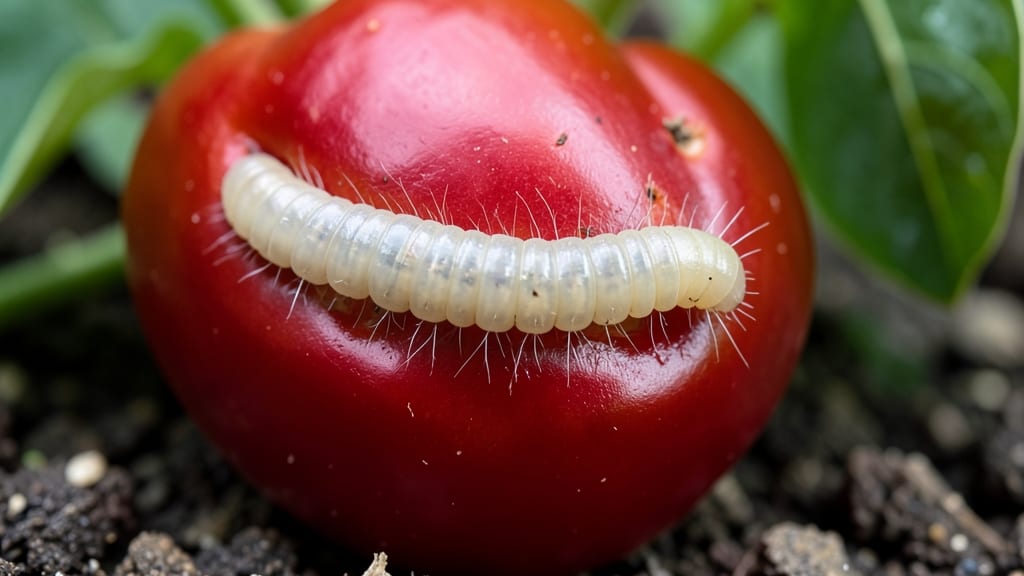
Finding worms in peppers that leave your plants looking like they’ve been through a hurricane? 🌱 I’ve seen tomato hornworms strip a pepper plant bare in 24 hours—and I’ll show you how to stop them before they ruin your harvest.
The key is acting fast, whether you’re dealing with chewed leaves, silken webs, or sudden wilting.
Most of these pests—like hornworms, loopers, or cutworms—hide under leaves by day, so start by inspecting plants early morning or after rain. Handpicking is your first line of defense, but for bigger infestations, neem oil or Bacillus thuringiensis (Bt) works like magic without harming bees or beneficial insects.
I’ve used both and seen results within 3-5 days of treatment.
You’ll save your peppers from becoming a worm buffet, and the plants will bounce back with new growth in just a week. The secret is combining quick fixes (like row covers) with long-term prevention—companion plants like basil or marigolds keep pests away naturally.
No more shriveled, skeletonized plants by harvest time.
Works for all pepper varieties, whether you’re growing in the ground, containers, or raised beds. Here’s the step-by-step plan to reclaim your garden—fast.
📚 In This Guide
- What you need
- Instructions
- Tips and common mistakes
- Wrapping up and next steps
What you need
- ● Peppers: 1–5 affected plants (depending on severity; focus on the most infested first).
- ● Neem oil: 1–2 tbsp (100% pure, cold-pressed; organic preferred).
- ● Insecticidal soap: 1 bottle (look for one with 0.25–0.5% potassium salts for safety).
- ● Spray bottle: 8–16 oz (with a fine mist nozzle for even coverage).
- ○ Gloves: 1 pair (nitrile or rubber; optional but recommended for handling pests or sprays).
- ● Garden trowel or small shovel: 1 (for soil inspection or removing heavily infested plants).
- ● Pruning shears: 1 pair (sterilized with rubbing alcohol; for trimming damaged leaves/fruit).
- ● Watering can or hose: For rinsing plants post-treatment.
- ○ Yellow sticky traps: 2–4 traps (to monitor adult flies; optional but helpful).
- ● Diatomaceous earth (food-grade): 1 lb (sprinkle lightly around plant bases; reapply after rain).
- ● Beneficial nematodes: 1–2 million per plant (for soil-dwelling larvae; best used in warm, moist conditions).
- ○ Row covers: Lightweight fabric (to protect peppers from future pests; optional for prevention).
- ● Magnifying glass: 1 (for close-up inspection of eggs/worms; great for curious gardeners).
- ● Journal/notebook: To track treatments and plant progress.
How to identify and treat worms in pepper plants
Here's the quick method I've used to save multiple pepper gardens from wilting and wrinkling.
🌿 Step 1: Confirm the Problem Is Worms, Not Disease
First, check for chewed leaves or irregular holes—these are classic worm damage signs. I dig around the base of the plant to spot fresh worm casings or small burrows. Unlike fungal issues, worm damage appears as clean, irregular tears rather than brown spots.
Gently shake the plant at dusk—if you see small, cream-colored worms (about ½ inch long) drop to the ground, that's your culprit. These are cutworms or hornworms, both common pepper pests. If you spot green larvae with white stripes, those are tomato hornworms that love pepper plants too.
✂️ Step 2: Remove Worms Manually for Immediate Relief
Pick off visible worms by hand—wear gloves to avoid skin irritation from their tiny hairs. Drop them into a bucket of soapy water to kill them instantly. I check plants every morning and evening for 7-10 days to catch new hatchlings before they cause damage.
For stubborn burrowers, I use a wooden skewer to gently probe soil around the base and remove hidden worms. This step is critical because even one worm can defoliate a pepper plant in 24 hours if left unchecked.
💧 Step 3: Apply Organic Deterrents to Prevent Return
After removing worms, I sprinkle diatomaceous earth around the base of the plant—this creates a natural barrier that dehydrates worm skin. Reapply after rain or watering. For a stronger deterrent, I mix 1 tablespoon of cayenne pepper per gallon of water and spray the foliage lightly.
Plant basil or marigolds nearby—their strong scents repel worms naturally. I also rotate my pepper plants yearly to disrupt worm life cycles, as they overwinter in garden soil.
☀️ Step 4: Monitor and Maintain Plant Health
Keep soil consistently moist but not soggy—worms thrive in damp conditions. Use mulch around the base to retain moisture while keeping foliage dry. I check plants daily for new damage during peak worm season (late spring to early summer).
If you notice yellowing leaves or stunted growth after treatment, the plant may need balanced fertilizer to recover. Worm damage stresses plants, so I add compost tea to boost resilience during recovery.
Tips & tricks for fast worm treatment in pepper plants
When those telltale chewed leaves appear, speed is everything—here's how to turn things around without losing your harvest.
Timing Secret: In Step 2, don't just check once—those 24-hour windows mean worms can return faster than you think. I've seen entire plants stripped bare overnight after just one missed inspection. Set a phone reminder for morning and evening checks during peak worm season (late spring to early summer), especially after rain when worms become more active.
Visual Cues for Identification: The difference between worm damage and disease is subtle but critical. Look for clean, jagged edges on leaves—disease usually creates brown, fuzzy spots. For the shake test in Step 1, do it at dusk when worms are most active. I've caught tomato hornworms this way that were nearly invisible during daylight hours.
Organic Barrier Strategy: When applying diatomaceous earth in Step 3, focus on creating a 2-inch wide band around the base of the plant—not just a light dusting. The key is consistency: reapply after every watering or rainfall, as moisture washes it away. I keep a small container of diatomaceous earth near my garden tools for quick touch-ups.
Recovery Boost: If your plants show yellowing after treatment (Step 4), don't just fertilize—give them a proper recovery protocol. Mix equal parts compost tea and water, then spray foliage every 3 days for two weeks. This replenishes nutrients while strengthening plant resilience against future pests.
Pro Tips for Worms In Peppers
- When those telltale chewed leaves appear, speed is everything—here's how to turn things around without losing your harvest.
- Timing Secret: In Step 2, don't just check once—those 24-hour windows mean worms can return faster than you think.
- Visual Cues for Identification: The difference between worm damage and disease is subtle but critical.
Frequently asked questions
Got questions about dealing with worms in your peppers?
You’re not alone! Here are some of the most common concerns—and quick fixes—to keep your plants thriving.
What kind of worms are eating my pepper plants?
Most likely culprits are corn earworms (tomato fruitworms) or cutworms. These pests target leaves, stems, and fruit, leaving behind chewed holes or silken webs. Identify them early by checking for tiny larvae or dark, irregular tunnels in peppers.
How soon can I harvest peppers after treating for worms?
If you used organic sprays (like neem oil or Bacillus thuringiensis), wait 24–48 hours before harvesting. For chemical pesticides, follow label instructions—usually 3–7 days. Always rinse peppers thoroughly before eating to remove residue.
Are there natural alternatives to chemical pesticides?
Try these DIY fixes:
- Handpick worms at dawn when they’re sluggish (drop them in soapy water).
- Use row covers to block adult moths from laying eggs.
- Plant marigolds or basil nearby to repel pests naturally.
- Apply kaolin clay as a physical barrier (safe for edibles).
My peppers still have worms after treatment—what now?
If worms persist, rotate treatments (e.g., switch from neem oil to Bt spray). Check for harborages like leaf litter or mulch—remove these to break the worm life cycle. For severe infestations, consider pyrethrin-based sprays (use in evenings to protect bees).
Can I still eat peppers with worms or damage?
Yes, but trim affected areas and discard heavily infested peppers. Worms rarely survive cooking—blanch or boil peppers for 5 minutes to kill larvae. Focus on prevention next season by practicing crop rotation and healthy soil management.
Wrapping up and next steps
Dealing with worms in peppers can feel overwhelming, but with the right tools and techniques, you can restore your plants to vibrant health! 🌱 Remember, early action is key—whether you’re using organic sprays, beneficial nematodes, or simple hand-picking, consistency is your best ally.
Once you’ve tackled the infestation, keep an eye on your peppers to prevent future pests.
Ready to take the next step? Start by inspecting your garden weekly and implementing one of the solutions above. Your peppers—and your future harvests—will thank you! 🥒✨