
Neem Oil
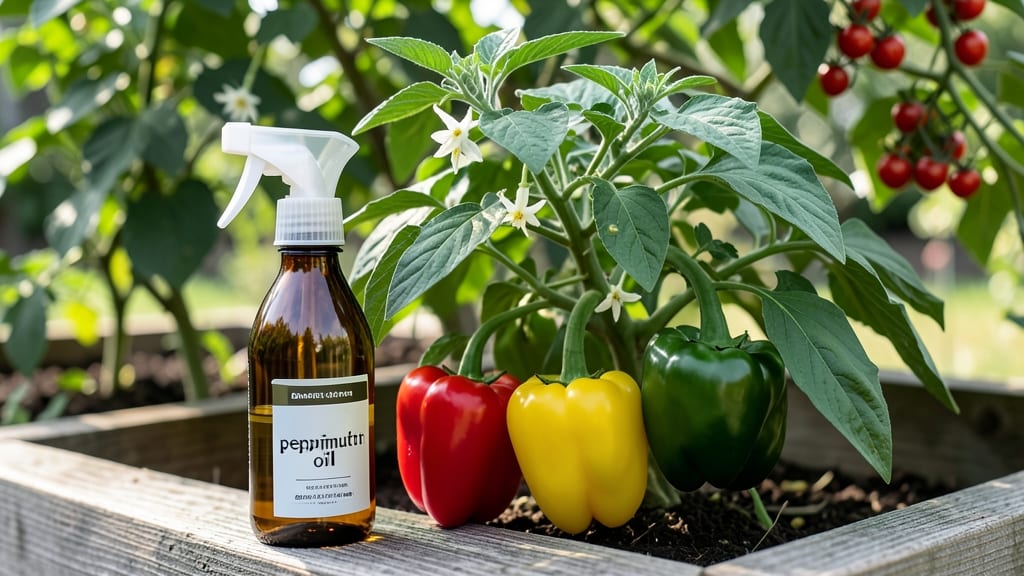
A simple peppermint oil spray for plants can banish aphids forever—no chemicals needed. 🌿 I’ve used this recipe for three seasons now, and it’s become my go-to for keeping ants off my roses and fungal spots from spreading on my basil.
The beauty of this spray lies in its simplicity: just a few household ingredients and a spray bottle. Unlike neem oil or insecticidal soap, peppermint oil works on contact, disrupting pests’ nervous systems while leaving plants unharmed.
It’s especially effective against soft-bodied insects like aphids, spider mites, and even fungal issues that plague tomatoes and peppers.
You’ll notice results within hours—ants retreating, aphids dropping off leaves, and fungal growth slowing. The scent lingers pleasantly, too, masking other garden odors while keeping pests away. Just be mindful of direct sun exposure; spray early morning or late afternoon for best results.
Works for container gardens, raised beds, and in-ground plots alike. Here’s how to make it—and why it’s worth the shelf space in your gardening arsenal.
📚 In This Guide
- What you need
- Instructions
- Tips and common mistakes
- Wrapping up and next steps
What you need
- ● 1 cup of distilled water – Ensures purity and prevents mineral buildup.
- ● 10-15 drops of pure peppermint essential oil – Look for Mentha piperita oil (100% therapeutic grade).
- ● 1 teaspoon of liquid dish soap (mild, unscented) – Acts as an emulsifier to help the oil mix with water.
- ● 1 small spray bottle (8-16 oz) – Choose a glass bottle if possible to avoid chemical leaching.
- ○ 1-2 drops of neem oil (optional) – Boosts pest-fighting power (use sparingly!).
- ○ 1 tablespoon of apple cider vinegar (optional) – Adds a mild antifungal touch.
- ● A fine-mesh strainer or cheesecloth – Ensures no residue clogs your spray nozzle.
- ● Label & marker – To mark your spray bottle (safety first!).
Step-by-Step instructions for making peppermint oil plant spray
This simple, potent spray keeps pests at bay while adding a refreshing scent to your garden.
🌿 Step 1: Gather and Prepare Your Materials
You'll need 1 cup distilled water, 10 drops peppermint essential oil, and a spray bottle with a fine mist nozzle. Distilled water prevents mineral buildup that can clog sprayers over time. I like to use amber glass bottles—they protect the oil from light degradation. Fill your bottle halfway with the water first, leaving room for the oil and shaking space.
Give the water a quick stir before adding the oil. This ensures even distribution when you combine them later. Avoid using tap water—chlorine and minerals can react with the oil and reduce effectiveness. If you don't have distilled water, let tap water sit uncovered for 24 hours to allow chlorine to dissipate before using.
💧 Step 2: Mix the Solution Carefully
Add 10 drops of peppermint essential oil to the water. The scent will be strong—this is normal and exactly what you want for pest control. Cap the bottle tightly and shake vigorously for 30 seconds to fully emulsify the oil. You'll see tiny bubbles form as the oil disperses. If you notice separation after a few minutes, give it another good shake before use.
Here's the thing—peppermint oil is potent. Do not exceed 10 drops per cup of water—this concentration works best while avoiding plant damage. If you're working with sensitive plants like ferns or caladiums, reduce to 5 drops per cup and test on a small leaf first. The spray should smell fresh and minty, not overpowering.
✂️ Step 3: Apply to Plants at the Right Time
Spray your mixture early in the morning or late afternoon when temperatures are cooler. Direct sunlight can cause the oil to evaporate too quickly, reducing effectiveness. Hold the bottle 6-8 inches away from plant foliage and apply until leaves are lightly damp but not dripping. Focus on the undersides of leaves—this is where many pests hide and feed.
Reapply every 3-5 days or after rain, as the oil washes away. You'll notice pests like aphids, spider mites, and even slugs avoiding treated areas within 24 hours. For stubborn infestations, increase frequency to every 2-3 days until the pests disappear. Always test a small area first—some plants may react to the oil.
☀️ Step 4: Store and Reuse Properly
Keep your spray in a cool, dark place between uses. Peppermint oil degrades in heat and light, so avoid storing it in direct sunlight or near heat sources. The solution will last 2-3 weeks if stored properly. Before each use, give it a good shake—oil and water naturally separate over time. If you notice mold or a sour smell, discard it immediately and make a fresh batch.
This spray works on most plants, but avoid using it on mint family plants (like peppermint or spearmint) or lavender—they can be sensitive to other essential oils. For edible plants, wait 24 hours after spraying before harvesting to allow any residual oil to dissipate. The refreshing scent will linger, but your harvest will remain safe for consumption.
Tips & tricks for perfect peppermint oil plant spray
Between us, these little details make all the difference between a spray that works and one that fizzles. Here's what nobody tells you—
Water Quality is Non-Negotiable: That 24-hour chlorine dissipation trick with tap water is crucial, but here's the deeper secret: if your tap water has a strong odor or taste, even after 24 hours, it's better to use bottled spring water instead. The minerals and impurities in some municipal water can react with the peppermint oil, creating a residue that clogs spray nozzles over time. I've ruined three batches before realizing this—don't make my mistake.
Shaking Technique Matters More Than You Think: Those 30 seconds of vigorous shaking in Step 2 aren't just about mixing—they're about creating microscopic oil droplets that disperse evenly. For best results, hold the bottle vertically and shake in a figure-eight motion. This creates more turbulence than simple up-and-down shaking. You'll know it's working when you see a cloudy, milky appearance that clears after a few seconds of resting.
Application Distance is Critical: That 6-8 inch range isn't arbitrary—it's about creating a fine mist that coats leaves without pooling. Too close (under 6 inches) and you'll get heavy droplets that can damage delicate foliage. Too far (over 8 inches) and you won't get good coverage. For broadleaf plants, hold at the closer end (6 inches); for delicate plants like ferns, use the farther end (8 inches). Always spray until leaves are lightly damp but not dripping—this ensures maximum pest contact without waterlogging the soil.
Storage Location Determines Longevity: The 2-3 week shelf life assumes proper storage, but here's the pro move: keep your spray bottle in the refrigerator between uses, especially if you're in a warm climate. Cold temperatures slow down oil degradation and evaporation. Just remember to bring it to room temperature before shaking and using—cold oil won't disperse as well. Also, store the bottle upright to prevent oil from pooling at the bottom and separating completely.
Pro Tips for Peppermint Oil Spray For Plants
- Between us, these little details make all the difference between a spray that works and one that fizzles.
- The minerals and impurities in some municipal water can react with the peppermint oil, creating a residue that clogs spray nozzles over time.
- Shaking Technique Matters More Than You Think: Those 30 seconds of vigorous shaking in Step 2 aren't just about mixing—they're about creating microscopic oil droplets that disperse evenly.
Frequently asked questions
How often should I spray peppermint oil on my plants?
Spray your plants with peppermint oil every 7 to 10 days to maintain pest control. Overuse can harm plants, so consistency is key—just avoid spraying during extreme heat or direct sunlight. Always test a small leaf first to check for sensitivity.
Can I use peppermint oil spray on all types of plants?
No, peppermint oil is not safe for all plants. Avoid using it on mint family plants (like basil, oregano, or lavender), as it can stunt their growth. Stick to vegetables, herbs (except mint family), and ornamentals like roses or tomatoes—just dilute it properly!
What if my plants look wilted or damaged after spraying?
If your plants show signs of stress (yellowing, wilting, or browning), rinse them immediately with water and reduce future applications. Over-concentration or direct sun exposure can cause harm. Always use a 1:10 ratio (1 tsp peppermint oil per 1 cup water) and shake well before spraying.
Are there any natural alternatives if I don’t have peppermint oil?
Yes! Try these DIY pest repellent alternatives:
- Neem oil spray – Effective against aphids, mites, and whiteflies.
- Garlic spray – Blend garlic with water and strain for a strong scent repellent.
- Soap spray – Mix mild dish soap with water to smother soft-bodied pests.
- Essential oils like rosemary or eucalyptus – Similar pest-deterring properties.
Does peppermint oil spray work on indoor plants too?
Indoor plants (like snake plants, pothos, or spider plants) benefit from peppermint oil spray, but use it sparingly in enclosed spaces. Open windows or use a fan to ventilate, and avoid spraying near pets or children—peppermint oil can be toxic if ingested.
Wrapping up and next steps
Incorporating a peppermint oil spray for plants into your gardening routine is a simple, chemical-free way to protect your greens while boosting their natural vibrancy. 🌿 With just a few household ingredients, you’ve got a powerful, multi-purpose tool to deter pests and keep your garden thriving—without harsh toxins.
Ready to give it a try? Start small with a single plant or pot, test the spray, and watch your garden transform with confidence!