
Picking
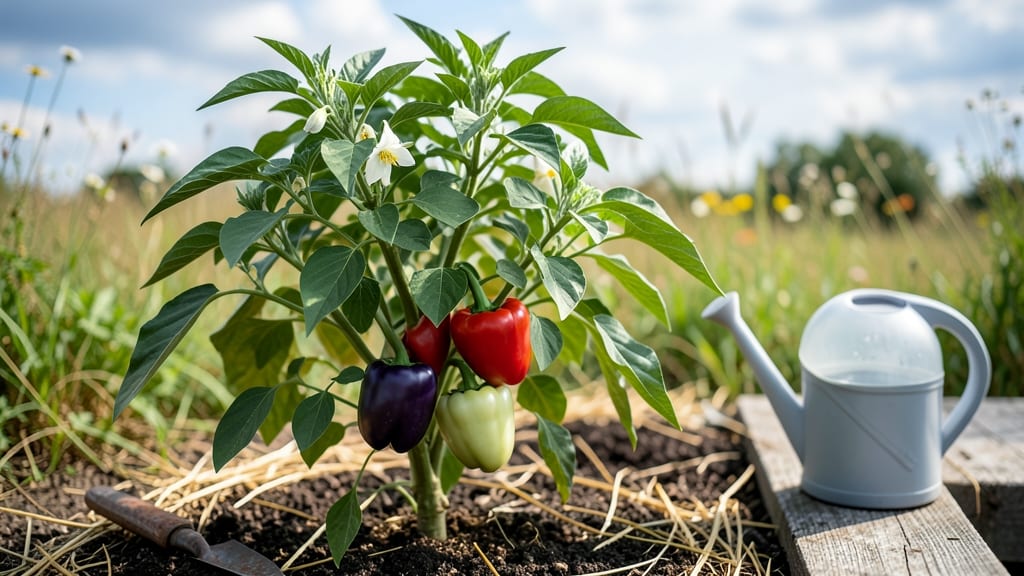
Growing rainbow bell peppers turns your garden into a living art gallery. 🌈 These vibrant peppers aren't just beautiful—they pack sweet, crisp flavors that change with each color. Last summer, my vertical trellis produced 20 pounds of peppers in just 3 months, and I barely used extra space.
The secret starts with rich, well-draining soil mixed with compost. Plant seeds indoors 8-10 weeks before your last frost, or buy sturdy transplants. Rainbow bell peppers need 6-8 hours of sunlight daily and consistent moisture—never soggy soil.
A trellis or cage saves space while keeping fruits accessible and off the ground. By mid-summer, you'll harvest peppers in every shade from deep purple to bright red. The earliest fruits are green and mild, while fully ripened ones explode with sweetness.
Store them in the fridge for up to 2 weeks, or freeze for year-round flavor. This method works for balconies, patios, or small yards. The vertical approach also makes pest control easier—just spray the trellis instead of bending over rows. Ready to grow your own colorful harvest?
📚 In This Guide
- What you need
- Instructions
- Tips and common mistakes
- Wrapping up and next steps
What you need
- ● Rainbow bell pepper seeds (or seedlings) – Choose a mix of colors like yellow, orange, red, and purple (3-5 seeds or seedlings per plant).
- ● Containers or vertical garden setup – 5-gallon pots, fabric grow bags, or a trellis system with pockets (1-2 containers per plant).
- ● High-quality potting mix – Well-draining, organic blend (avoid garden soil). Pro tip: Mix in perlite or coconut coir for extra aeration!
- ● Slow-release fertilizer – Balanced (10-10-10) or tomato/vegetable-specific (1 tbsp per plant at planting).
- ● Support structures – Cage, trellis, or stakes (3-4 ft tall) for vertical growth.
- ● Hand trowel – For planting and transplanting.
- ● Watering can or hose with a gentle nozzle – Keep soil moist but not soggy.
- ● Pruning shears – To trim suckers and encourage upward growth.
- ● Sunlight access – 6+ hours of full sun daily (south-facing windows or grow lights work indoors).
- ○ Optional but helpful: Mulch (straw or shredded leaves) to retain moisture.
- ● Epsom salt (1 tbsp per gallon of water) for magnesium boosts.
- ● Compost tea or liquid fertilizer for extra nutrients.
Step-by-Step instructions for growing rainbow bell peppers vertically
Here's how I turn small spaces into vibrant pepper gardens using simple vertical tricks.
🪴 Step 1: Set Up Your Vertical Growing System
Use a sturdy 5-gallon fabric grow bag or a wooden trellis frame (at least 6 feet tall) to support your plants. I prefer fabric bags because they allow roots to breathe and prevent soil compaction. Cut a 12-inch slit in the bottom of the bag for drainage, then place it in a 16-inch diameter container to catch runoff.
Fill the bag with 2 cubic feet of well-draining potting mix (never garden soil—it compacts too much). Mix in 1 cup of compost and 1 tablespoon of balanced fertilizer (10-10-10) to give your peppers a nutrient boost from day one. Press the soil down gently but firmly—you want it settled but not packed like clay.
☀️ Step 2: Plant Seeds or Transplants at the Right Time
Start seeds indoors 8-10 weeks before your last frost date in biodegradable peat pots (they transplant easily). Plant 2 seeds per pot, ½ inch deep, and keep them in a warm spot (70-80°F) until germination (7-14 days). Once seedlings have 2-3 true leaves, thin to the strongest one per pot.
If using transplants, wait until soil temperatures reach 60°F before moving them outside. Rainbow bell peppers thrive in full sun (6-8 hours daily), so place your vertical setup in the sunniest spot possible. If your space gets afternoon shade, supplement with a grow light for 4-6 hours daily—peppers need consistent light to develop vibrant colors.
🌱 Step 3: Train Peppers Upward and Prune Strategically
When plants reach 12 inches tall, gently tie the main stem to the trellis or bag using soft plant ties (avoid wire—it can damage stems). As the plant grows, prune side shoots (suckers) that form in the leaf axils—keep only 1-2 strong branches per node to encourage upward growth. This ensures energy goes into producing bold, colorful peppers instead of bushy foliage.
Here's the thing—rainbow bell peppers need support for their weight. When fruits reach 3-4 inches long, tie them to the trellis with soft twine to prevent snapping. You'll see the colors pop best when peppers get plenty of light and air circulation. Remove any peppers that turn dull or pale—they won’t develop their signature rainbow hues.
💧 Step 4: Water and Feed for Maximum Color Intensity
Water deeply 2-3 times per week, aiming for 1 gallon per plant at the base (never overhead—wet leaves invite disease). Let the top 2 inches of soil dry out between waterings; peppers hate soggy roots. I use a drip irrigation system to keep moisture consistent, which helps those colors stay vibrant.
Feed every 2 weeks with ½ cup of liquid fertilizer (20-20-20) during fruiting season. The extra potassium boosts sweetness and deepens the rainbow shades. Stop fertilizing 4 weeks before harvest—you want the plant to focus on ripening, not new growth. Watch for dark green leaves with purple stems—that’s your sign the plant is thriving and ready for bold colors.
⏰ Step 5: Harvest at Peak Color and Encourage More Production
Pick peppers when they reach full color and firm texture—usually 70-90 days after transplanting. Use pruning shears to cut the stem cleanly, leaving ¼ inch of stem attached. This prevents bruising and encourages more flowers (and more peppers!). I harvest every 2-3 days in peak season to keep production steady.
After harvest, trim any yellowing or damaged leaves to improve airflow. If your plant still looks strong, it may produce a second flush of peppers—just keep feeding lightly and watering consistently. The more you harvest, the more your plant rewards you with vibrant, colorful peppers all season long.
Tips & tricks for perfect vertical rainbow bell pepper gardens
Here's what I've learned after growing these vibrant peppers in tight spaces for years—tricks that make all the difference.
Soil Mix Matters: The 2 cubic feet of well-draining potting mix is non-negotiable, but here's the secret: I sift in an extra ½ cup of perlite to improve aeration. This prevents compaction in fabric bags and helps roots breathe, especially important when watering from above. The mix should feel like damp sand—not sticky or clumpy. If it's too dense, your peppers will struggle to develop those signature rainbow colors.
Lighting is Everything: Those 6-8 hours of full sun are crucial, but don't stress if your space gets afternoon shade. I've found that supplementing with a grow light for 4-6 hours daily makes a dramatic difference in color intensity. Position the light just above the plant canopy—about 12 inches away—and use a timer to maintain consistency. The colors won't develop properly without this light exposure.
Pruning Strategy: When you're pruning those side shoots in Step 3, focus on keeping the plant's energy directed upward. I use sharp pruning shears to make clean cuts just above leaf nodes, and I always keep 1-2 strong branches per node. The key is to prune in the morning—this gives the plant time to recover before evening. You'll notice the plant grows taller and produces more vibrant peppers when you maintain this upward focus.
Harvest Timing: The 70-90 days after transplanting window is when those rainbow colors really start to show. Here's what to watch for: peppers should feel firm when gently squeezed, and the colors should be fully developed with no green remaining. I harvest in the morning when the peppers are cool and crisp. The earlier you harvest, the more your plant will produce—so don't wait until they're overripe!
Pro Tips for Rainbow Bell Pepper
- Here's what I've learned after growing these vibrant peppers in tight spaces for years—tricks that make all the diffe...
- Soil Mix Matters: The 2 cubic feet of well-draining potting mix is non-negotiable, but here's the secret: I sift in a...
- Lighting is Everything: Those 6-8 hours of full sun are crucial, but don't stress if your space gets afternoon shade....
Frequently asked questions
How long does it take for rainbow bell peppers to mature after planting?
Rainbow bell peppers typically take 60–90 days to mature after transplanting, depending on the variety and growing conditions. If you started seeds indoors, add another 8–12 weeks before transplanting. Patience pays off—those vibrant colors won’t appear until late summer or early fall in most climates!
Do rainbow bell peppers need full sun, or can they tolerate partial shade?
While they thrive in full sun (6–8+ hours daily), rainbow bell peppers can tolerate partial shade (4–6 hours), especially in hot climates. However, too much shade reduces fruit size and color vibrancy. If growing vertically, ensure your trellis or tower doesn’t cast long shadows over the plants midday.
What’s the best way to tell if a rainbow bell pepper is ripe for picking?
Ripe rainbow bell peppers are firm, glossy, and fully colored—no green left! Gently squeeze the fruit; it should yield slightly like a ripe avocado. If the skin feels tough or the pepper stays green at the stem, wait a few days. Pro tip: Harvest in the morning for the sweetest flavor!
Can I save seeds from rainbow bell peppers, or do I need to buy new ones each year?
Yes, but with a catch! Rainbow bell peppers are hybrids, so saved seeds may not produce true rainbow colors the next year. For consistent results, buy fresh seeds annually. If you’re experimenting, try saving seeds from the deepest red or yellow—**they’re often the most stable colors!
Why are my rainbow bell peppers turning yellow or white instead of their usual colors?
Color shifts can happen due to stress (heat, drought, or poor soil nutrition) or pests like aphids or spider mites. Check for pests first, then adjust watering (keep soil moist but not soggy) and fertilize with a balanced, organic feed—like compost tea—**to restore vibrancy. Sometimes, peppers just need a little TLC!
Wrapping up and next steps
From vibrant colors to space-saving hacks, growing rainbow bell peppers is a rewarding adventure that brings beauty and flavor to your garden—even in small spaces! 🌈 Whether you’re a beginner or a seasoned gardener, these tips will help you cultivate a thriving vertical pepper patch with minimal effort.
Now that you’re armed with the right materials and answers to common questions, it’s time to roll up your sleeves and get growing.
Ready to transform your balcony, patio, or windowsill into a pepper paradise? Start by sketching your vertical setup—whether it’s a trellis, hanging basket, or wall-mounted planter—and plant your first seeds or seedlings this week! 🌱 Happy gardening!