
How To
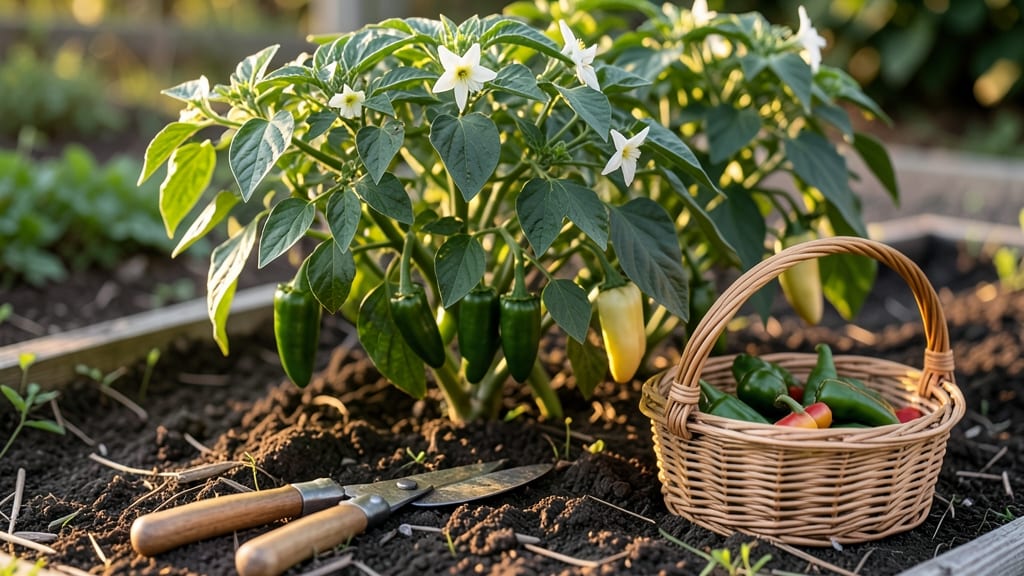
To pick jalapeño peppers at their peak flavor, watch for the 60–75-day mark after planting when they shift from green to deeper hues—this is the window that separates bland from bold.
I’ve picked jalapeños too early, only to end up with watery, underripe peppers that fizzle in salsa, and too late, turning them rubbery and bitter. The difference? Color cues you can spot in seconds.
Green jalapeños are edible but milder and firmer; the real flavor kicks in when they turn light green, yellow, red, or purple. Below, I’ll break down the exact shades to look for and when to snip them for maximum heat and sweetness.
You’ll also learn how to test ripeness beyond color—because even the right shade can fool you if the pepper isn’t quite ready. Let’s get those perfect peppers on your plate.


Jalapeño pepper color stages: when green means not quite ready
Your jalapeño peppers might look ready when they're still bright green, but that’s often the biggest harvest mistake gardeners make. The color shift from immature green to mature green (or beyond) signals when these peppers hit peak flavor and heat.
Understanding these jalapeño color stages ensures you don’t miss the sweet spot between underripe and overripe.
Most gardeners focus on the final red or yellow stages, but the real magic happens during the break stage—that moment when peppers transition from solid green to their mature hue.
Missing this stage means sacrificing bold flavor and optimal heat levels. Let’s break down what each color means for your harvest timing.
| Stage | Color Description | Heat Level | Flavor Profile | Harvest Time |
|---|---|---|---|---|
| Immature Green | Bright, glossy green | Mild (2,500–5,000 SHU) | Grassy, underdeveloped | Not ready |
| Break Stage | Light green with color shifts (yellow/red/purple spots) | Moderate (5,000–8,000 SHU) | Balanced, slightly sweet | Ideal harvest window |
| Mature Green | Deep, matte green (no gloss) | Peak (8,000–10,000 SHU) | Rich, complex | Still harvestable |
| Red/Yellow/Purple | Solid red, yellow, or purple | Slightly lower (6,000–9,000 SHU) | Sweet, fruity | Late harvest (best for storage) |
The break stage is where jalapeños go from grassy and underripe to their flavorful prime. This is when you’ll see the first hints of yellow, red, or purple near the stem—often overlooked by beginners.
Peppers in this stage are 3–5 inches long and slightly softer than their immature green counterparts.
Harvesting at the break stage delivers the best heat-to-flavor ratio. If you wait for full color change, you might sacrifice some boldness in heat (red jalapeños are slightly milder).
For maximum spice, pick when the pepper is still mostly green but shows color shifts—this is the sweet spot for fresh eating or pickling.
Mature green jalapeños (deep, matte green) are still harvestable and pack peak heat levels. These are perfect for sautéing or grilling where you want intense flavor without the sweetness of red peppers. The key difference? Mature greens lose their gloss and feel slightly softer when gently squeezed.
If you wait for full red or yellow, your peppers will be sweeter but slightly less spicy. This stage is ideal if you’re fermenting or storing peppers long-term, as the sugars develop further.
However, red jalapeños are more prone to softening or cracking, so harvest them promptly once they reach full color.
Pro tip: Check for stem separation—a ripe jalapeño’s stem should snaps easily when twisted (not pulled). This is your final cue that the pepper is ready, regardless of color. Combine this with the color stage for foolproof timing.
Climate matters too! In hotter regions, jalapeños may skip the green stage entirely and go straight to red. In cooler climates, they might stay green longer. Always prioritize color shifts over strict color rules—your peppers will thank you with bold, consistent flavor.
Next time you’re debating whether your jalapeños are ready, look for the break stage first. It’s the secret to turning your garden’s fiery gems into flavorful, heat-packed harvests every time. 🌶️
How to test jalapeño ripeness beyond color: 3 tactile tricks
Color alone isn’t always enough to judge a jalapeño pepper’s ripeness. You might miss the peak flavor or harvest too late when peppers become rubbery. Instead, use these three tactile tests to confirm ripeness before picking.
These tricks help you avoid underripe peppers with mild heat or overripe ones that lose their bright flavor.
First, focus on the skin’s firmness. A ripe jalapeño should feel firm but yield slightly when you press your thumb against it. Imagine pressing a ripe avocado—just enough to leave a faint indentation.
If the skin feels rock-hard, it’s not ready yet. If it’s too soft or mushy, it’s past its prime and may have bitter undertones.
⚠️ Visual Element: Numbered-Highlights ⚠️
Next, examine the seeds inside. Slice open a jalapeño to check their color and texture. Ripe seeds should be white and plump, almost like tiny pearls. If the seeds are brown, shriveled, or discolored, the pepper has passed its ideal harvest window.
This test is especially useful for green jalapeños, where color alone can be misleading.
Finally, test the stem’s separation. Gently twist the pepper at its base. A ripe jalapeño’s stem should snap cleanly with minimal resistance, almost like a dry twig. If the stem resists or tears, the pepper isn’t ready.
Conversely, if the stem feels mushy or the pepper detaches with a wet sound, it’s overripe and may spoil quickly.
Ignoring these tactile cues can lead to flavor sacrifices. Underripe jalapeños lack complexity and heat, while overripe ones develop a bitter, mealy texture. By combining these tricks with color clues, you’ll harvest jalapeños at their peak flavor and heat, ensuring every bite packs a punch.
Pro tip: Test a few peppers from your plant to find the sweet spot for your climate. Some varieties ripen faster in hotter regions, while cooler areas may need a little extra time. Keep a harvest journal to track what works best in your garden! 🌱