
Pests
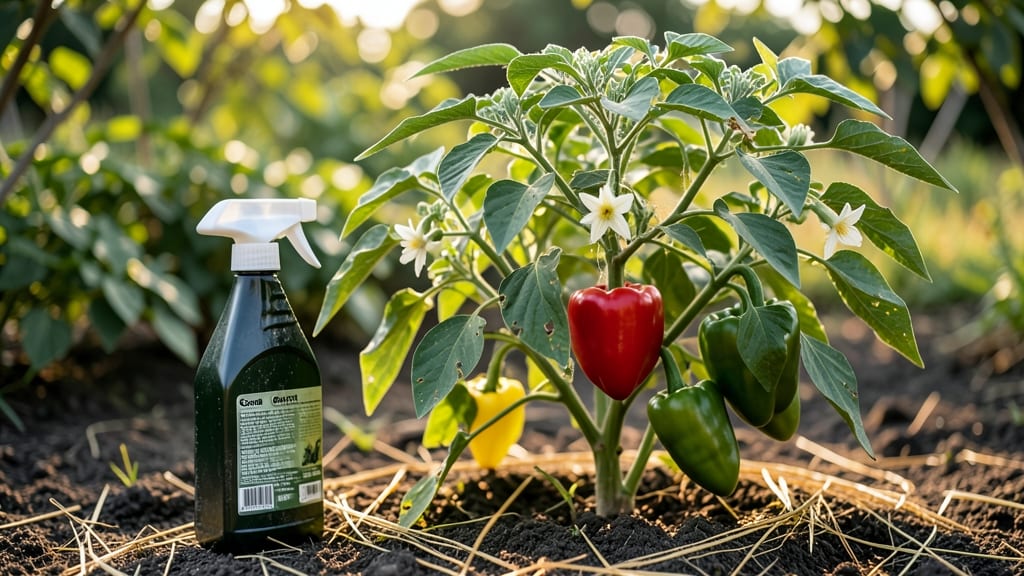
Sweet pepper pests can turn your thriving 🌶️ crop into a battleground before you even notice the damage.
Sweet peppers are a gardener’s pride—until pests strike. Identifying early warning signs of infestation can save your crop before damage becomes irreversible. That tiny hole in a leaf or the webbing between stems might seem harmless, but they’re the first whispers of a full-blown crisis.
From aphids to hornworms, these tiny invaders don’t just nibble—they steal nutrients, spread disease, and leave your plants struggling to produce. The key to saving your harvest? Spotting their early signs and acting fast.
In this guide, I’ll walk you through the most common sweet pepper pests, how to inspect your plants for hidden trouble, and the best organic and chemical solutions to keep your 🌶️ garden thriving all season long.
Top 5 sweet pepper pests and their first visual warning signs
Sweet peppers are a gardener’s pride—until pests strike. The key to protecting your crop lies in recognizing early warning signs before damage spreads. Most gardeners miss these subtle clues, allowing infestations to grow unchecked.
I’ve seen aphids turn vibrant green leaves into sticky, curled messes in just days, while hornworms can devour entire plants overnight if left unchecked.
Catching pests early means less stress for your plants and more time enjoying those sweet, colorful peppers you’ve worked so hard to grow. The five most destructive pests—aphids, spider mites, hornworms, thrips, and flea beetles—each leave distinct visual clues before the damage becomes severe.
Learning these signs can mean the difference between a thriving harvest and a failed crop.
Here’s a breakdown of the first visual warning signs for each pest, so you can act fast before your sweet peppers suffer:
| Pest | Early Warning Signs | Where to Look | Action Needed |
|---|---|---|---|
| Aphids | Sticky residue (honeydew), curled leaves, tiny green/black clusters | Undersides of leaves, new growth tips | Spray with soapy water or introduce ladybugs |
| Spider Mites | Fine webbing, yellow stippling on leaves, tiny moving dots | Leaf undersides, stems, between leaves | Spray with neem oil or increase humidity |
| Hornworms | Large green caterpillars, chewed holes in leaves, black droppings | Leaves, stems, near flower buds | Handpick or use Bt spray (Bacillus thuringiensis) |
| Thrips | Silver streaks on leaves, tiny black specks, distorted buds | New growth, flower buds, leaf edges | Use blue sticky traps or insecticidal soap |
| Flea Beetles | Tiny holes in leaves, black specks (frass), wilting seedlings | Leaf surfaces, soil near plants | Cover seedlings with row fabric or use diatomaceous earth |
Aphids are often the first pests I spot on my sweet peppers. Their sticky honeydew is a dead giveaway—it looks like rain has dripped onto the leaves, leaving a shiny, tacky residue. If you notice this, check the undersides of leaves for tiny green or black clusters.
Aphids multiply rapidly, so act quickly by spraying a mix of water and mild dish soap or introducing ladybugs, which are natural predators.
Spider mites are sneaky because they thrive in hot, dry conditions. Look for fine webbing between leaves or tiny yellow dots where they’ve punctured the leaf surface. Unlike aphids, spider mites are almost invisible to the naked eye, so use a magnifying glass to inspect leaf undersides.
Increasing humidity around your plants or applying neem oil can help control them before they spin webs across your entire plant.
Hornworms are the heavy hitters of sweet pepper pests. These large green caterpillars can strip a plant bare in a single night. The first sign is usually chewed leaves with jagged edges, followed by black droppings on the soil below.
I’ve lost entire plants to hornworms before I caught them—always check the top and bottom of leaves during evening inspections. Handpicking is effective, but Bt spray is a safer organic option.
Thrips are tiny but devastating. They leave silver streaks on leaves and distort flower buds, making them hard to recognize at first. Look closely at new growth and flower clusters for these tiny black specks.
Blue sticky traps can help monitor their presence, and insecticidal soap or neem oil can reduce their numbers before they spread.
Flea beetles are another early-season pest. They create tiny holes in leaves, which can mimic nutrient deficiencies if you’re not paying attention. Check seedlings closely for black specks (their frass) and wilting.
Covering young plants with row fabric or using diatomaceous earth around the base can deter them before they cause significant damage.
Early detection is your best defense. Spend 10 minutes daily inspecting your sweet peppers, focusing on the undersides of leaves, stems, and new growth. The sooner you spot these pests, the easier it is to protect your crop. Remember, a little prevention now saves hours of cleanup later!
How to inspect sweet pepper plants for hidden pest activity
Catching hidden pest activity on sweet pepper plants early means the difference between a thriving harvest and lost produce. Many pests—like aphids or spider mites—start small, hiding in hard-to-see spots before causing visible damage. The key is a methodical inspection at the right times of day.
Morning inspections are ideal because pests like hornworms and pepper maggots are most active at dawn, making them easier to spot. Avoid inspecting after watering, as wet foliage can obscure signs like tiny eggs or chewed leaf edges.
Grab a magnifying glass and a flashlight for better visibility in shaded areas.
Use a magnifying glass to spot aphid colonies, spider mite webbing, or tiny eggs along leaf veins. Focus on younger leaves first, as pests often target them.
Look for chewing damage or frass (insect droppings). Pepper maggots often hide near the base of plants, so gently part the foliage to inspect.
Turn over the top 1-2 inches of soil to check for larvae or pupae. Flea beetles and cutworms often hide here during the day.
Place yellow sticky traps at plant height to catch whiteflies or thrips. Check traps every 2-3 days for signs of activity.
Gently shake foliage over a white cloth to dislodge hidden pests like mealybugs or scale insects. This also helps spot early signs of infestation like tiny crawling insects.
Don’t overlook the flower clusters or fruit, as pests like hornworms often feed here. If you spot silver streaks on leaves, it’s a sign of thrips activity. Early detection lets you act fast—whether with neem oil sprays or handpicking pests.
Make inspections part of your weekly routine, especially during peak pest seasons (late spring to early summer). The more consistent you are, the less likely pests will take over your sweet peppers before you notice them.
🌿