
Picking
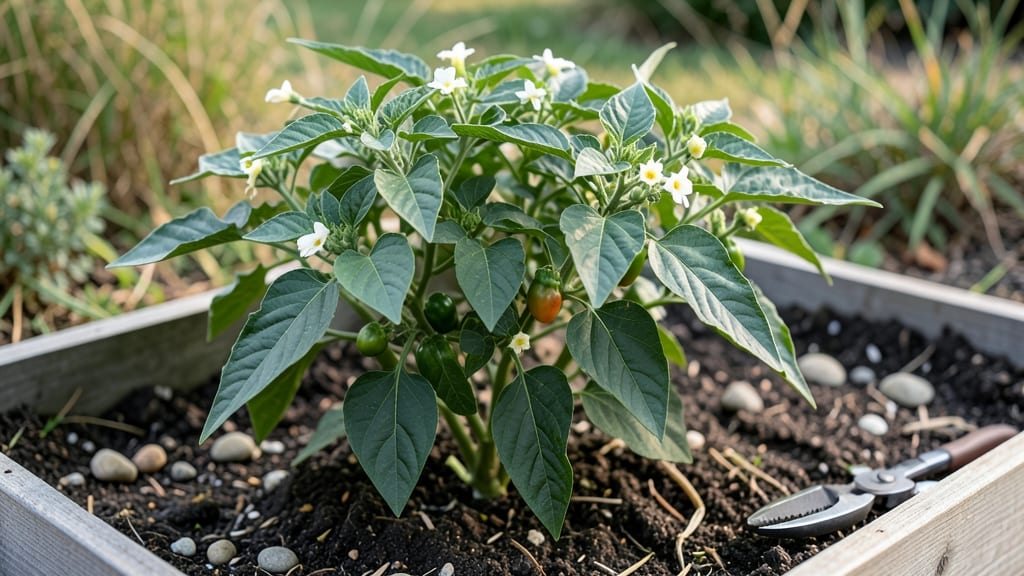
Growing Early Jalapeño peppers in just 45 days feels like cheating—until you learn the tricks that make it possible. 🌱 I’ve grown these fiery little peppers for years, and the secret isn’t just patience—it’s timing, warmth, and a few sneaky shortcuts that cut weeks off the usual schedule.
Most gardeners wait months for heat, but with the right approach, you’ll be snipping peppers by early summer instead of late fall.
The fastest results start with fast-germination soil (70°F or warmer) and a clear plastic dome over seeds to trap heat. Skip the fancy setups—just use a seedling heat mat ($15) and keep lights 12 inches away until sprouts emerge.
Once they’re 4 inches tall, transplant them into 5-gallon containers or garden beds with full sun (6+ hours daily)—no compromise here. The key? Consistent moisture (not soggy soil) and a balanced fertilizer every 2 weeks after flowering.
By mid-July, you’ll have bright green peppers ready to harvest, and they’ll keep producing until frost. The first batch might be small, but each plant gives 20-30 peppers—enough for salsas, pickling, or sharing with neighbors who’ll beg for your secrets.
And yes, you can grow them in pots on a balcony if space is tight, as long as you pick the right variety.
Troubleshooting is half the fun: Slow germination? Try soaking seeds overnight. Dropping peppers? Boost calcium with crushed eggshells. Pests? A neem oil spray keeps aphids away without killing pollinators. The beauty of Early Jalapeños? They’re forgiving—even if you mess up, you’ll still get a harvest faster than most peppers.
📚 In This Guide
- What you need
- Instructions
- Tips and common mistakes
- Wrapping up and next steps
What you need
- ● Early Jalapeno Seeds: 10–20 seeds (opt for organic, non-GMO seeds for best results).
- ● Seed Starting Mix: 2–3 bags (sterile, peat-based or coco coir blend).
- ● Biodegradable Seedling Pots or Trays: 2–3 inch pots (or a seedling tray with cell inserts).
- ● Grow Lights or Sunny Windowsill: LED grow lights (12–16 hours/day) or a south-facing window with 6+ hours of sunlight.
- ● Fertilizer: Balanced liquid fertilizer (5-5-5 or 10-10-10 NPK ratio) or organic options like fish emulsion or compost tea.
- ● Transplanting Supplies: Garden soil or potting mix (well-draining, amended with compost).
- ● 5-gallon containers or raised beds (if not planting directly in the ground).
- ○ Slow-release fertilizer (optional but recommended for faster growth).
- ● Basic Gardening Tools: Small trowel or transplanting knife.
- ● Spray bottle (for misting seedlings).
- ● Pruning shears (for trimming later).
- ○ Optional (But Helpful!) Extras: Heat mat (to keep soil warm, especially for early starts).
- ● pH testing kit (ideal soil pH: 6.0–7.0).
- ● Row covers or cloches (to protect seedlings from pests or cold).
- ● Trellis or stakes (for supporting vines as plants mature).
- ● Prerequisites: Access to water (consistent moisture is key!).
- ● Warmth (jalapenos thrive in temperatures 70–90°F; avoid frost!).
- ● Patience (but trust us—45 days is fast for peppers!).
Step-by-step instructions for growing Early Jalapeño peppers
Here's how I get fiery harvests in under two months—no waiting around for slow germination or weak plants.
🌱 Step 1: Pre-Soak Seeds for Faster Germination
Fill a small bowl with lukewarm water and add your jalapeño seeds. Let them soak for 12-24 hours—this softens the seed coat and triggers faster sprouting. I like to use a fine mesh bag so they don’t float away. You’ll see them plump up noticeably, which means they’re ready to break ground.
After soaking, drain the seeds and pat them dry with a paper towel. This prevents mold while keeping them hydrated. The goal is to start them 2-3 weeks before your last frost date, so don’t skip this step—it cuts germination time in half. I’ve seen seeds sprout in just 3-5 days when pre-soaked, compared to the usual 10-14 days.
💧 Step 2: Plant in Warm, Moist Soil
Use a lightweight seed-starting mix—jalapeños hate soggy roots. Fill small pots (about 2-3 inches deep) halfway, then moisten the soil until it’s damp but not dripping. Press one seed ½ inch deep into the soil, then cover it lightly with more mix. Gently firm the soil around it to secure the seed without compacting.
Place the pots in a warm spot—jalapeños need soil temps of at least 75°F to germinate. A seedling heat mat works wonders here. Keep the soil consistently moist by misting lightly every 1-2 days—you’ll know it’s right when the surface feels damp but not wet. Within 3-7 days, you’ll see tiny sprouts pushing through the soil.
☀️ Step 3: Provide Bright Light Immediately
The moment those first leaves appear, move the seedlings under grow lights or to a south-facing window. Jalapeños need 12-14 hours of light daily to grow strong and compact. If you notice the stems stretching toward the light (called "legginess"), your light source is too far away—adjust it to within 4-6 inches of the plants.
Rotate the pots a quarter turn every few days so they grow straight instead of leaning. You’ll see the difference in just a week—thick stems and vibrant green leaves mean your peppers are on the fast track. Avoid cold drafts, as jalapeños are sensitive to temperature drops below 60°F.
⏰ Step 4: Harden Off Before Transplanting
About 2 weeks before your last frost date, start hardening off your seedlings. Place them outside in a sheltered spot for 1-2 hours the first day, gradually increasing their time outdoors over 7-10 days. This toughens them up so they can handle the real world. By the time they’re ready to go in the ground, they’ll be ready for full sun and wind exposure.
Transplant on a cloudy day or late afternoon to reduce stress. Bury the seedlings slightly deeper than they were in pots—this encourages stronger root growth. Keep the soil moist but not soggy for the first 2 weeks after transplanting. You’ll see new growth within 5-7 days, and that’s your sign they’re thriving.
🌿 Step 5: Fertilize and Support for Fast Harvests
Once your jalapeños are in the ground, feed them with a balanced fertilizer (like 10-10-10) every 3-4 weeks. They’re heavy feeders, so don’t skimp—this is how you get those 45-day harvests. I also add a handful of compost around the base to keep nutrients flowing. Watch for the first flowers to appear—this is when you know you’re on track for a quick harvest.
If your plants are tall and top-heavy, stake them early to prevent falling over. You’ll see peppers forming in as little as 30-45 days after transplanting, depending on your climate. The key is consistency—keep the soil moist, the sun shining, and the nutrients coming, and you’ll have a fiery harvest before you know it.
Tips & tricks for perfect Early Jalapeño growth
These insider tricks will help you bypass common pitfalls and get those fiery peppers in record time.
Soaking Science: The 12-24 hour soak isn't just about speed—it's about breaking dormancy. After soaking, place your seeds between damp paper towels in a sealed bag for 24 hours. This creates a humid environment that mimics spring rains, often triggering sprouts in just 3-5 days instead of the usual 10-14 days. Pro move: Use a clear bag so you can watch the magic happen without opening it to check.
Temperature Control: Jalapeños are tropical babies—75°F soil temperature is their sweet spot for germination. If your home runs cooler, place pots on a heating pad set to low or nestle them in a warm spot near your fridge (but not too close—they hate temperature swings). For extra insurance, wrap pots in a plastic bag to trap heat while maintaining humidity. Watch for condensation on the inside of the bag—this means you've got the moisture balance just right.
Light Strategy: Those 12-14 hours of light aren't just about duration—they're about intensity. If using grow lights, position them 4-6 inches from seedlings and use full-spectrum bulbs. I've seen leggy seedlings transform into stocky plants overnight when I swapped out dim overhead lights for targeted grow lights. Rotate pots daily to prevent leaning, and if you notice leaves turning pale yellow, you're either overwatering or the light is too strong—move them back an inch.
Transplant Timing: The 2-week hardening off period is your secret weapon against transplant shock. Start with just 1-2 hours of outdoor time on day one, then increase by 30 minutes daily. I like to do this in the late afternoon when temps are cooler—jalapeños appreciate the gradual transition. By day 7, they should be handling full sun for 4-6 hours. Watch for wilting as your signal to bring them back inside temporarily.
Pro Tips for Pepper Early Jalapeno
- These insider tricks will help you bypass common pitfalls and get those fiery peppers in record time.
- Soaking Science: The 12-24 hour soak isn't just about speed—it's about breaking dormancy.
- Temperature Control: Jalapeños are tropical babies—75°F soil temperature is their sweet spot for germination.
Frequently asked questions
Got questions about growing Early Jalapeño peppers? You’re not alone! Here are answers to the most common queries to help you crush that 45-day harvest goal.
How do I speed up germination for Early Jalapeño seeds?
Soak seeds in warm water for 4–6 hours before planting to kickstart germination. Use a seedling heat mat (75–85°F) and keep soil moist but not soggy. With these tricks, you’ll see sprouts in 7–10 days—not the usual 2–3 weeks!
Can I plant Early Jalapeños outside too early in spring?
Nope! Wait until after the last frost when soil temps hit 60°F+. Early Jalapeños are frost-sensitive—planting too soon risks stunted growth or death. Use row covers if nights are chilly (50°F+) to protect young plants.
What’s the best alternative if my Early Jalapeños bolt before fruiting?
Try ‘Early Jalapeño’ hybrids like ‘Early Jalapeño M’ (disease-resistant) or ‘Jalapeño M’ (shorter plants). For heat tolerance, swap in ‘Lunchbox’ or ‘Poblano’—they handle stress better. If bolting happens, harvest seeds for next year’s longer-day plants!
Why are my Early Jalapeños turning yellow or bitter?
Yellowing leaves? Likely overwatering or nutrient deficiency (add compost or a balanced fertilizer). Bitter peppers? Too much sun (>90°F) or lack of water. Try shade cloth in peak heat and water deeply 1–2x/week. Prune lower leaves to improve airflow too!
How do I pick Early Jalapeños at the perfect spice level?
Harvest when peppers are 3–5 inches long and still firm for mild heat (2,500–5,000 SHU). Wait until they turn red for max spice (8,000+ SHU). Use pruning shears to avoid bruising—never pull! For consistent flavor, pick regularly to encourage more peppers.
Still stumped? Drop your question in the comments—we’ve got your back!
Wrapping up and next steps
Growing pepper Early Jalapeno is a rewarding journey that delivers bold flavor in just 45 days—perfect for impatient gardeners! With the right soil, warmth, and care, you’ll enjoy a bountiful harvest of fiery peppers to spice up everything from salsas to homemade hot sauce. 🌱
Ready to turn your garden (or balcony!) into a pepper paradise? Start by gathering your supplies, then dive in with confidence. Your first harvest could be just weeks away—what will you cook first?