
Pests and Diseases
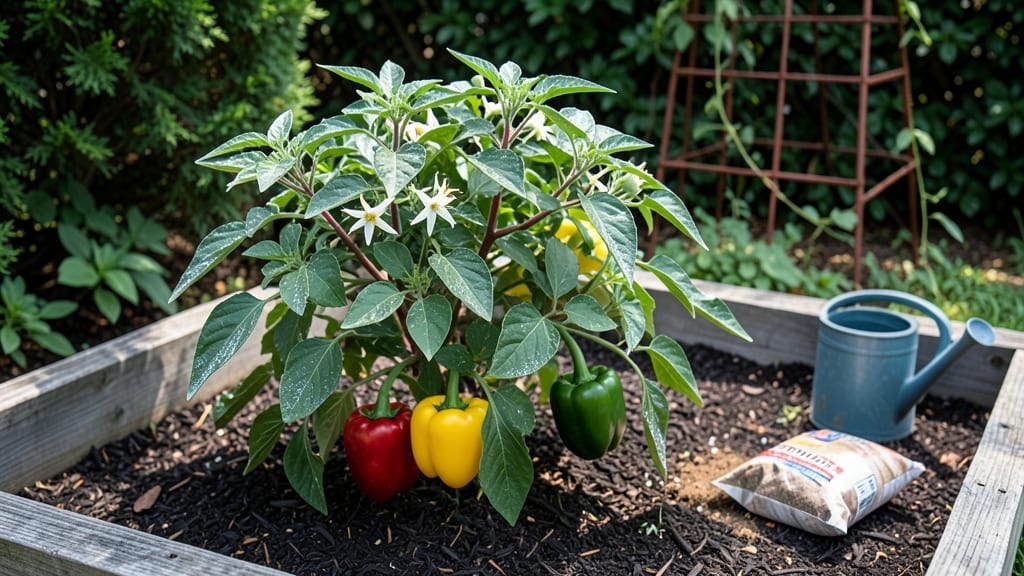
Pepper leaves turning white is the last thing you want after months of nurturing your plants. 🌱 I’ve seen this happen after a single rainy week, and the good news is it’s usually fixable—if you act fast.
The culprit is often powdery mildew, but it could also be nutrient stress or even overwatering. The key is identifying the root cause before the white fuzz spreads to every leaf.
Most gardeners assume it’s just a fungal infection, but I’ve found that magnesium deficiency (look for yellowing between veins) or excess moisture (check for soggy soil) can mimic mildew.
The first step is to isolate affected plants to stop the spread, then rinse leaves with a neem oil solution (1 tsp per quart of water) or baking soda spray (1 tbsp baking soda + 1 tsp soap per gallon).
For nutrient issues, a balanced fertilizer with extra magnesium works wonders.
Within 3-5 days, you’ll see improvement if the problem is mildew—leaves will green up and new growth will stay clean. If the white patches persist or turn brown, it might be time to prune the worst stems and consider a copper fungicide for stubborn cases.
The goal is to save your peppers before the blight ruins your harvest.
Prevention is easier than treatment: space plants for airflow, avoid overhead watering, and rotate crops yearly. If your garden is humid or shaded, reflective mulch can help reduce moisture on leaves. Trust me, fixing this early means full, healthy peppers by summer—no white leaves in sight!
Root Causes Of White Leaf Spots
When your pepper plants start showing white patches or powdery coatings, it’s rarely a coincidence—these symptoms almost always stem from specific environmental stresses or microbial invaders. Understanding the why behind the problem is the first step to stopping it in its tracks.
Below, we break down the most common culprits, their science-backed mechanisms, and how they trigger that telltale white discoloration.
Fungal diseases are the #1 cause of white leaf spots on peppers, and they thrive in warm, humid conditions—making home gardens a perfect breeding ground. Two fungi stand out:
- **Powdery Mildew (Erysiphe cichoracearum or Leveillula taurica) This fungus forms a white, powdery film on leaves, blocking sunlight and stunting growth.
It spreads via windborne spores and prefers: - Poor air circulation (crowded plants, dense foliage) - High humidity (60%+ relative humidity for prolonged periods) - Mild temperatures** (60–80°F, though it can tolerate heat if humidity is high) How it works: The fungus penetrates leaf surfaces through haustoria (root-like structures), sucking out nutrients and releasing toxins that trigger necrotic (dead) spots surrounded by white mycelium.
- **Downy Mildew (Pseudoperonospora tabacina) Unlike powdery mildew, downy mildew causes white, fuzzy patches on the undersides of leaves (often yellowing or browning on top).
It’s worse in: - Cool, wet conditions (55–75°F with leaf wetness) - Overhead watering** (splashes spores onto leaves) How it works: The fungus produces zoospores in water films, which infect stomata (leaf pores). Infected cells collapse, leading to chlorosis (yellowing) and white fungal growth.
💡 Pro Tip: If you see white powder on top + yellowing, it’s likely powdery mildew. If the white appears only on the underside with top-side browning, downy mildew is the culprit.
Bacterial infections (like Xanthomonas campestris pv. vesicatoria) cause white, water-soaked spots that turn yellow or brown with white borders.
Unlike fungi, bacteria: - Spread via water splashes (rain, irrigation, tools). - Thrive in warm, wet conditions (75–95°F). - Produce slime layers that make spots appear glossy or milky-white. How it works: Bacteria enter through wounds or stomata, multiplying rapidly.
They secrete enzymes that break down leaf tissues, creating necrotic lesions with white edges.
⚠️ Warning: Bacterial infections are harder to cure than fungal ones—prevention (sterilized tools, proper spacing) is key.
Viruses like Tobacco Mosaic Virus (TMV) or Cucumber Mosaic Virus (CMV) can cause mosaic patterns (light/dark green patches) or white, necrotic spots.
They’re spread by: - Sap-sucking insects (aphids, thrips). - Contaminated tools or hands. - Seedborne transmission. How it works: Viruses hijack plant cells, disrupting chlorophyll production and causing white or yellow lesions as cells die. Unlike fungi/bacteria, viruses cannot be treated—only managed by removing infected plants.
Not all white spots are biological. Physical damage or extreme conditions can mimic disease symptoms:
- Salt or Chemical Burn Over-fertilizing (especially with high-sodium fertilizers) or using harsh pesticides can cause white, crispy patches as cells dehydrate. How it works: Excess salts disrupt osmosis, pulling water out of cells and causing necrosis (cell death).
- Hail or Wind Damage Physical trauma exposes inner leaf tissues, which may bleach out to white as they dry.
- Water Stress (Over/Under)
- Overwatering: Leads to root rot and oxygen deprivation, causing white, mushy spots.
- Underwatering: Triggers chlorosis (yellowing) and white, brittle edges as cells collapse.
While rare, magnesium or calcium deficiencies can cause white spotting:
- Magnesium deficiency: Leads to interveinal chlorosis (white/yellow patches between veins).
- Calcium deficiency: Causes blossom-end rot-like symptoms on leaves (white, dead tissue).
🔥 Quick Fix: Test soil pH (ideal: 6.0–6.8) and amend with Epsom salt (magnesium) or crushed eggshells (calcium).
Some pests indirectly cause white spots by:
- Aphids/Spider Mites: Inject toxins that trigger white, stippled patterns or silvering of leaves.
- Whiteflies: Their honeydew attracts sooty mold (black fungus), but their feeding can also cause white, crinkled leaf areas.
🎯 Action Step: Inspect leaf undersides for pests—if you see webbing, tiny bugs, or sticky residue, treat with neem oil or insecticidal soap.
Quick Fixes for Pepper Blight
When your pepper plants start showing white, powdery patches, acting fast is key to saving your harvest. Below are practical, step-by-step solutions tailored to the most common causes—fungal infections, environmental stress, or pest damage—along with prevention tips to keep your plants thriving.
If the white fuzz is powdery (like flour dust) or fuzzy (with yellow spots underneath), you’re likely dealing with a fungal blight. These thrive in humid, low-light conditions and can spread rapidly.
🔥 Immediate Treatment Steps
- Prune Infected Leaves 🪒
- Use sterilized scissors (wipe with rubbing alcohol) to snip off white-covered leaves.
- Dispose of them in the trash (not compost)—fungi can survive in soil.
- Apply Fungicide (Organic or Chemical) 💊 - Neem Oil Solution (natural fungicide): - Mix 1 tsp neem oil + 1 tsp mild soap + 1 quart water.
Spray early morning or late evening (avoid direct sun). - Reapply every 7–10 days until new growth appears. - Baking Soda Spray (budget-friendly): - Combine 1 tbsp baking soda + 1 tsp oil + 1 gallon water.
Spray under leaves too. - Copper-Based Fungicides (for severe cases): - Follow label instructions—these are highly effective but use sparingly.
- Improve Airflow 🌬️
- Space plants 12–18 inches apart to reduce humidity buildup.
- Remove nearby weeds or debris that trap moisture.
- If growing in containers, thin out crowded foliage.
- Adjust Watering Habits 💧
- Water at the base (not overhead) to keep leaves dry.
- Water early in the day so foliage dries by night.
- Avoid drip irrigation if mildew is present—switch to soaker hoses.
💡 Prevention Tips
- Rotate crops—don’t plant peppers in the same spot yearly.
- Plant resistant varieties like ‘Aristotle’ or ‘Carmen’ (less prone to mildew).
- Use reflective mulch (like aluminum foil) to reduce humidity near plants.
If the white appearance is dry, crispy, or bleached (not fuzzy), your peppers may be suffering from heat stress, frost, or sunscald.
🍳 Quick Recovery Steps
- Shade from Harsh Sun ☀️
- If leaves are white and papery, they may be sunburned.
- Use shade cloth (30–50%) for 2–3 weeks to let leaves recover.
- Avoid midday sun exposure during extreme heat.
- Adjust Watering for Temperature Shifts ❄️🔥
- Heat stress? Water deeply 2–3 times per week (morning only).
- Cold damage? Mulch with straw or grass clippings to insulate roots.
- Frost risk? Cover plants with frost blankets at night.
- Fertilize Gently 🌱
- Over-fertilizing (especially with nitrogen) weakens plants in heat.
- Switch to a balanced 10-10-10 fertilizer or compost tea for recovery.
🎯 Long-Term Prevention
- Choose heat-tolerant varieties like ‘Jalapeño M’ or ‘Cayenne’.
- Hardening off seedlings gradually before transplanting.
- Monitor weather forecasts—avoid transplanting in sudden temperature drops.
If the white is tiny moving specks or sticky residue, pests like spider mites or whiteflies are likely sucking plant sap, causing leaves to turn white and crispy.
👨🍳 Pest Control Steps
- Blast Off Pests with Water 💦
- Use a strong hose spray to knock off mites/whiteflies from under leaves.
- Introduce Beneficial Insects 🐞
- Ladybugs (eat whiteflies) or predatory mites (control spider mites).
- Buy from garden centers or release in the evening (they hide during the day).
- Apply Insecticidal Soap or Oil 🧼
- Mix 1.5 tbsp insecticidal soap + 1 quart water and spray directly on pests.
- Repeat every 5–7 days until pests disappear.
- Use Yellow Sticky Traps 🎯
- Hang yellow cards near plants—whiteflies are attracted to them.
✨ Prevention Tips
- Inspect new plants before bringing them indoors.
- Avoid over-fertilizing (weak plants attract pests).
- Encourage natural predators by planting dill, fennel, or marigolds nearby.
If fungus spreads despite treatments or leaves continue wilting, consider:
- Replacing severely infected plants (fungus can persist in soil).
- Testing soil pH (fungi thrive in acidic soil—aim for 6.0–6.8).
- Consulting a local extension office for regional pest/disease advice.
Frequently asked questions about pepper leaves turning white
Why do my pepper leaves turn white in patches but not all over?
This usually indicates a localized issue like powdery mildew or nutrient deficiency. Mildew starts on older leaves first, while magnesium deficiency creates white/yellow patches between veins. Check for fuzzy white spots (mildew) or yellowing between leaf veins (nutrient issue).
Can I save my pepper plants if most leaves are already white?
It depends! For fungal infections, prune the worst leaves immediately and treat with neem oil or copper fungicide. If it's heat stress or pests, recovery is possible within 2-3 weeks with proper care. For severe cases, consider replanting healthy seedlings to prevent spread.
Is baking soda really effective for white pepper leaf spots?
Yes! A homemade baking soda spray (1 tbsp baking soda + 1 tsp oil + 1 gallon water) works well for early-stage powdery mildew. The alkaline solution disrupts fungal spores. Spray both sides of leaves in the evening for best results. Reapply every 7-10 days until new growth appears.
Why does my pepper plant have white spots but no powdery fuzz?
This could be sunscald, pest damage, or nutrient burn. Check for crispy white areas (sunscald), tiny moving dots (pests), or white edges (over-fertilizing). For sunscald, provide afternoon shade. For pests, use insecticidal soap. For nutrient issues, flush soil with water.
How can I prevent white leaf spots next growing season?
Start with crop rotation and resistant varieties like 'Aristotle' peppers. Improve airflow with proper spacing (12-18 inches apart) and use drip irrigation instead of overhead watering. Add reflective mulch to reduce humidity near plants.