
Planting
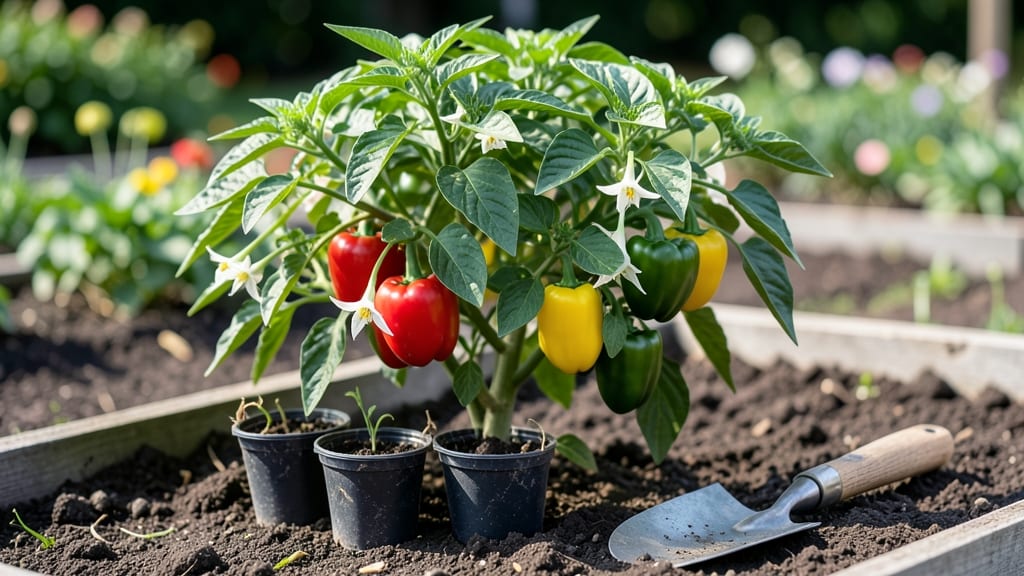
This pepper planting guide reveals how growing peppers on poles slashes harvest time to just 55 days—fresh peppers on your table when store-bought ones are still a distant dream. 🌱 I’ve grown everything from bell peppers to jalapeños this way, and the difference in yield and speed is night-and-day.
The secret starts with soil that’s warm, well-draining, and packed with compost, then moves to timing that matches your last frost date. Most beginners mess up spacing or watering, but pole training simplifies both.
You’ll use 3-foot-tall stakes or a trellis, giving plants room to climb while keeping foliage off the ground. Water at the base—not the leaves—and mulch to lock in moisture. Leggy seedlings? Move them deeper into soil (up to the first true leaves) to stabilize them without stress.
By day 55, you’ll be snipping ripe peppers straight off the vine, their glossy skins still warm from the sun. The plants stay productive for weeks, and you avoid the bending that comes with bush varieties. Even my black thumb can’t kill these when grown this way.
Works for any pepper type—sweet, hot, or hybrid—and adapts to containers or ground beds. Let’s get those seeds in the ground!
Root Causes of Pepper Struggles
Understanding why your pepper plants underperform—or fail entirely—starts with identifying the hidden forces at work. Whether you’re dealing with stunted growth, poor fruit set, or wilting leaves, these issues rarely appear out of nowhere.
Below, we break down the scientific triggers behind common pepper-planting problems, so you can diagnose and fix them with precision.
---
Peppers (Capsicum annuum and relatives) are tropical plants at heart, meaning they thrive in warmth but hate sudden temperature swings. Their ideal range is 70–85°F (21–29°C) during the day and 60–68°F (15–20°C) at night. Here’s why extremes sabotage growth:
- Cold Stress (Below 50°F / 10°C): - Cellular Damage: Chilly temps cause chlorophyll breakdown, turning leaves yellow (chlorosis) or brown (necrosis). The plant’s metabolic processes slow, halting nutrient uptake. - Root Freeze: Soil temps below 55°F (13°C) can kill roots, starving the plant of water and minerals.
Even a single night below 50°F (10°C) can stunt growth for weeks. - Blossom Drop: Peppers are highly sensitive to cold at flowering. Temperatures below 60°F (15°C) trigger ethylene gas production, causing buds to abort before fruiting.
- Heat Stress (Above 95°F / 35°C): - Pollination Failure: Bees and other pollinators avoid overheated flowers, leading to poor fruit set (even if flowers bloom).
Some varieties (like jalapeños) may self-pollinate poorly in extreme heat. - Water Stress: High temps increase transpiration (water loss), forcing roots to work overtime.
If soil moisture drops, leaves curl or scorch at the edges. - Sunburn: Young plants or those suddenly exposed to intense sunlight develop white or grayish patches on leaves—a sign of photodamage.
💡 Pro Tip: Use row covers for early spring/fall planting or shade cloth (30–50%) during peak summer to buffer temps. Mulch heavily (straw or black plastic) to keep soil temps stable.
---
Peppers are drought-tolerant but hate soggy feet. Watering issues disrupt nutrient uptake and root oxygenation, leading to a cascade of problems:
- Underwatering: - Root Shrinkage: Roots wither and die when soil dries out, reducing the plant’s ability to absorb water.
Symptoms include wilting, crispy leaf edges, and yellowing between veins. - Nutrient Lockout: Dry soil binds nutrients (like nitrogen and phosphorus) to particles, making them unavailable even if fertilizer is present. - Blossom End Rot (Indirectly): While calcium deficiency (from uneven watering) is the direct cause, stress from drought weakens cell walls, making peppers prone to rot.
- Overwatering: - Root Rot: Peppers rot in 3–5 days if roots sit in waterlogged soil.
Fungi like Phytophthora thrive in anaerobic (oxygen-free) conditions, cutting off nutrient flow. - Nutrient Leaching: Excess water flushes away essential minerals (potassium, magnesium) through the soil, leading to weak stems and poor fruit development. - Fungal Infections: Damp leaves create a perfect breeding ground for diseases like early blight or downy mildew, which clog stomata (leaf pores), choking the plant.
✨ Fix It: Water deeply 1–2 times per week (1–1.5 inches total) rather than daily shallow watering. Use drip irrigation or soaker hoses to deliver moisture directly to roots, avoiding leaf wetness.
---
Peppers are heavy feeders but pickier about soil than many veggies. Two key soil problems derail growth:
- pH Problems: - Too Acidic (Below 6.0): Peppers can’t absorb critical nutrients like phosphorus, calcium, and magnesium.
Symptoms include purple stems, weak growth, and blossom end rot. - Too Alkaline (Above 7.0): Iron, manganese, and zinc become locked in the soil, causing yellowing leaves (iron deficiency) or stunted plants. - Ideal Range: 6.0–6.8 pH.
Test your soil with a home kit or send a sample to a cooperative extension service for precise adjustments.
- Compacted or Poor-Draining Soil: - Root Suffocation: Clay-heavy or overworked soil lacks aeration, forcing roots to grow sideways instead of downward.
This leads to shallow root systems that can’t support tall plants. - Fertility Gaps: Soil with low organic matter (below 5%) retains fewer nutrients, causing leaf yellowing (nitrogen deficiency) or small, misshapen peppers (potassium deficiency).
🔥 Solution: Amend soil with compost (2–3 inches mixed in), perlite (for drainage), and wood ash (to raise pH slightly). For containers, use a well-draining potting mix (60% peat/compost, 30% perlite, 10% vermiculite).
--- Even the hardiest peppers crumble under attack from pests and pathogens. These are the top culprits:
- Aphids & Spider Mites: - Sap Sucking: These pests pierce leaves, draining sap and nutrients, causing stunted growth, curled leaves, and sticky residue (honeydew). - Virus Transmission: Aphids spread tobacco mosaic virus (TMV), which mottles leaves and deforms peppers, reducing yield by 50%+.
- Fungal Diseases (Early Blight, Powdery Mildew): - Leaf Blight: Alternaria solani (early blight) creates concentric rings on leaves, blocking sunlight and reducing photosynthesis by 30–50%. - Mildew: Erysiphe cichoracearum coats leaves in white powder, clogging stomata and causing wilting even when soil is moist.
- Root-Knot Nematodes: - Microscopic Worms: These burrow into roots, forming galls (lumpy growths) that strangle the plant’s water and nutrient uptake. Infested plants wilt suddenly even with adequate water.
🎯 Prevention: Rotate crops annually, use neem oil (for pests) or copper fungicide (for diseases), and plant resistant varieties (e.g., ‘Aristotle’ for blight resistance).
--- Peppers show stress fast when lacking key nutrients. Here’s how to spot the gaps:
| Symptom | Likely Deficiency | Quick Fix | |---------------------------|-----------------------|----------------------------------------| | Yellow leaves (oldest first) | Nitrogen (N) | Apply blood meal or compost tea | | Purple stems/leaves | Phosphorus (P) | Use bone meal or rock phosphate | | Brown leaf edges | Potassium (K) | Add wood ash or greensand | | Yellow veins, green leaf | Magnesium (Mg) | Spray Epsom salt solution (1 tbsp/gal) | | Blossom end rot | Calcium (Ca) | Side-dress with crushed eggshells or gypsum |
⚠️ Warning: Over-fertilizing (especially with nitrogen) can delay fruiting while promoting leafy but barren growth. Always follow package rates and water deeply after applying.
Quick Fixes for Pepper Plant Troubles
Growing pole-trained peppers is rewarding, but even the most experienced gardeners face challenges. Below, we’ve mapped out common issues with practical, step-by-step solutions—plus prevention tips to keep your plants thriving in 55 days or less.
---
Cause: Cold soil, old seeds, or improper moisture levels. Fix: - 🔥 Warm Up the Soil: Use a heat mat (70–85°F) or plant in biodegradable pots indoors under grow lights until soil warms. - 🍳 Soak Seeds Overnight: Place seeds in a damp paper towel for 12–24 hours before planting to kickstart germination. - 👨🍳 Plant Deeply: Bury seeds ½ inch deep in well-draining soil (mix in compost for nutrients).
Prevention: ✔ Test seed viability by floating seeds in water—sinkers are good, floaters are bad. ✔ Use fresh seeds (within 1–2 years) for faster sprouting.
---
Cause: Overwatering, nutrient deficiency, or fungal diseases (like damping off). Fix: - 🥘 Adjust Watering: Water at the base (not leaves) and ensure pots have drainage holes. Let soil dry slightly between waterings. - 🔪 Prune Damaged Leaves: Snip yellow or mushy leaves with sterilized scissors to prevent spread. - 🌡️ Boost Nutrients: Fertilize with a balanced 10-10-10 or compost tea every 2 weeks.
Prevention: ✔ Space plants 18–24 inches apart for airflow. ✔ Rotate crops annually to avoid soil-borne diseases.
---
Cause: Weak plants attract pests; crowded gardens spread them fast. Fix: - 💡 Spray Neem Oil: Mix 1 tbsp neem oil + 1 tsp mild soap in 1 quart water. Spray leaves (test on a small area first). - 🎯 Introduce Beneficial Insects: Ladybugs or lacewings devour pests naturally. - 🌿 Use Row Covers: Lightweight fabric shields keep bugs out without chemicals.
Prevention: ✔ Inspect plants weekly—catch pests early! ✔ Plant companion crops like basil or marigolds to repel insects.
---
Cause: Calcium deficiency from uneven watering or poor soil pH. Fix: - 🥗 Add Calcium: Sprinkle crushed eggshells or use a calcium nitrate solution (1 tbsp/gallon water). - 💪 Keep Soil Moist: Mulch with straw to retain humidity and prevent stress. - 🔄 Check pH: Aim for 6.0–6.8; amend soil with lime if too acidic.
Prevention: ✔ Water consistently—don’t let soil dry out completely. ✔ Test soil before planting (kits are cheap and save headaches).
---
Cause: Lack of light, overcrowding, or weak support. Fix: - ⏰ Move to Sun: Ensure 6–8 hours of direct sunlight daily (supplement with LED grow lights if indoors). - 🔥 Thin Seedlings: Keep only the strongest plant per pot; remove weak stems at the base. - 🌿 Install Trellises Early: Use soft ties to guide vines upward as they grow.
Prevention: ✔ Start with quality soil—mix in perlite for aeration. ✔ Fertilize lightly with phosphorus (e.g., bone meal) to encourage root growth.
--- Pro Tip: 🌟 For pole-trained peppers, prune side shoots (suckers) to direct energy to fruit production. Use sharp shears and sterilize them with rubbing alcohol between cuts!
--- Need a Quick Reference? | Problem | Fix | Prevent | |---------------------------|----------------------------------|----------------------------------| | Slow germination | Warm soil + seed soak | Use fresh seeds, test viability | | Yellow leaves | Adjust watering + prune | Improve airflow | | Pest attacks | Neem oil + beneficial insects | Plant companions | | Blossom end rot | Add calcium + mulch | Monitor soil moisture | | Stunted growth | More light + trellis support | Thin seedlings early |
Frequently asked questions
When should I start pepper seeds indoors vs. planting them directly outdoors?
Start seeds indoors 8-10 weeks before your last frost date for an early harvest. For most climates, this means mid-February to early March. Direct sow outdoors only after soil reaches 60°F (15°C) and nighttime temps stay above 50°F (10°C)—typically 2-3 weeks after your last frost. Pole-trained varieties benefit from early starts since they need time to climb.
How close together can I plant pepper varieties on a trellis?
Space pepper plants 12-18 inches apart along the trellis for good airflow. For bush varieties, use 18-24 inches spacing. When training on poles, stagger plants vertically by 6-12 inches to maximize sunlight exposure. Remember: Peppers need room to breathe—crowding invites fungal diseases and weakens fruit production.
Why are my pepper seedlings getting leggy and weak?
Leggy seedlings result from insufficient light or overcrowding. Move them to a sunny window or under grow lights (14-16 hours/day). If they've already stretched too tall, bury them deeper (up to first true leaves) when transplanting—they'll develop new roots along the stem. Thin to keep only the strongest seedlings to prevent competition for nutrients.
Can I grow different pepper varieties together on the same trellis?
Yes! Mixing varieties works well as long as they have similar growth habits. Pair fast-maturing types (like jalapeños) with slower growers (like bell peppers) to stagger harvests. Avoid combining extremely tall varieties with dwarf types—the height difference can create shading problems. Just ensure each plant has its own support ties to prevent competition for space on the trellis.
How do I know when my pole-trained peppers are ready to harvest?
For most peppers, harvest when they reach full color and firm texture. Sweet peppers should be glossy and crisp, while hot varieties develop their signature color (red, green, yellow, etc.). Gently twist or cut with pruning shears—never pull from the vine. Pole-trained peppers often ripen faster because of improved airflow. Harvest regularly to encourage more fruit production throughout the season!